
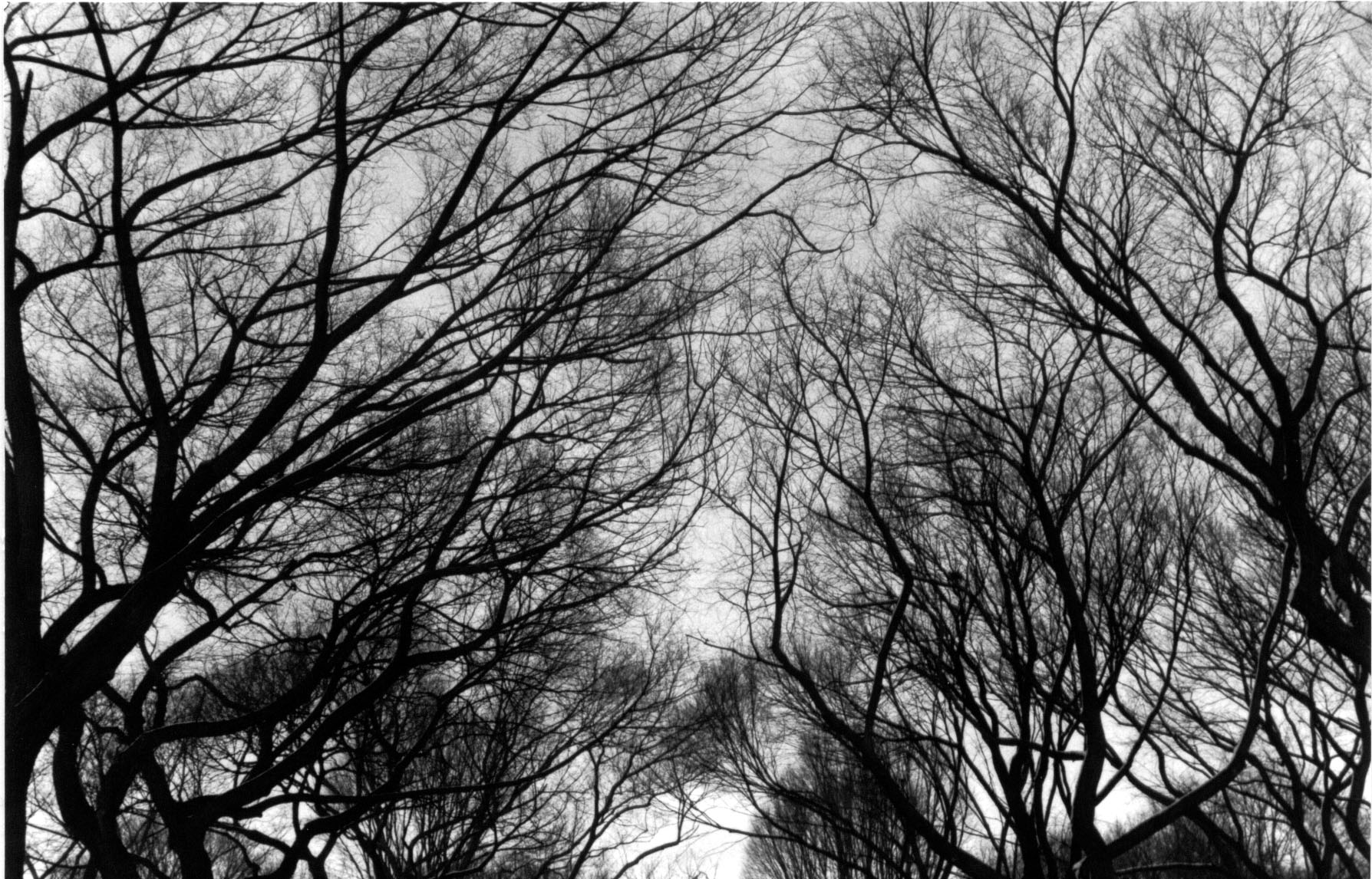
Last weekend, the New York Times ran an ode to the marvelous American elm in its winter splendor:
THEY looked, at first glance, like trees in a paint-by-number picture, snow outlining branches in idiot-proof chiaroscuro — a child’s “Winter Scene.” Yet as I stood in a recent wet snowstorm on 110th Street, looking down Fifth Avenue along Central Park, I saw that the elms flanking the sidewalk had an aspect in winter less observable in other seasons, when their branches are cloaked in leaves.
Joined overhead, the topmost limbs rose airily to form a long vaulted corridor stretching to 59th Street and the park’s southern perimeter. It was as if on this west side of Fifth Avenue there existed a chamber, a “tabernacle of the air,” to use a purplish phrase the 19th-century orator and abolitionist Henry Ward Beecher favored when describing groves of elm.
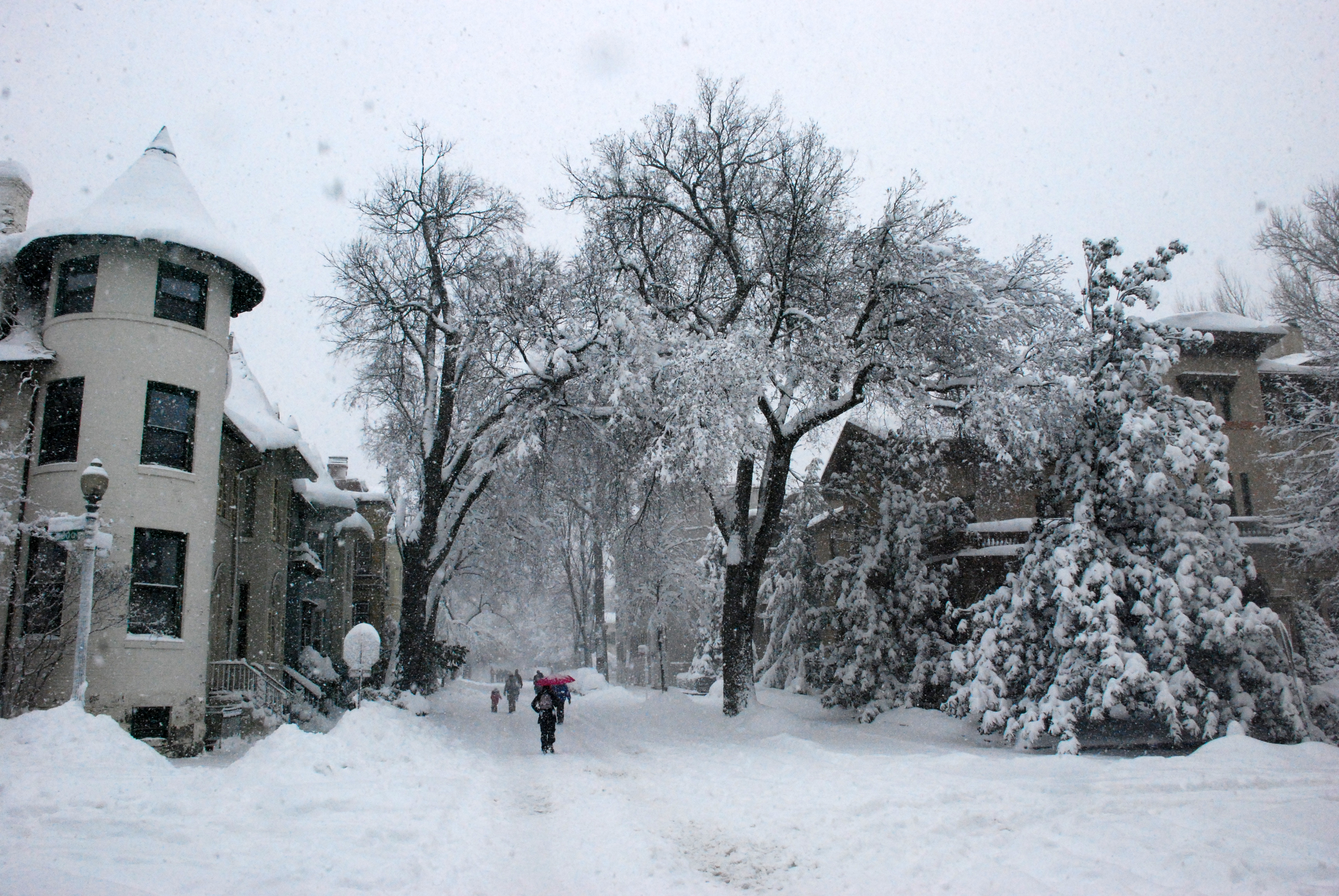
Trees are ordinarily most admired in spring blossom or summer abundance. But the striking architecture of the American elm is–as the Times piece notes–in most display in the depth of winter (particularly after a snow fall)
 .
.
As GM has mentioned before, Georgetown is blessed with its own “tabernacle of the air”. Q St. from Wisconsin to the bridge has dozens of mature and stately American elms. In the summer it makes the street much more tolerable to walk down. But maybe we ought to take the Times’ advice and pause in appreciation of the winterly elms as well.
So look up.







 The Georgetown Metropolitan
You must be logged in to post a comment.