From 1820 to 1837, a newspaper called the Georgetown Metropolitan was published in the city of Georgetown, DC. The copy above is from July 12, 1826, reporting on the deaths of Presidents Jefferson and Adams on July 4th, exactly fifty years after the signing of the Declaration of Independence. For a short while, it was published by John L. O’Sullivan and his brother-in-law Samuel Langtree. O’Sullivan faded into obscurity until the middle of the 20th century when the term “Manifest Destiny” was attributed to him.
So what does this have to do with 2008? Well, not much. But, basically I’ve realized that the neighborhood of Georgetown lacks a neighborhood blog. I’ve decided to give it a try. I looked through Georgetown’s history for a worthy name to resurrect and the Georgetown Metropolitan sounded perfect to me. And so I have reestablished the Georgetown Metropolitan, 171 years since it last was printed. With luck, the Georgetown Metropolitan will serve as a valuable information source for Georgetown residents.
Georgetown Main Street’s annual Fall Market is returning this weekend! The events will take place along Wisconsin Ave. from N St. up to Reservoir Rd. It will include over 34 businesses. And there will be an activity hub at the Chase Bank lot with pretzels, kettle corn and books!
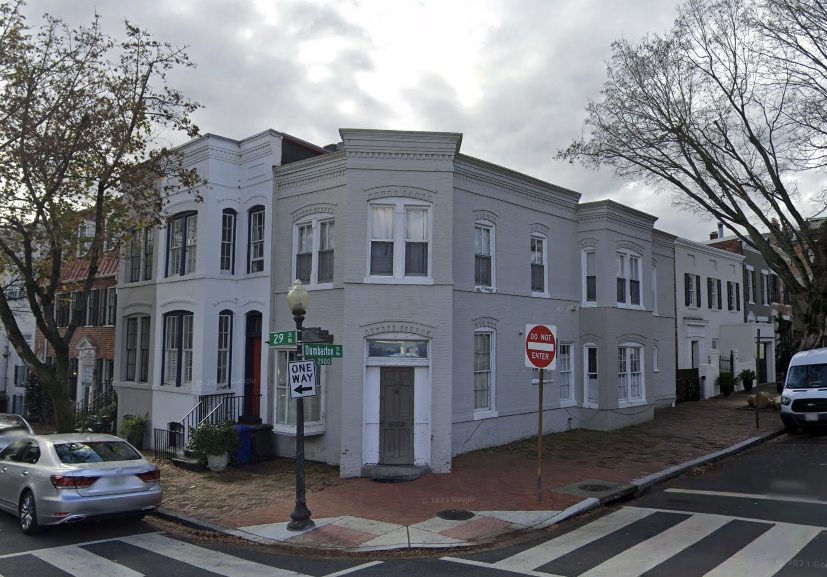
At our last ANC meeting, the house at 2900 Dumbarton St. came up for review. The owner is interested in converting it to several apartments. But what caught my eye about the property is that it is clearly another example of a former commercial building buried deep in the residential portions of Georgetown. I decided to resuscitate my long dormant series called Ghosts of Georgetown’s Market Past to dig into the history of the building!
But first: why did I instantly conclude that this was originally a commercial building? It’s due to the fact the door opens up horizontally on the corner. It is literally a corner shop. That almost always indicates that the building was constructed to host a shop on the first floor (often with the shop keeper living on the second). It’s also probably not a coincidence that the building is catty-corner to Scheele’s.
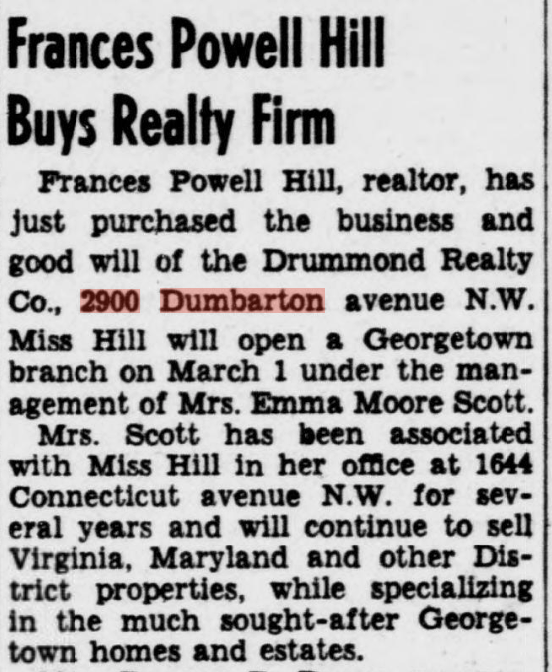
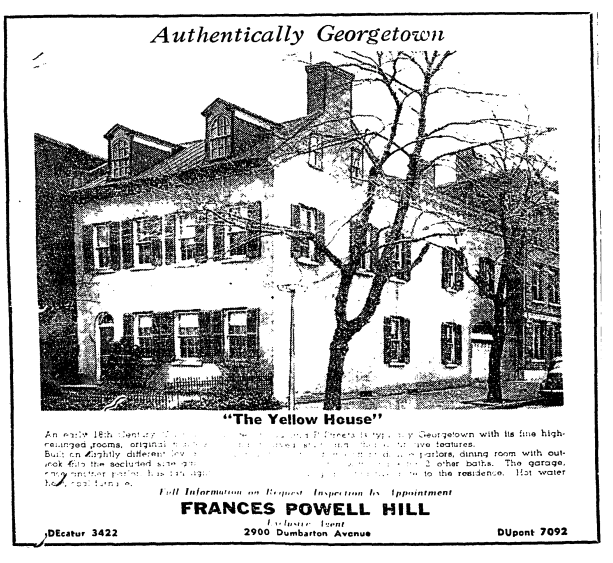
So I dove into the local newspaper archives to see what I could find. And right away I learned that while it was a commercial building, the business operating there was not a market. At least not during the period I could find evidence for. It was a real estate office:
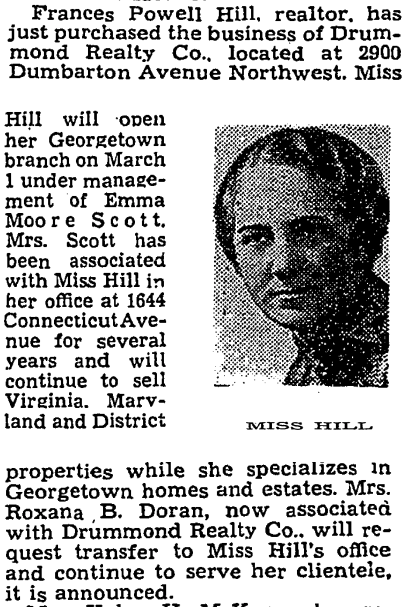
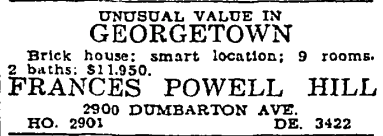
Here is another announcement:
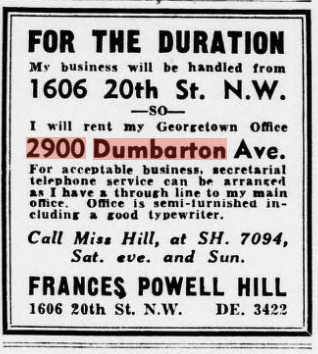
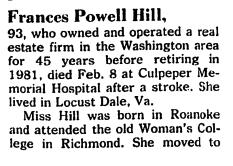
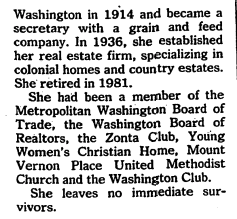
Hill bought the agency in 1942. I was able to find only a couple more ads listing this office’s address:
Perhaps the reason I only found a couple of ads using this office address is that Hill appears to have stopped using it only a year later:
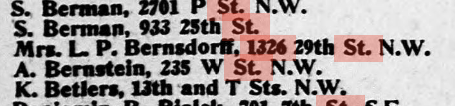
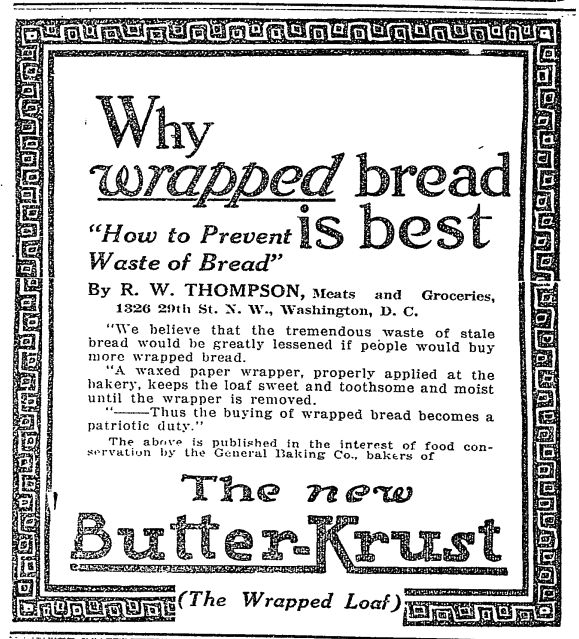
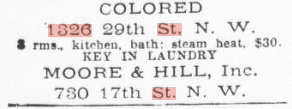
Oddly enough, I ran into a dead end trying to find older businesses at this address. But then I realized that Hill changed the address of the building. Previously it was 1326 29th St. Searching that address opened up the history. As I originally suspected, it did host a grocery store. At least as of 1918 when a Mrs. L.P. Bernsdorff operated a market there.
A year earlier it was apparently the R.W. Thompson grocery store:
But most of the hits I found for this property related to the rental apartment on the second story. And as this was near the hear of Georgetown’s Herring Hill district, the housing was used by Black families:
I could find no references to a commercial establishment at either address after the 1940s. So It appears the property was a grocery store in the early part of the 20th century, converted to a real estate office for a stretch around the 1940s, and then it either was used for an office or otherwise converted wholly to residential.
In honor of the Whitehurst turning 75 years old this week, I wanted to re-run an article I wrote exploring an old photo of the throughway when it drove over a much more industrial Georgetown waterfront.
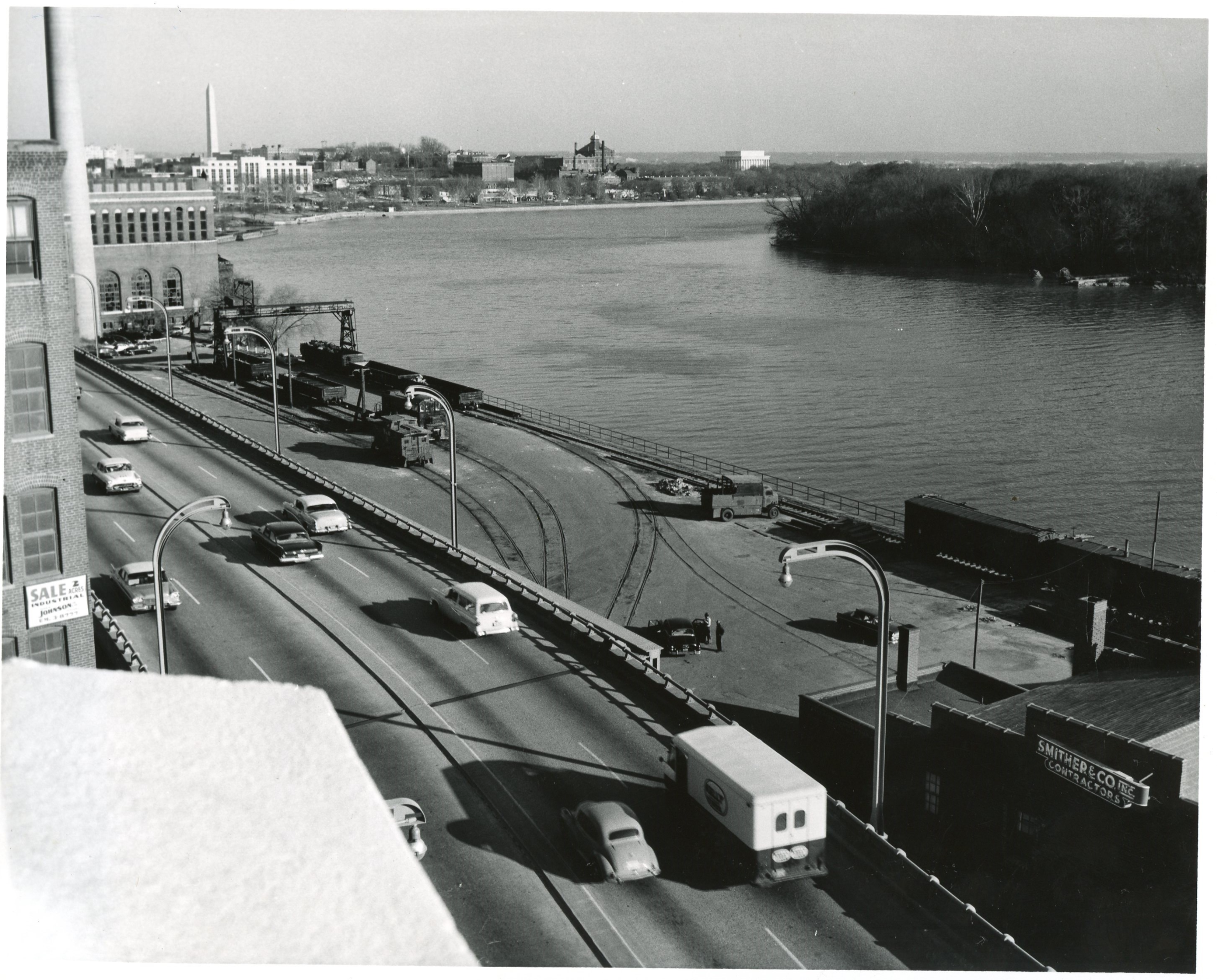
This week for the Georgetown Time Machine, GM visits this photo of a relatively young Whitehurst Freeway. Come check out what interesting scenes it contains.
The first question is of dating. The DDOT website does not list a date, so it will take a little sleuthing. First of all, the Whitehurst wasn’t built until 1949, so that’s the earliest point. In the distance, as discussed more below, the old Huerich Brewery still stands. That was demolished in 1961 to make way for the Roosevelt Bridge. Also, that large white building that’s in front of the Washington Monument is what is now the Saudi embassy. It was built in 1959. So this photo is from between 1959 and 1961.
The first striking thing about this photo is how the waterfront was a rail yard, there’s even a caboose down there:
The next most obvious it is the massive Capital Traction Power House, which looks a little worse for wear with so many windows smashed out:
The main reason it was smashed up is that it wasn’t in operation anymore. It stopped providing power for the streetcar system in 1933, and was decommissioned in 1944. It nonetheless sat an empty shell until it was demolished in 1968.
GM always laments its loss. It could have served as a wonderful civic space had it been preserved. Look at this interior:
Ah well…
As mentioned above, that noticeable white building in the upper left is what is now the Saudi embassy:
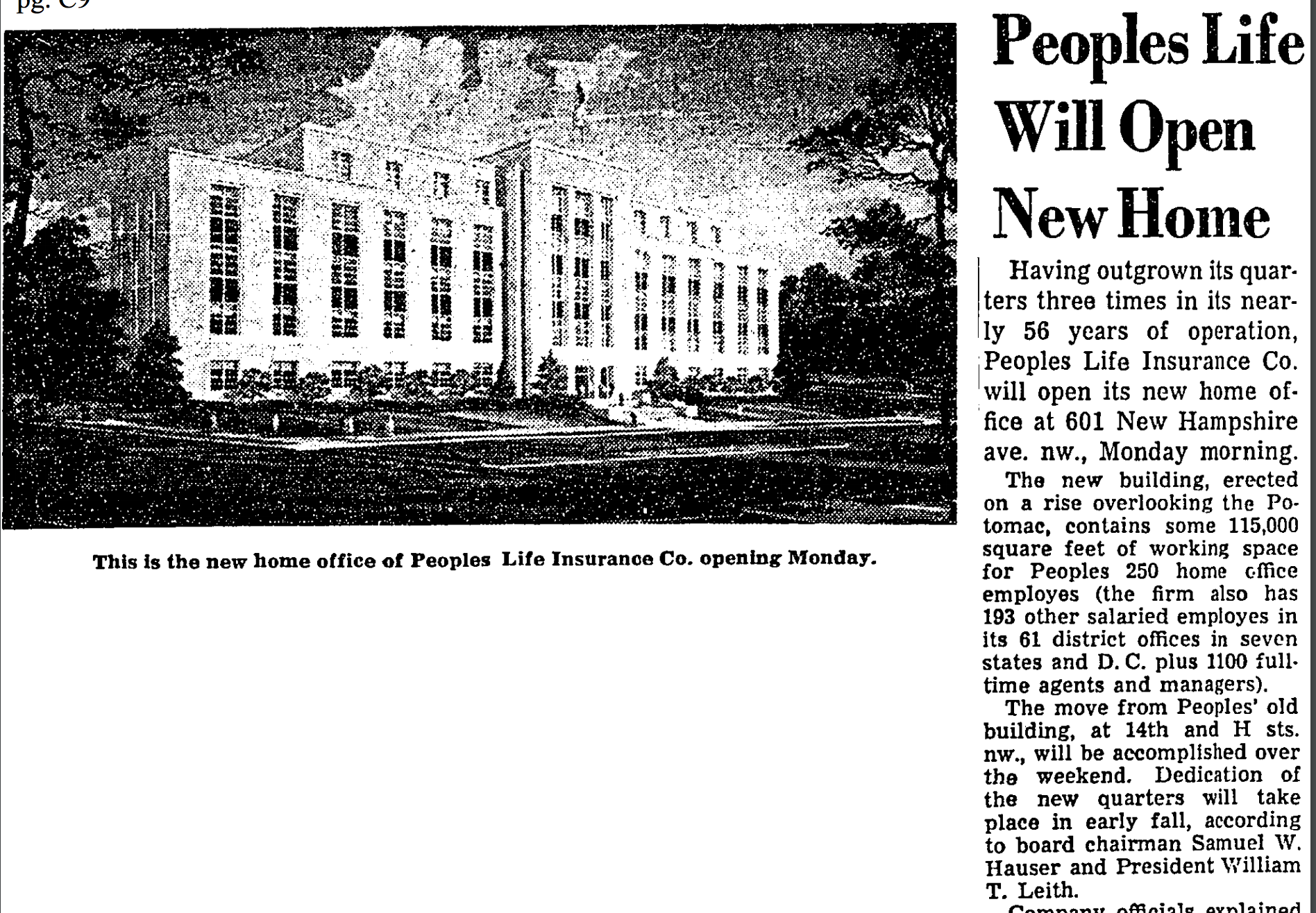
But it didn’t become the Saudi embassy until 1983. Before that it was the headquarters of the People’s Life Insurance Co., which constructed the building in 1959:
What you’ll also notice is that you can actually see this building from Georgetown, which you can’t do anymore. That’s because the Watergate isn’t in the way yet. That wasn’t built until 1964.
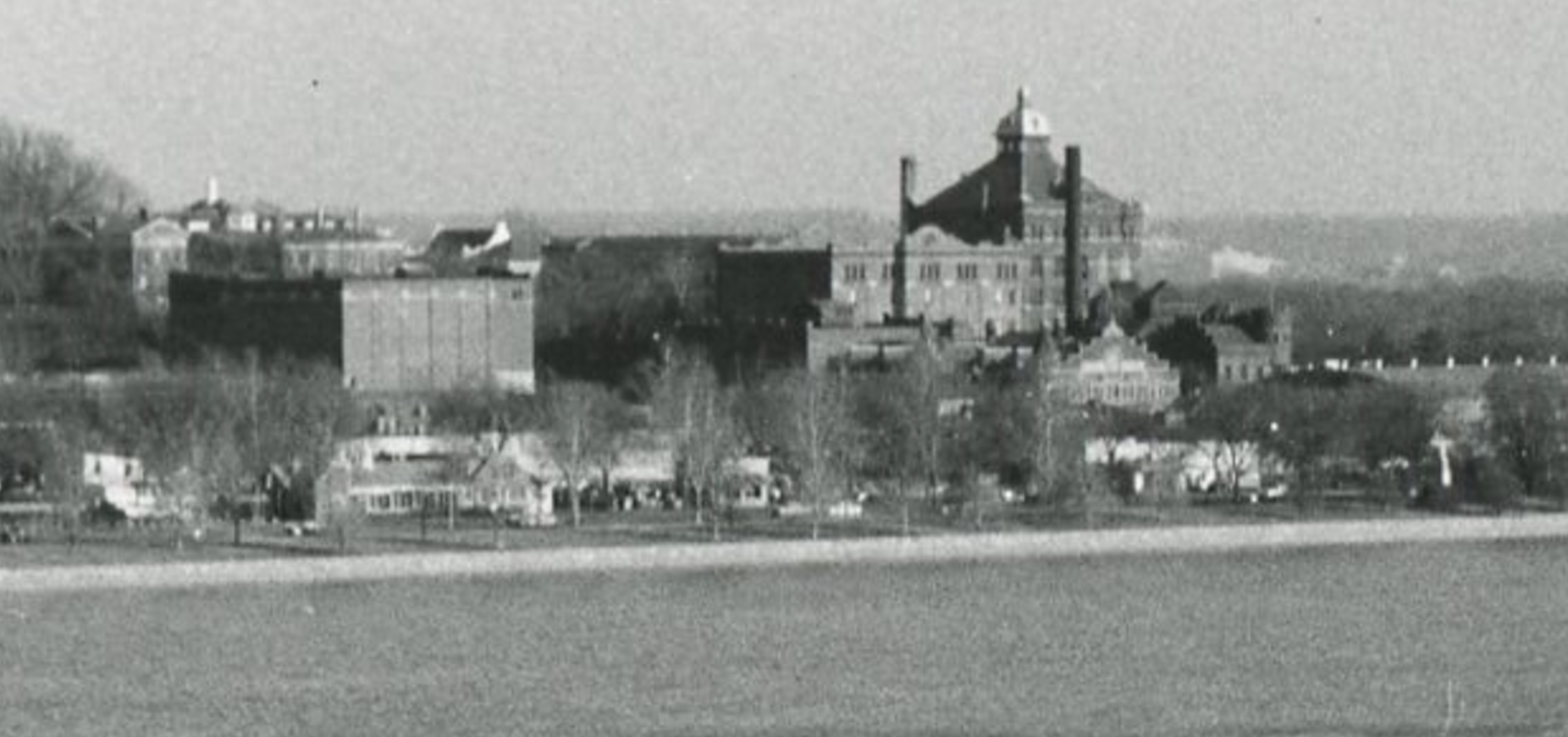
And finally, as mentioned above, the last significant structure to notice is the late, great Heurich Brewery:
Here’s a better view:
As also mentioned above, it was sadly demolished in 1961, which must have been just a couple years after the photo was taken.
There will be a used book sale at the Georgetown library later this month. Here are the details:
Thousands of donated books will be for sale the weekend of Oct. 19-20 at the Georgetown Neighborhood Library, 3260 R St. NW. Of special interest: 40 brand-new historical fiction and nonfiction books for seventh through ninth graders donated by a judge for a prestigious literary prize.
Saturday: Public admission 11am-4pm. Hardcovers $4, paperbacks $2.
Sunday: Admission 1-3pm. All books half-price or fill your shopping bag for $10.
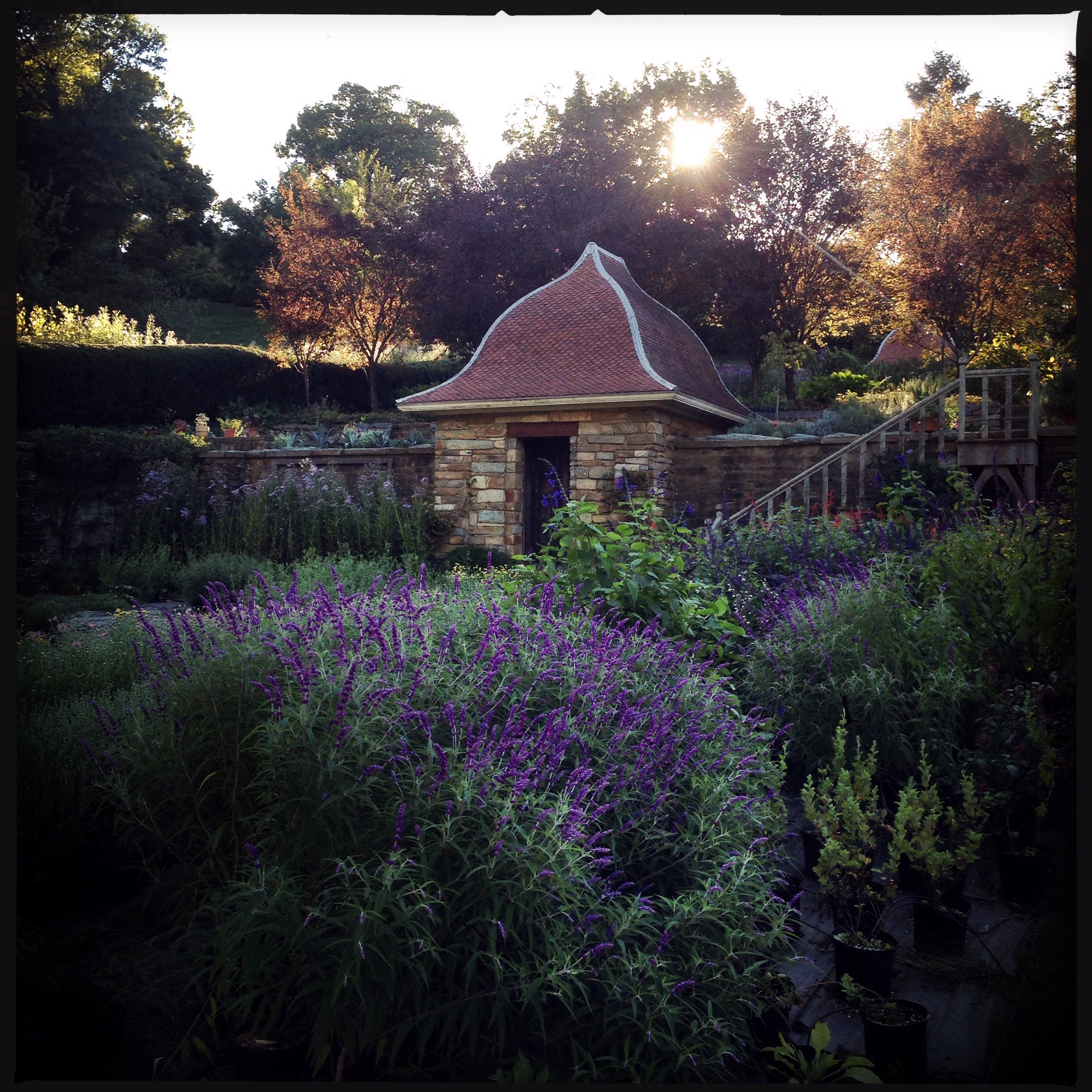
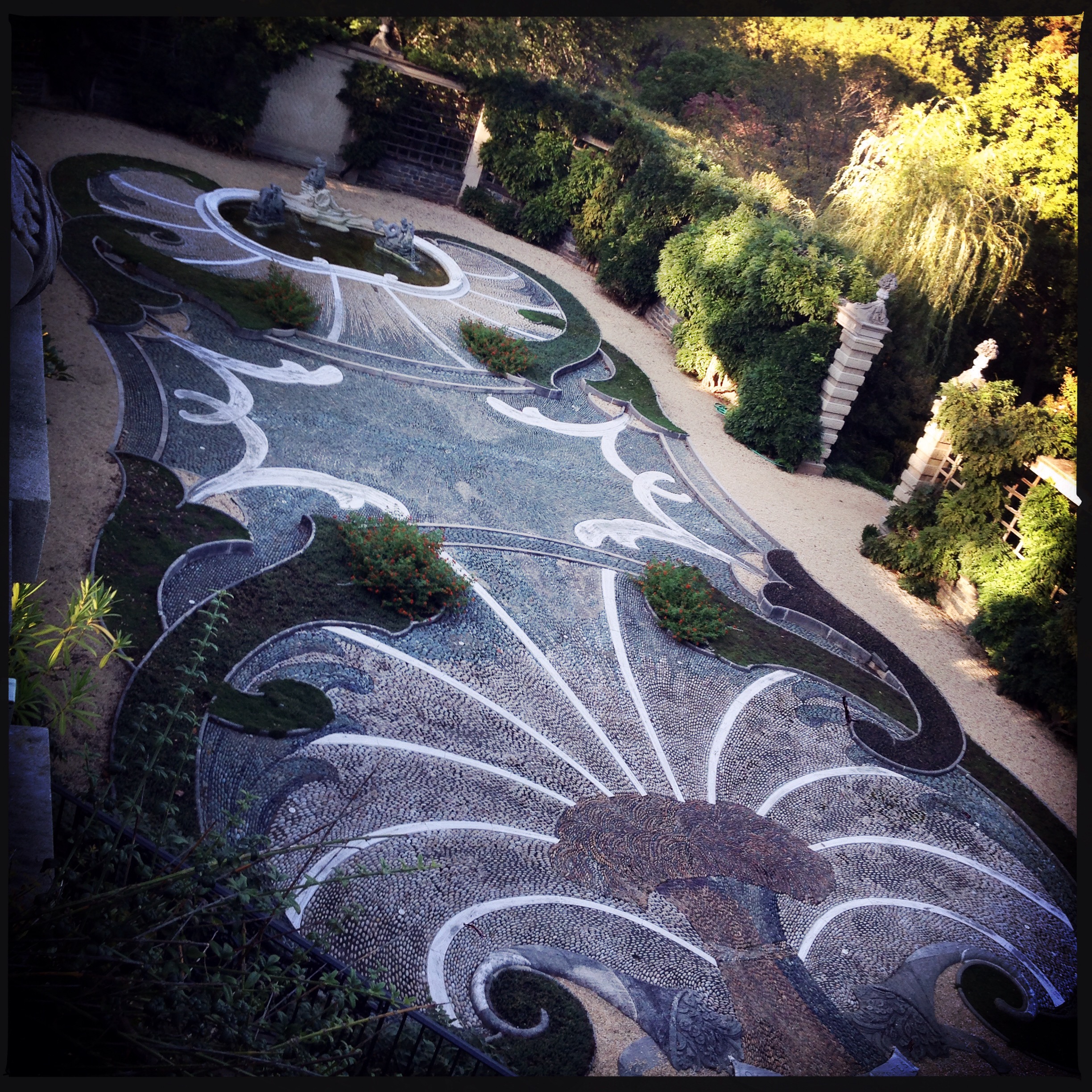
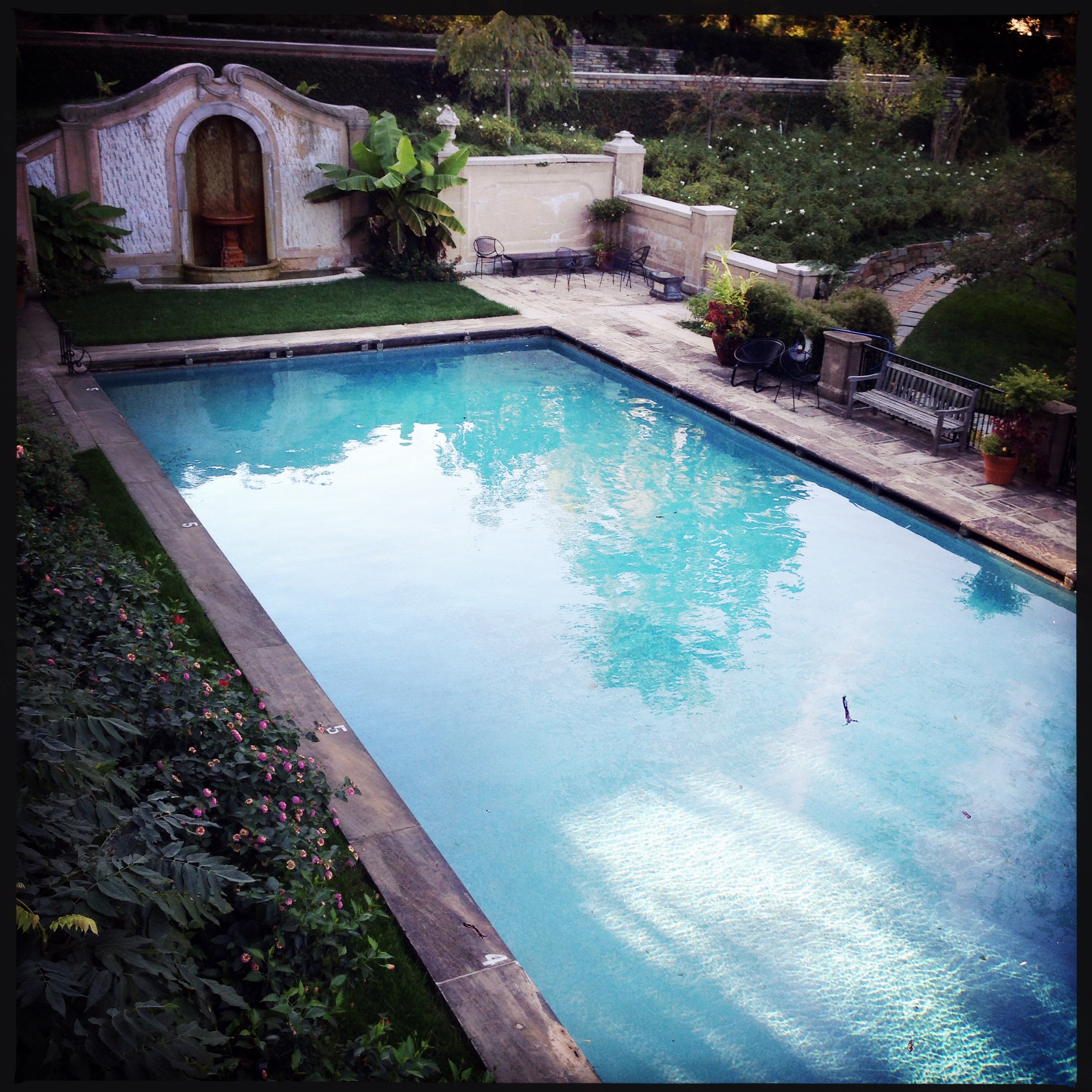
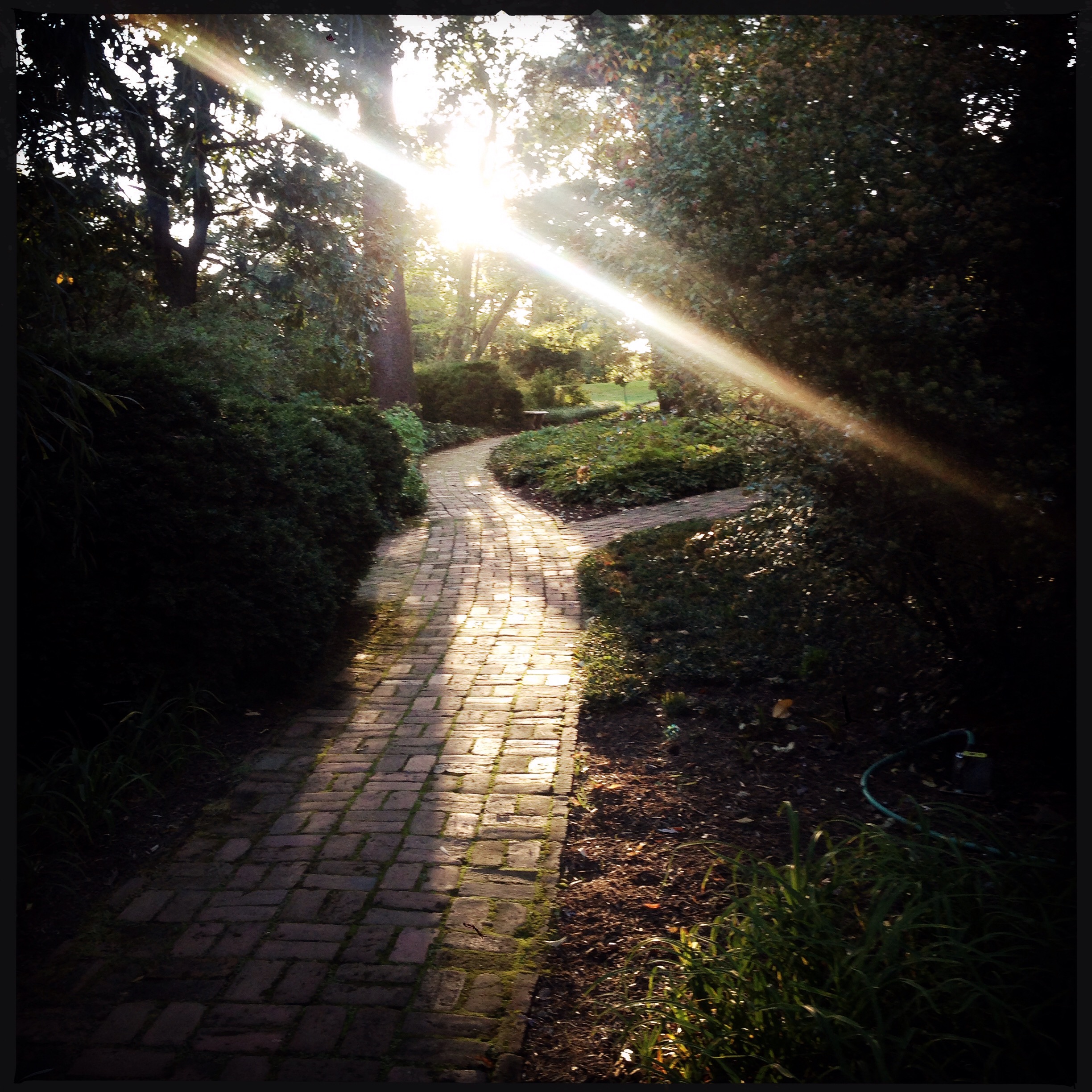
A lot of people know that Dumbarton Oaks is beautiful in the spring. But I like to to issue this annual reminder that it’s also quite lovely in the fall:
Dumbarton Oaks is well known for its spring displays of incredible seasonal bounties. But people often overlook how spectacular the acres of gardens are in the fall. Hurry up and catch it now before it’s gone.
But here’s just a taste. The wildflowers of the Herbaceous Border are breathtaking:
The rest of the garden is at that magical moment when the gardeners loosen their grips and the plants give off one more explosion before the winter:
Of course the rest of Dumbarton Oaks is also looking great:



















 The Georgetown Metropolitan

You must be logged in to post a comment.