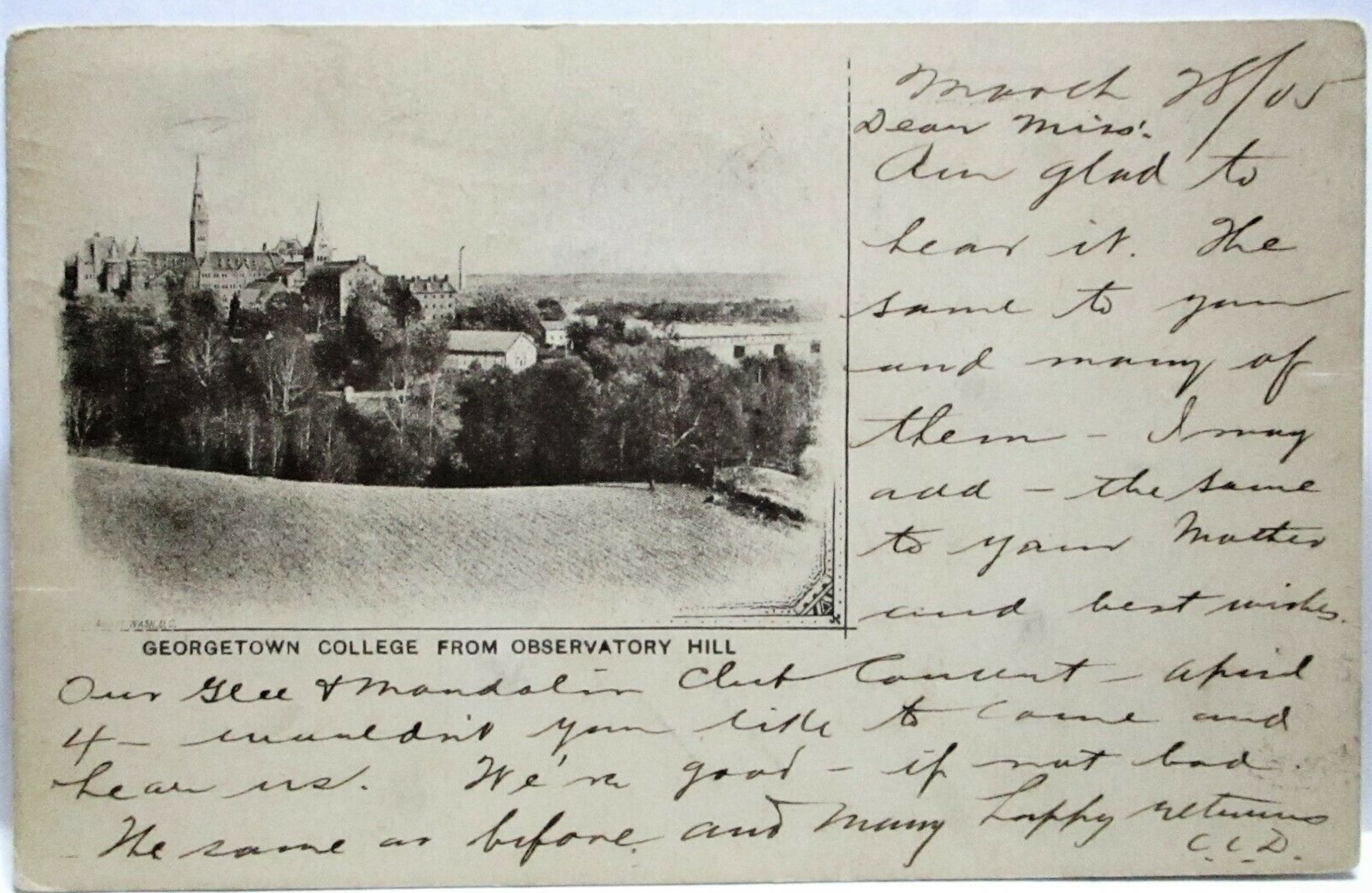
This particular postcard shows a scene of Georgetown College as viewed from Observatory Hill. You can see how much more rural the western half of the campus was at the turn of the last century.
The card itself was sent on March 28, 1905. It is addressed to Miss Nellie T. Downes of Brooklyn, NY. care of Edward Fearon. (Downes married Fearon shortly thereafter).
Curiously the sender of the postcard (who’s only identified with the initials “CCD”) tells Downes “Our Glee and Mandolin Club Concert – April 4 – Wouldn’t you like to come and hear us. We’re good-if not bad.”
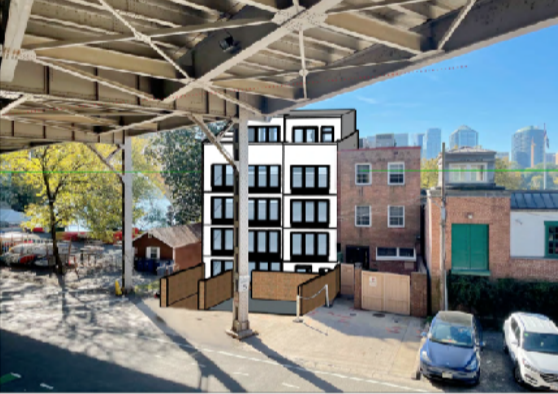
A developer submitted a plan for Old Georgetown Board review this month for two lots it owns along the waterfront, and boy are they shabby.
The lots–located at 3224 and 3226 Water St.–currently consist of two rowhouses built in the mid-20th century. They, along with a third next door, are unique properties in all of the District. They are the only single family homes that are truly waterfront. There are some apartment buildings, like Washington Harbour, that are technically on the water, but no other properties have private backyards that end with a shoreline.
And that uniqueness actually poses the greatest challenge for these lots. This land gets flooded. A lot. And it’s only going to get worse with rising oceans and climate change-driven extreme storms. There is no way you would be able today to build townhouses like the ones that occupy the site right now. You’d have to build in some significant flood-mitigation, like an unoccupied ground floor.
However, that’s not what the developer did. It submitted the plan with no such measures. The plan, as it is, calls for the construction of a 8 units apartment building. The rendering, however, makes it appear that the proposed five story building would only be about 8 feet taller than the third remaining townhouse. In reality, it would be about two stories taller.
Which is fine as far as GM is concerned. We need more housing in Georgetown and can’t keep letting obsessions about current viewsheds keep getting used to thwart all construction. (And in this case there would be literally no view being blocked.) But between the failure to address the floodplain and the ridiculously out-of-scale renderings, it seems fair to conclude that this developer is not up to the challenges this site presents.
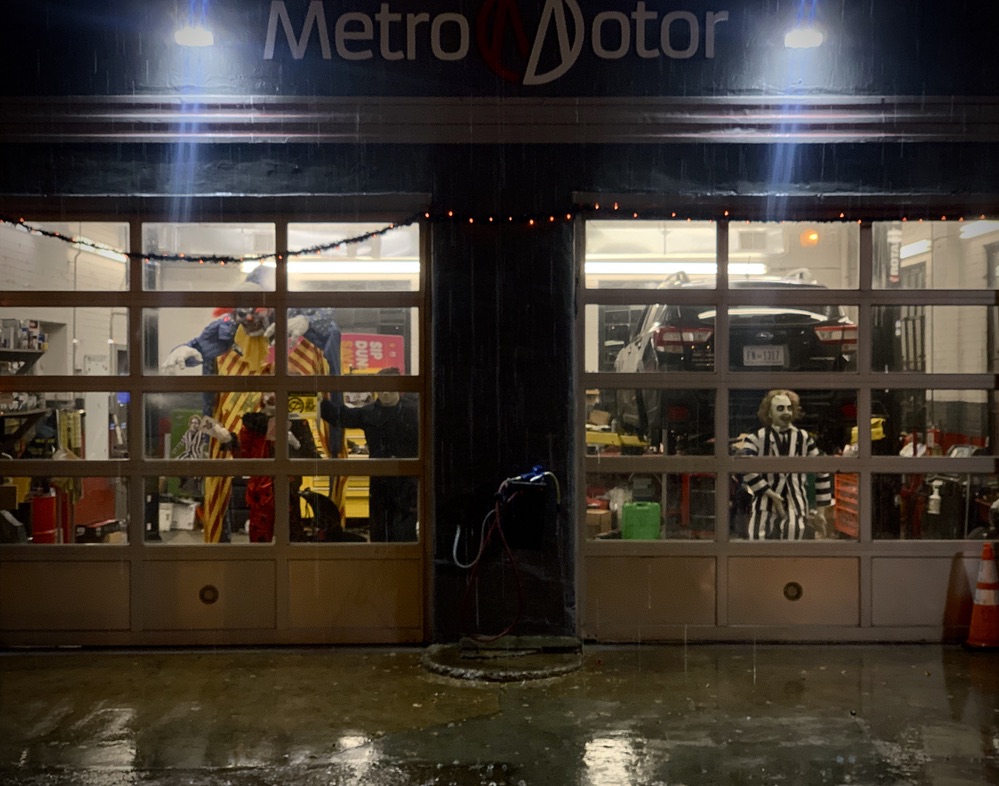
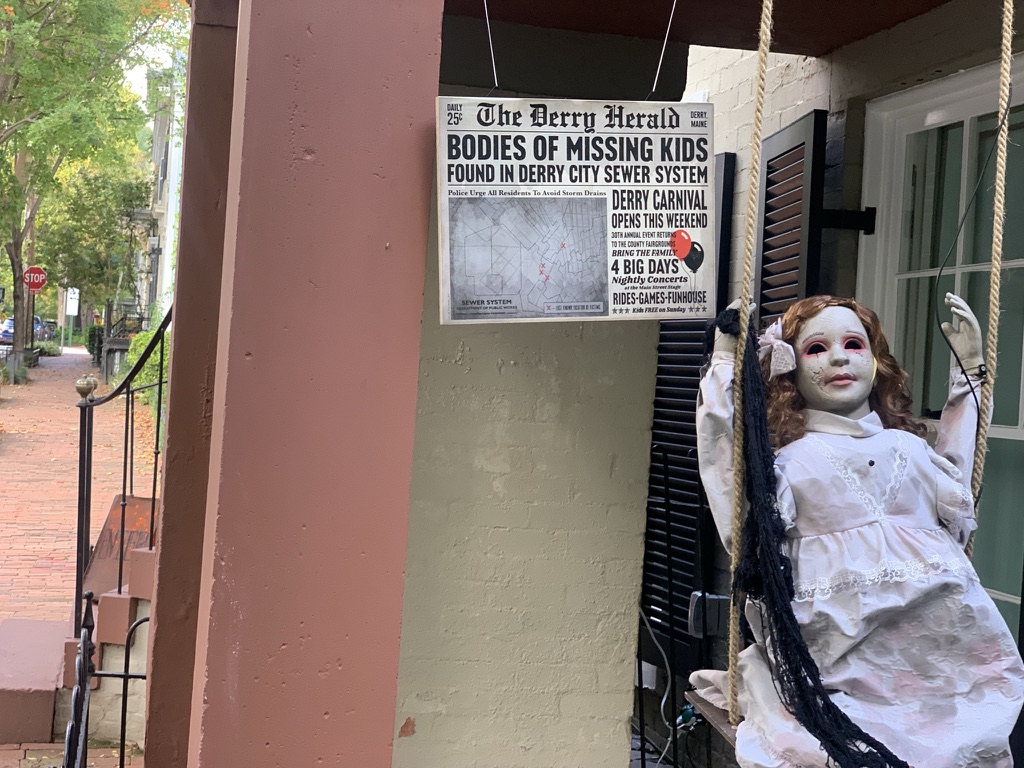
Halloween was yesterday, but GM would like to reprint again a Georgetown ghost story as told by Tim Krepp in his fantastic Ghosts of Georgetown (which you should buy!):
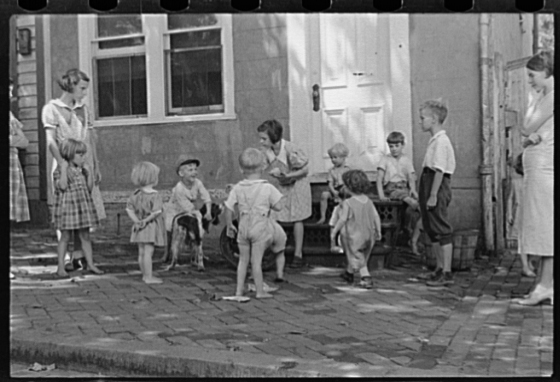
Way back in 2009, GM took a look at the population data for Georgetown and predicted that the neighborhood was on the cusp of a baby boom. This was based upon the rate of increase in the child population over the preceding nine years. And in 2017, GM went back to test his prediction and found that it had mostly come true.
Sadly though the boom appears to have gone bust (or perhaps never existed in the first place).
In 2000, there were 615 children 14 years or younger in Georgetown. In 2010, that number grew to 838. In 2017, population estimates put that number at approximately 1,029. But in 2019 estimates put that number back down to 873.
To be fair, both the 2017 and 2019 numbers are estimates based on survey data spanning five years each. The margin of error is in the hundreds. So it’s completely possible that the 2017 numbers were simply on the upper end of the margin for error. An accurate picture of the numbers won’t become clear until the Census Bureau releases the age data from the 2020 count.












 The Georgetown Metropolitan
You must be logged in to post a comment.