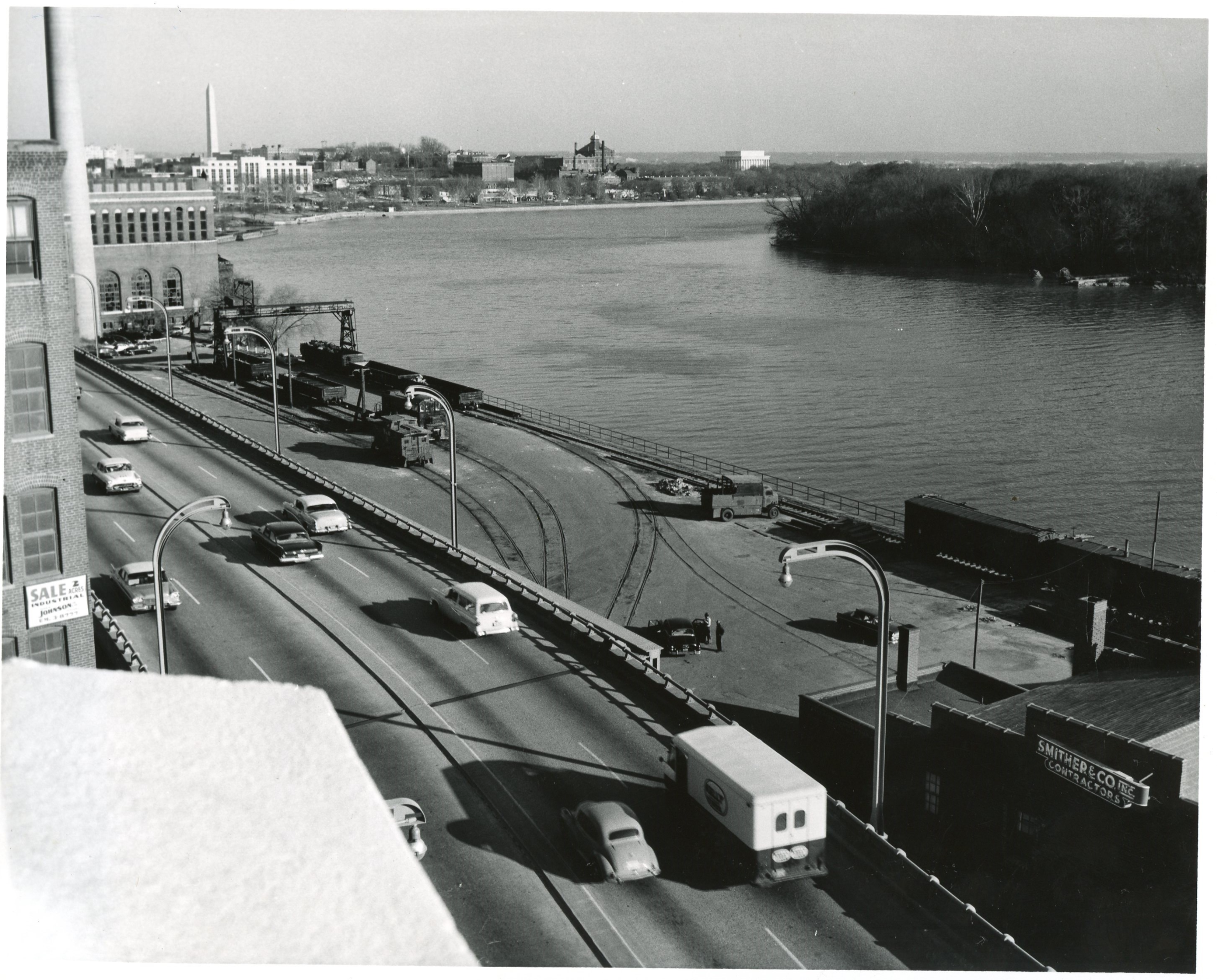
In honor of the Whitehurst turning 75 years old this week, I wanted to re-run an article I wrote exploring an old photo of the throughway when it drove over a much more industrial Georgetown waterfront.
This week for the Georgetown Time Machine, GM visits this photo of a relatively young Whitehurst Freeway. Come check out what interesting scenes it contains.
The first question is of dating. The DDOT website does not list a date, so it will take a little sleuthing. First of all, the Whitehurst wasn’t built until 1949, so that’s the earliest point. In the distance, as discussed more below, the old Huerich Brewery still stands. That was demolished in 1961 to make way for the Roosevelt Bridge. Also, that large white building that’s in front of the Washington Monument is what is now the Saudi embassy. It was built in 1959. So this photo is from between 1959 and 1961.
The first striking thing about this photo is how the waterfront was a rail yard, there’s even a caboose down there:
The next most obvious it is the massive Capital Traction Power House, which looks a little worse for wear with so many windows smashed out:
The main reason it was smashed up is that it wasn’t in operation anymore. It stopped providing power for the streetcar system in 1933, and was decommissioned in 1944. It nonetheless sat an empty shell until it was demolished in 1968.
GM always laments its loss. It could have served as a wonderful civic space had it been preserved. Look at this interior:
Ah well…
As mentioned above, that noticeable white building in the upper left is what is now the Saudi embassy:
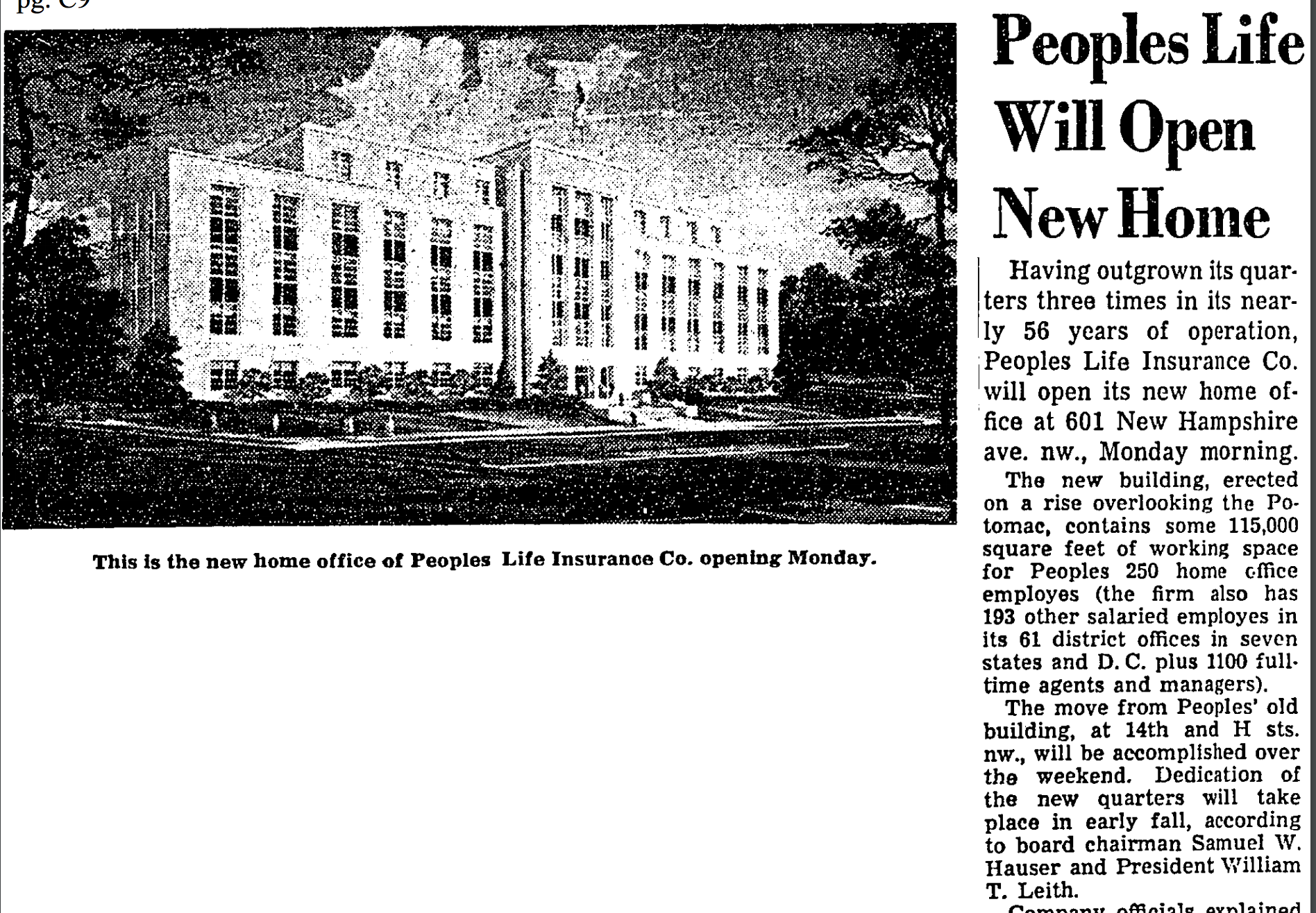
But it didn’t become the Saudi embassy until 1983. Before that it was the headquarters of the People’s Life Insurance Co., which constructed the building in 1959:
What you’ll also notice is that you can actually see this building from Georgetown, which you can’t do anymore. That’s because the Watergate isn’t in the way yet. That wasn’t built until 1964.
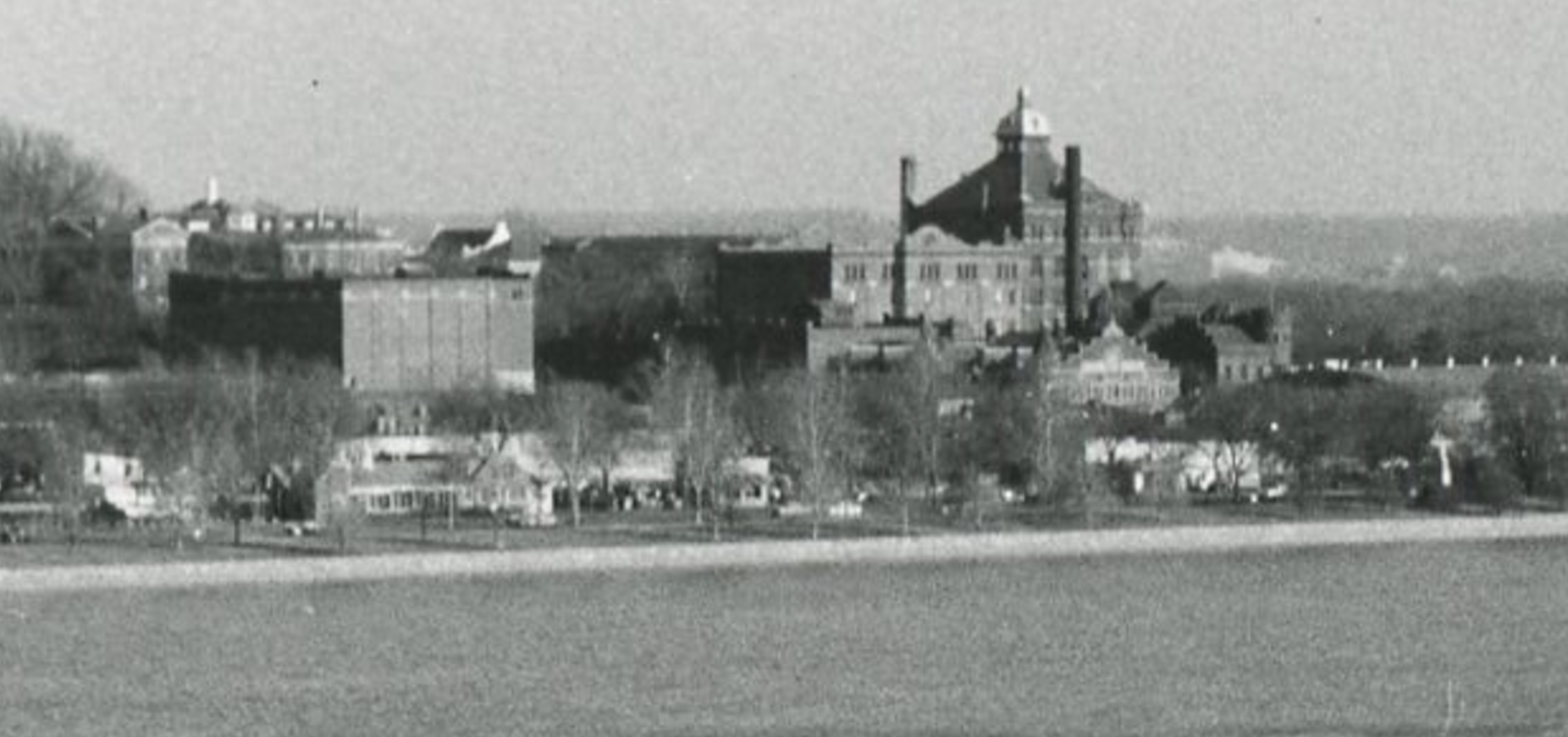
And finally, as mentioned above, the last significant structure to notice is the late, great Heurich Brewery:
Here’s a better view:
As also mentioned above, it was sadly demolished in 1961, which must have been just a couple years after the photo was taken.
There will be a used book sale at the Georgetown library later this month. Here are the details:
Thousands of donated books will be for sale the weekend of Oct. 19-20 at the Georgetown Neighborhood Library, 3260 R St. NW. Of special interest: 40 brand-new historical fiction and nonfiction books for seventh through ninth graders donated by a judge for a prestigious literary prize.
Saturday: Public admission 11am-4pm. Hardcovers $4, paperbacks $2.
Sunday: Admission 1-3pm. All books half-price or fill your shopping bag for $10.
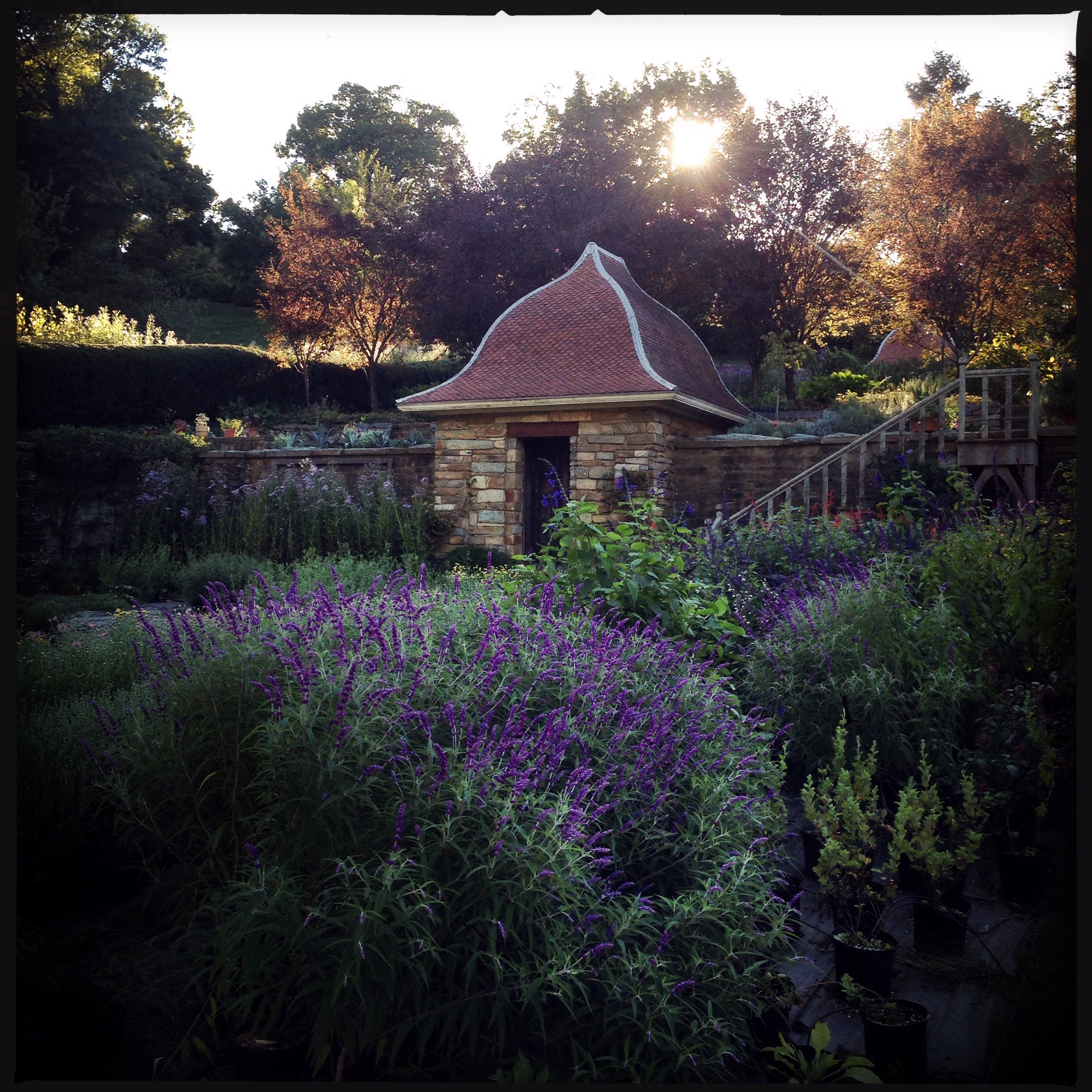
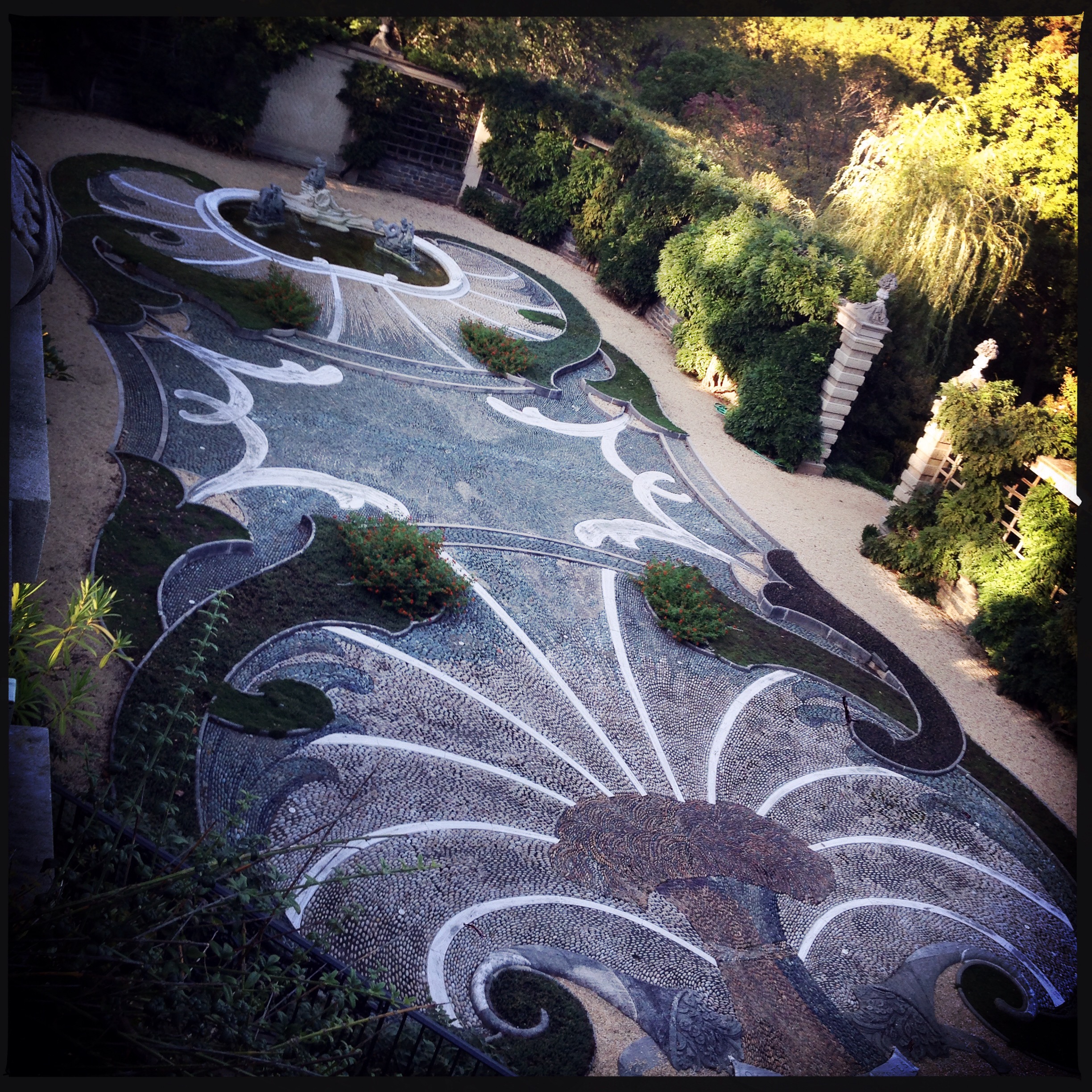
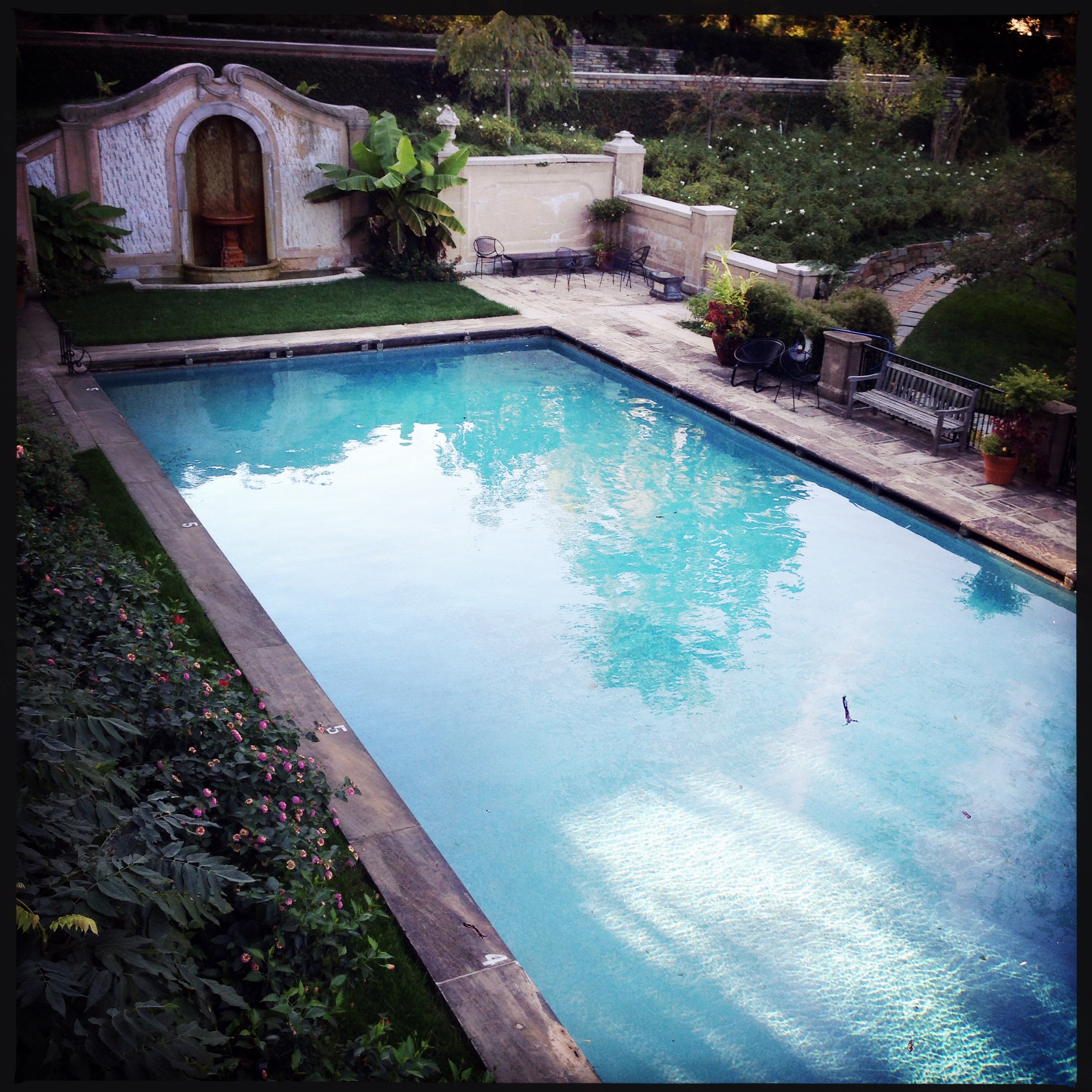
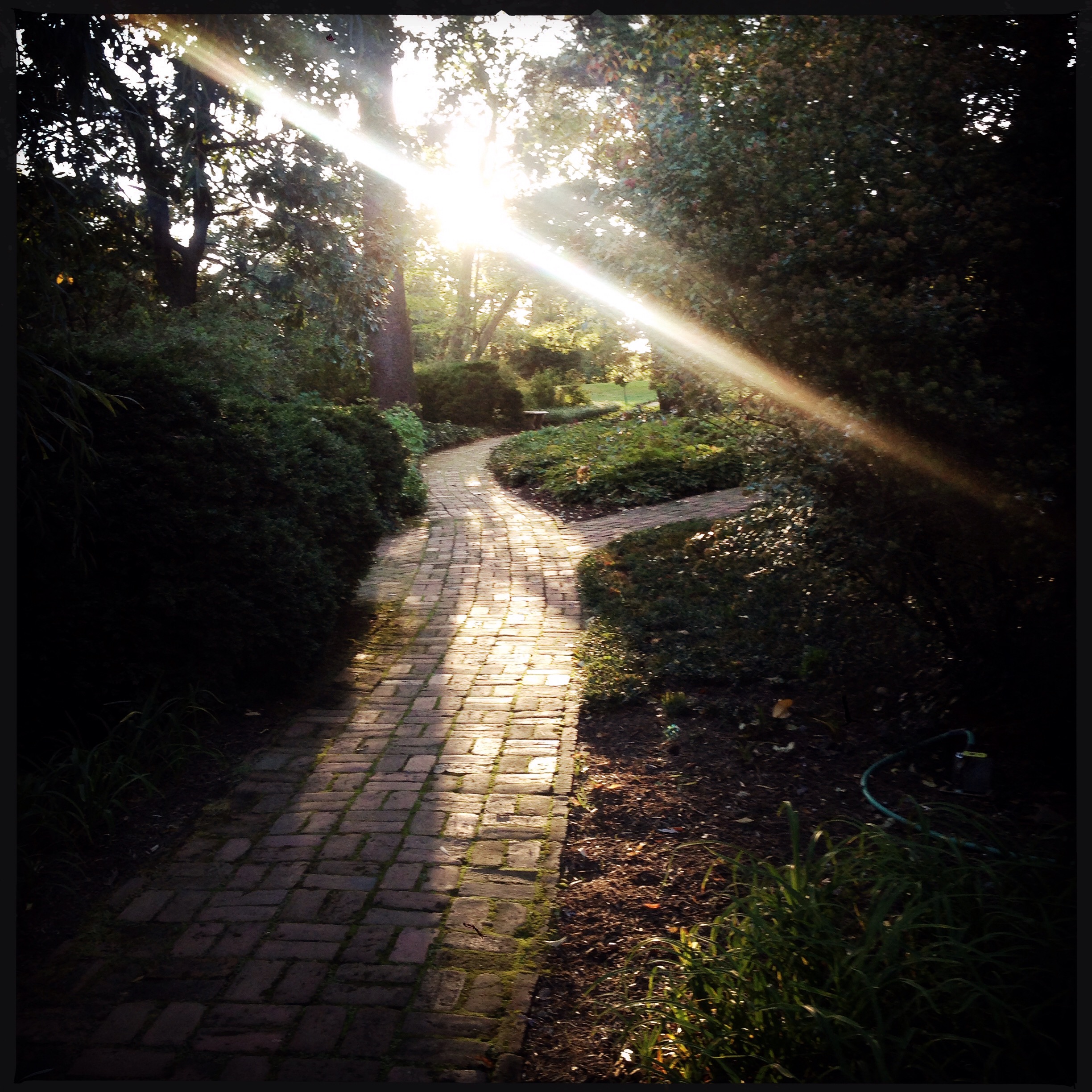
A lot of people know that Dumbarton Oaks is beautiful in the spring. But I like to to issue this annual reminder that it’s also quite lovely in the fall:
Dumbarton Oaks is well known for its spring displays of incredible seasonal bounties. But people often overlook how spectacular the acres of gardens are in the fall. Hurry up and catch it now before it’s gone.
But here’s just a taste. The wildflowers of the Herbaceous Border are breathtaking:
The rest of the garden is at that magical moment when the gardeners loosen their grips and the plants give off one more explosion before the winter:
Of course the rest of Dumbarton Oaks is also looking great:
The final death march of the Georgetown Circulator has begun. As I’ve previously written, the city is ending the bus service due to budget constraints. Although popular, the program proved to be too expensive (as measured by cost-per-rider) to justify keeping around in a belt-tightening era.
The axe has already come down on one Georgetown-based Circulator route. The Dupont-to-Rosslyn route, which travels down M St., was terminated as of yesterday. Of the remaining routes (including the Georgetown-Union Station route) late night service has also been terminated. Moreover, buses will now be operating on a 20-minute headway.
And then this hollow shell of a formerly great service will finally be put out of its misery come January 1st. By then all Circulator service will be gone and the red-and-silver buses will be nothing but a memory.
As I’ve also mentioned before, the city is working with WMATA to try to beef up or modify metrobus service to compensate for the lost Circulator service. The details are in this link. In short, there will be no replacement service for the Dupont-to-Rosslyn bus. And the replacement for the popular Georgetown-to-Union Station route will be replaced with new 30 series routes that will go all the way to Union Station.
This replacement service would appear to be somewhat adequate, but it does not account for bus frequency. The new 30 series buses will not come any more frequent. So to the extent you use either the 30 series or Circulator to get vaguely downtown, you will have noticeably fewer buses per hour offering that service.
This is a major blow to transit service for Georgetown. And given the fact that the neighborhood is still the most popular and dense retail and entertainment neighborhood in the city and still lacks a metro stop, this is bad for the city as a whole. We must keep pushing for more service on the 30 series to compensate for this huge loss of transit service.
Hello and welcome to the Northwest Georgetown ANC update! I hope you’re having a great early fall and get plenty of chances to head out to pumpkin patches and apple orchards this month! Here’s what’s happening around our neighborhood:
Tavern on 33rd St.
As I mentioned in my last update, I spent a lot of time over the summer negotiating a possible settlement agreement for a tavern that was seeking to open at 1660 33rd St. I’m happy to report that over the last month, we reached an agreement between the parties. The protests were dropped and the license was issued.
I certainly understand that many neighbors still have anxiety about this establishment opening. It is a new, and higher intensity use for a building that backs up to a lot of residential properties. But the property is zoned commercial and the ABC Board has developed a permissive reputation in recent years. So having this establishment open with a long list of conditions designed to make them be good neighbors is the best we could hope for.
The conditions in the settlement agreement (link here) address a wide variety of activities. These include hours (both for the inside and the summer garden), noise, trash and smoking. I am hopeful that with these conditions applied that this new establishment (named Creme) will substantially reduce any negative impacts its opening could have.
I do not know yet when Creme will open. I hope it is a success and becomes a valuable part of our corner of Georgetown. Once it opens, please let me know if you have any issues or complaints about it!
Volta Park Fall Fest Next Week
The Friends of Volta Park are holding their annual Fall Festival next Saturday, October 5th. It runs from 11AM – 2 PM. Come on out!
Speaking of Volta Park festivals, the Citizens Association of Georgetown will hold their fall Concert in the Parks at Volta the next day, October 6th. It will take place from 4:30 pm to 6:30 pm.
As for the field renovation, the last I heard was that it would move forward in early November. But that was not a commitment, and I’ve been burned by these non-committal dates many times already. So take it with a big sack of salt.
ANC Meeting
The ANC will be holding its October meeting next Monday night at 6:30 pm at Visitation (virtual option here). The draft agenda is here. I want to highlight one issue that ANC is addressing: the proximity rules for medical cannabis shops.
The rules and regulations for the newly licensed medical cannabis shops include provisions concerning the retail shops’ proximity to schools, rec centers, and other licensed shops. Specifically, no shop may open with 300 feet of a school or rec center or 400 feet from another licensed shop.
When the city first started the process to issue these licenses last year, I reached out to the lawyers at ABCA to get clarity as to how the distance was supposed to be measured because there are lots of ways they could be measured. I was told that they would use the method whereby they would look to the shortest line drawn directly between the two lots. This would provide the broadest protection against having the shops too close to schools, rec centers or other shops.
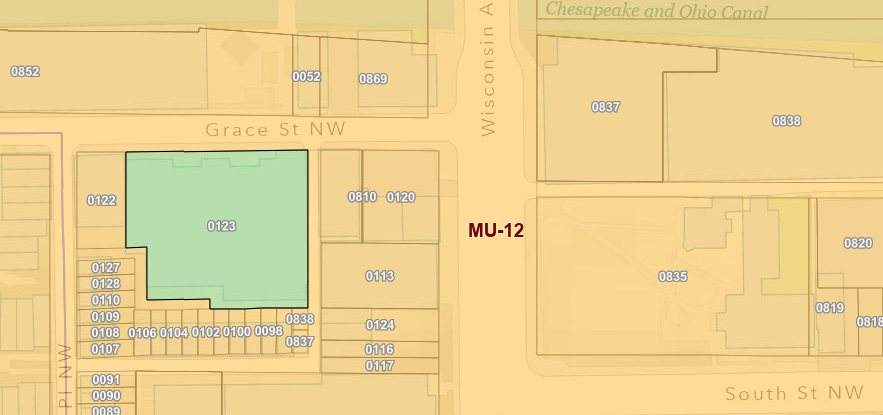
I was under the impression that this is the standard ABCA used, however a recent applicant appears to have obtained a different approach. The applicant is seeking to open at 3120 Grace St. This is a space in the larger Grace Street Collective group of businesses. And, importantly, it is a shop that is in a lot that is much bigger than the shop itself:
The large lot on the bottom right of the image above is the lot for Grace Episcopal, which houses Georgetown Montessori. If you draw the shortest line between the Grace St. lot and the church’s lot, it is well below 300 feet. And as such, it should mean that the application should not got forward.
However, the ANC has learned that ABCA has used a different approach to measuring proximity in this case. We understand that they measured from the proposed shop’s actual location within the lot to the actual location of the Montessori School in the other lot. This puts the distance just over 300 feet.
The ANC discussed this issue in our meeting last month and we are in agreement that a more restrictive measuring approach should be used. It has less to do with this particular applicant as it does with the fact that the neighborhood is already inundated with licensed and unlicensed pot shops. Interpreting the proximity rules in this fashion would blunt the protections that the proximity rule provides.
The ANC has sought clarity from ABCA on what standard applies, but have not yet received an answer. We will be considering a resolution calling for clarity from ABCA on this issue at the meeting.



















 The Georgetown Metropolitan

You must be logged in to post a comment.