This Saturday, CAG is hosting its second annual architectural walking tour. I will be leading one of the groups around, trying to dispense what knowledge on architectural history I’ve picked up over the years. But to that end, last year I tried to distill that into a short document, which you can read above. Even if you can’t make the tour, I hope you enjoy this guide!
Keep in mind, I’m hardly a trained architectural historian. But I’ve tried to gather information from a wide variety of reliable sources to help you better tell the difference, for instance, between a Second Empire and a Richardsonian Romanesque. Think of it like a birders guide, but for houses.
Hello and welcome to the April Northwest Georgetown ANC update!
Alley Repaved
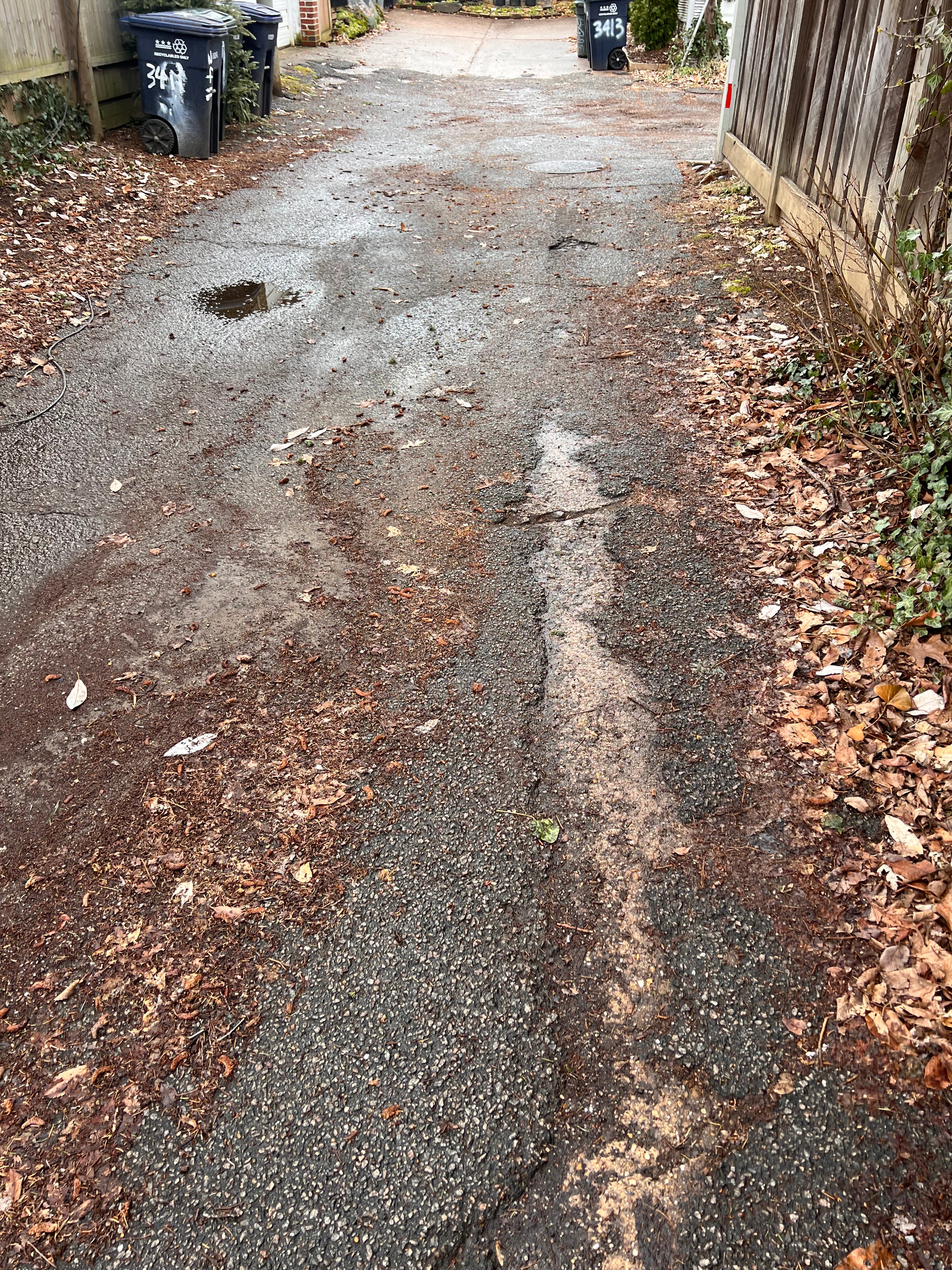
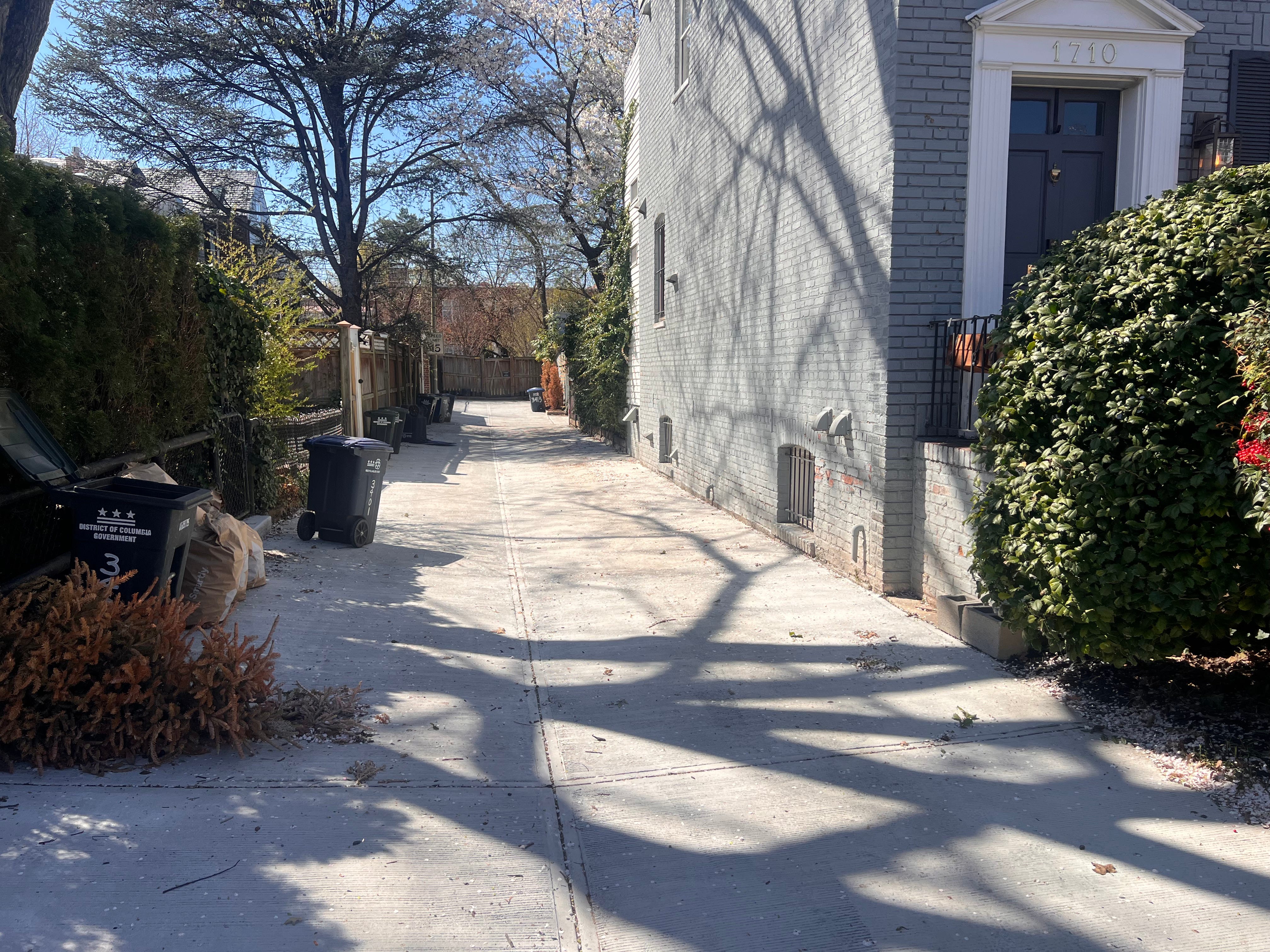
Thanks to years of lobbying from residents and at least one ANC commissioner, the city finally repaired the alley behind the westside of the 1700 block of 34th St. And rather than a simple asphalt patch job, the city came and poured a completely new concrete alley. It looks great compared with how it appeared before:
Before:
After:
As much as this is a great step forward, it is also somewhat a missed opportunity. After all this time, the city chose a concrete base instead of a permeable surface. I had been advocating with the city for the alley to be included in the Green Alley project, which would have used a permeable surface with a water retention feature. This would help keep a great deal of storm water out of the drains in the first place. Alas, the city chose a traditional solution. An improvement, no doubt, but less than what it could have been.
The poor state of this alley was literally the first constituent request I fielded after taking this position. And I’m glad that it was finally addressed. But it’s also a good lesson for how much of this job involves two steps forward and one step back.
Transportation Study Draft Recommendations Released and Public Meeting
The District Department of Transportation released its draft recommendations as part of the Access and Circulation Study that it has been conducting since last year. Hopes have been high that this study and its recommendations could make a significant dent in long-term transportation challenges faced in Georgetown.
The recommendations are listed by specific location. And there are several recommendations that touch directly on my Single Member District. They are as follow, with my personal response to each. (And before I get into them, I wanted to highlight up-front that there will be a public workshop presenting all of the study’s recommendation on Tuesday April 2nd at 6:30 at St. John’s. Please try to come out if you can!):
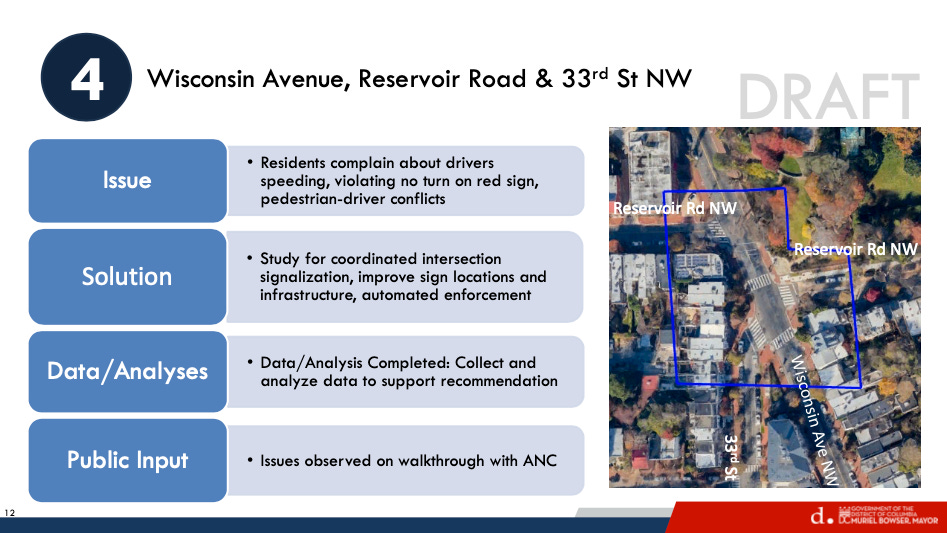
Intersection of Wisconsin Ave., Reservoir Rd. and 33rd St.
The intersection of Wisconsin, 33rd and Reservoir is an exceptionally dangerous one. When I did my walk with the DDOT representative, I asked to start here due to the hazardous conditions. The dangerous behavior I was concerned about occurred within minutes of our arrival, so much so that the DDOT representative joked that I had arranged for actors to play it out for him. I wish.
The dangerous behavior is familiar to anyone who walks through here. Drivers speed down Wisconsin, making crossing the street exceptionally risky, particularly at the marked crosswalk next to A Mano. Additionally drivers coming out of 33rd St. almost always end up blocking the crosswalk while they search for a break in traffic. Drivers also continue to make right turns on red at the intersection of Reservoir and Wisconsin, which is no longer permitted. This is exceptionally dangerous for pedestrians legally trying to cross Reservoir northbound because drivers on Reservoir inevitably only look left before hitting the gas the moment a gap in traffic appears. I have been nearly run over and killed in this manner multiple times at this intersection.
(It’s also a fair point that the new no-right-on-red has likely contributed to additional back-up of drivers on this road. I recommended that DDOT look into the signal timing to address this.)
Additionally, a great number of commuters come through this intersection to use Reservoir as a cut-through to 32nd St., in order to avoid traffic on Wisconsin.
The recommendations would address some, but not all, of these issues. It calls first for coordinated signalization. I believe this is largely about the signal timing, as I mentioned above.
It also calls for “improved sign locations and infrastructure”. I believe that means installing flex posts to make the turn from 33rd Street to Wisconsin Ave. more perpendicular. This forces drivers to take a more deliberate and, ideally, safe approach to Wisconsin. I agree with this goal, but I also know that flex posts are going to be contentious. Personally, I think the value and importance of making our roads safer is a higher priority than making sure they’re aesthetically pleasing. Safety should be the first and most important goal, aesthetics should be secondary. That is not to say aesthetics should be of no concern, just secondary. Perhaps a better structure or material is possible than flex posts. But we should not put safety on hold while we find one.
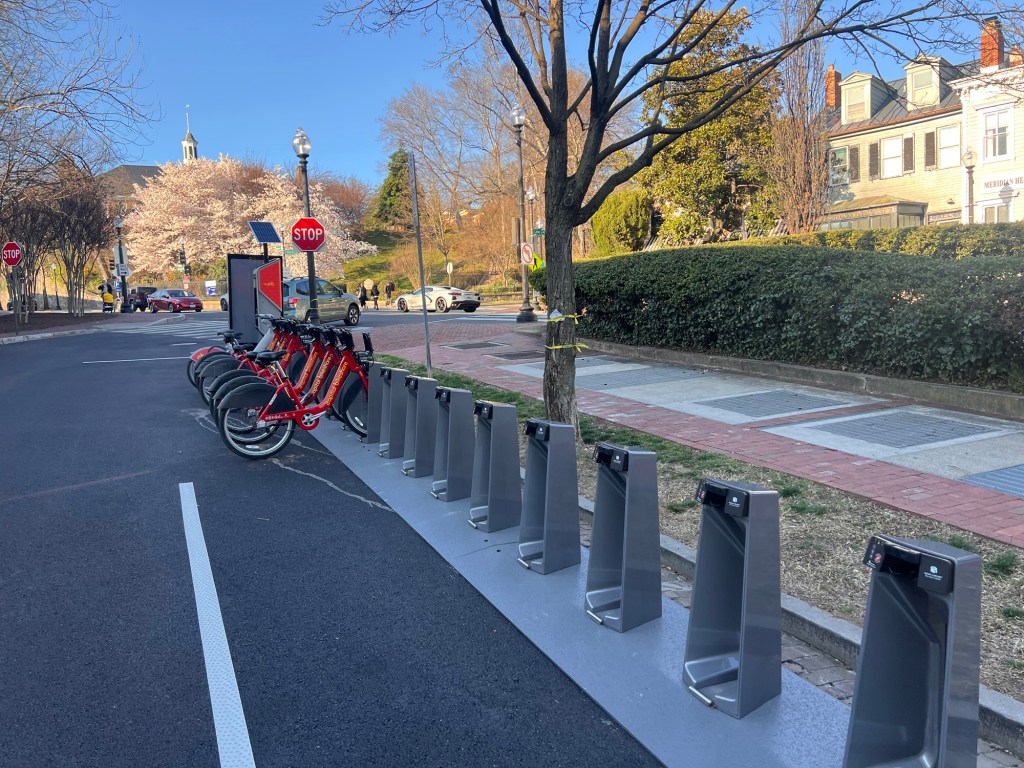
I’m happy to announce the new Bikeshare station I worked with DDOT to bring to Georgetown has been installed! It’s located at the north end of 33rd St. at Wisconsin Ave. Try it out and let me know what you think!
Separately, I will be off to Colorado for spring break next week, so apologies for the lack of posts. I’ll be back in April!
This week for Georgetown Time Machine, I’m dipping back into the DC Historical Society’s archives. Like last week, the photo was taken by Emil Press, this time in October 1977.
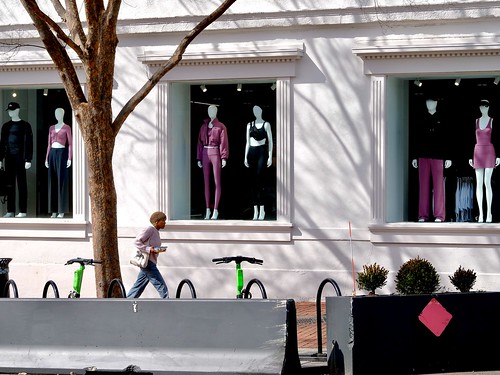
The photo shows the cluttered storefront window of Weaver and Sons hardware store. This store, which is the oldest continuous store in Georgetown, has been open since 1883. The building has gone through many changes though. It originally looked like this:
But a fire in 1963 lead to the current faux colonial design. (I wish they kept the wild Victorian design). Weaver’s continued as a traditional hardware store right up to the 90s.
But later the company shifted its focus to high end kitchen hardware and moved into a showroom on the second floor. Abercrombie and Fitch have long occupied the former storefront space.
A spring art walk is coming to Georgetown this Saturday. It will be between 12 pm and 5 pm and primarily focus on Book Hill galleries (although a couple spots below Q also feature).
Here is the description:
Join us for a celebration of spring, creativity and art at the Georgetown Spring Art Walk on March 23rd, 2024 from 12:00 PM -5:00 PM.
The event will feature ten local venues showcasing a diverse range of artwork, including paintings and mixed media pieces plus art workshops and more!
Throughout the day, you’ll have the chance to meet and chat with the artists, learn about their inspirations and creative processes, and purchase unique pieces to add to your collection.
It should be a great day to celebrate the wonderful galleries that make Book Hill so special. Hope to see you there!
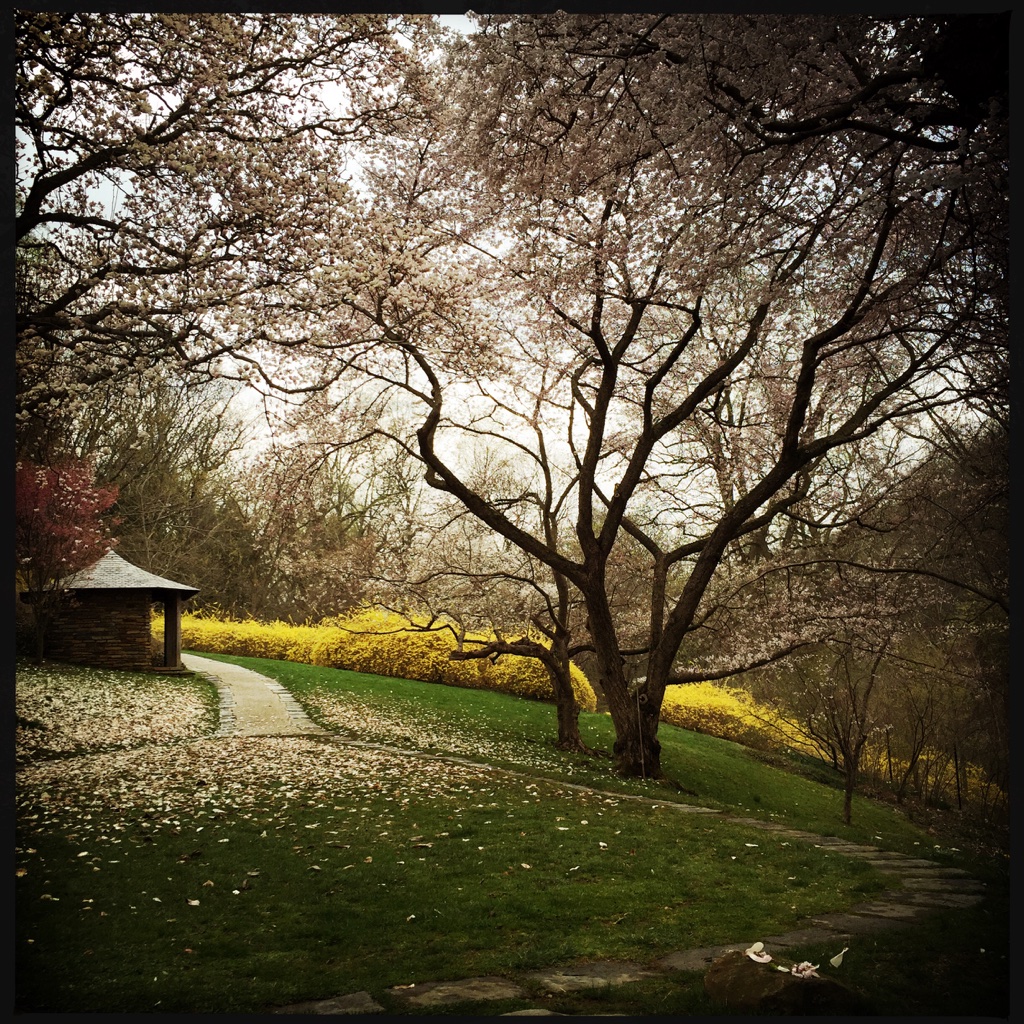
The cherry trees will hit peak bloom over the weekend. And there’s nothing quite like being surprised by a beautifully, fully blooming cherry on a walk or ride through the neighborhood. But some cherries are worth seeking out just to make sure you don’t miss them for the year! In my humble opinion, here are some of them. Add more in the comments!
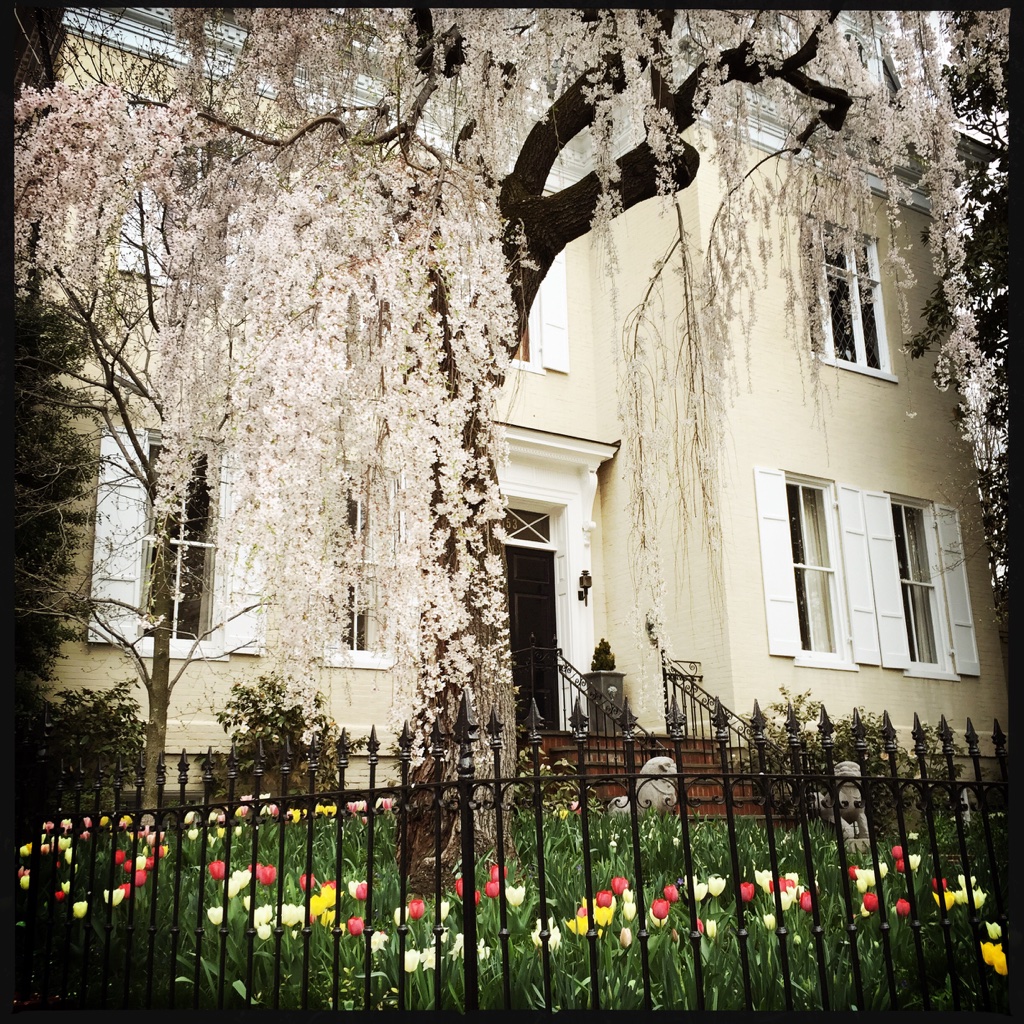
31st and P:
The first cherry is seen above. It’s a huge weeping cherry (which tends to bloom slightly ahead of the rest). Set against the stately corner home, it’s a don’t miss!
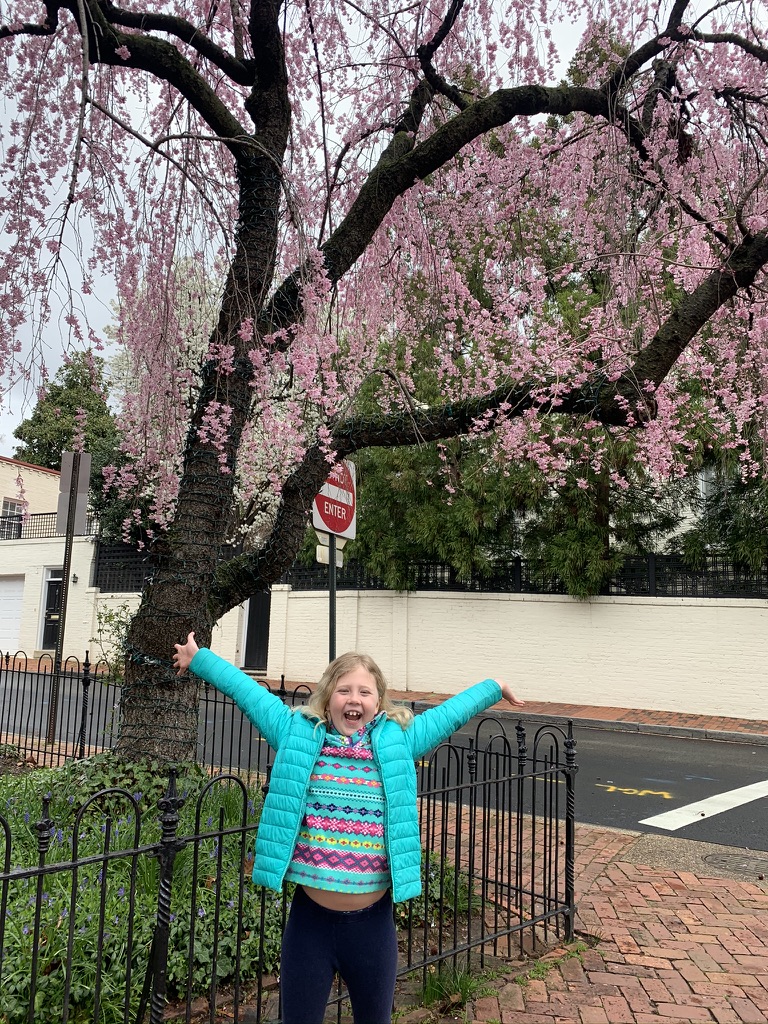
32nd and P:
Just down the block is another beautiful weeping cherry. It’s not quite as large but is just as stunning.
Dumbarton Oaks
No conversation about cherries can forget Dumbarton Oaks; although few would need reminding. The grove on the north end of the property is perhaps the best in the region (again, in my humble opinion).
Montrose Park
I don’t have a photo of it, but there is lovely weeping cherry on the west side of Montrose Park. With so few flowering trees in the park, it really stands out.
Cashell Alley
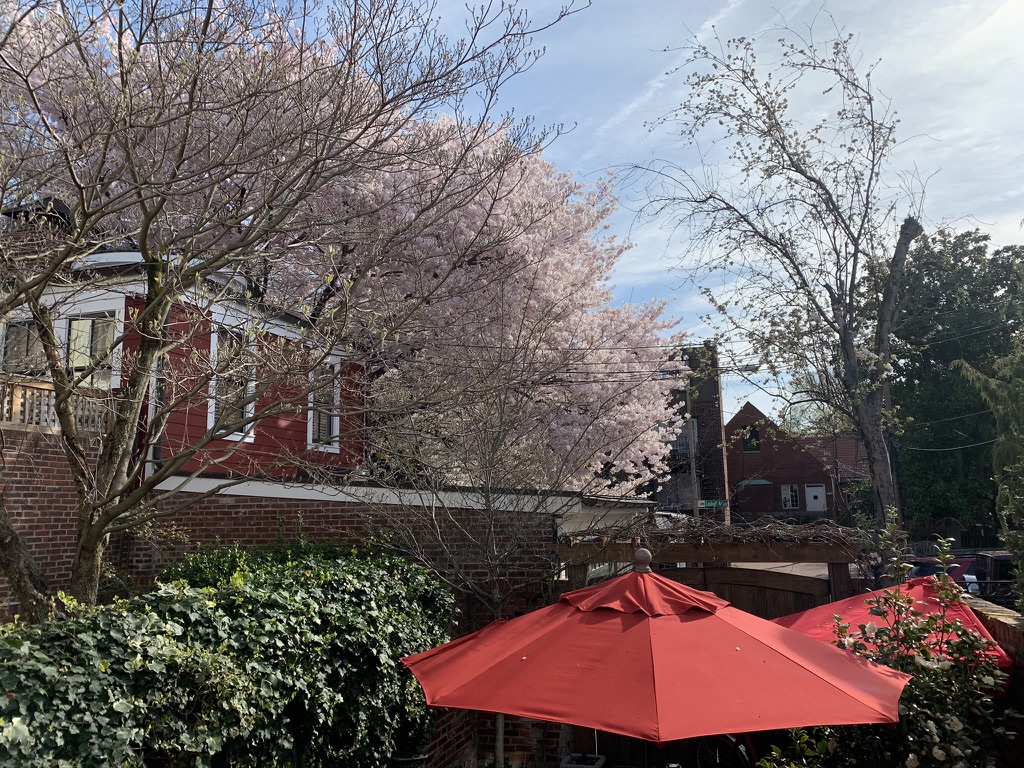
I’m a bit biased on this one, but there is a gigantic cherry tree along Cashell Alley behind my house. It’s worth checking out, particularly as the petals fall and create a snowfall of flowers.
Where are some cherries that you will go out of your way to take in?













 The Georgetown Metropolitan
You must be logged in to post a comment.