
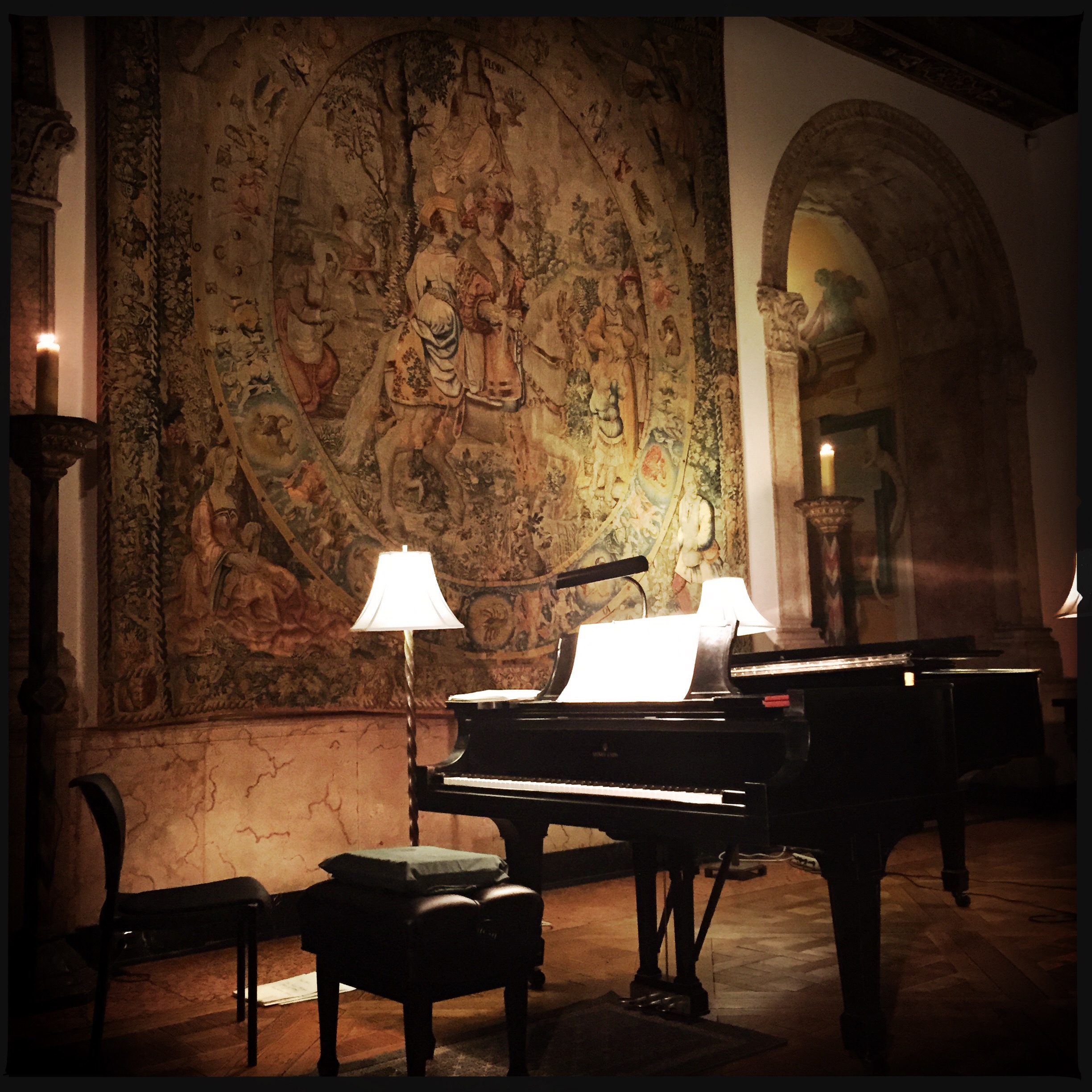
3100 block of R St.
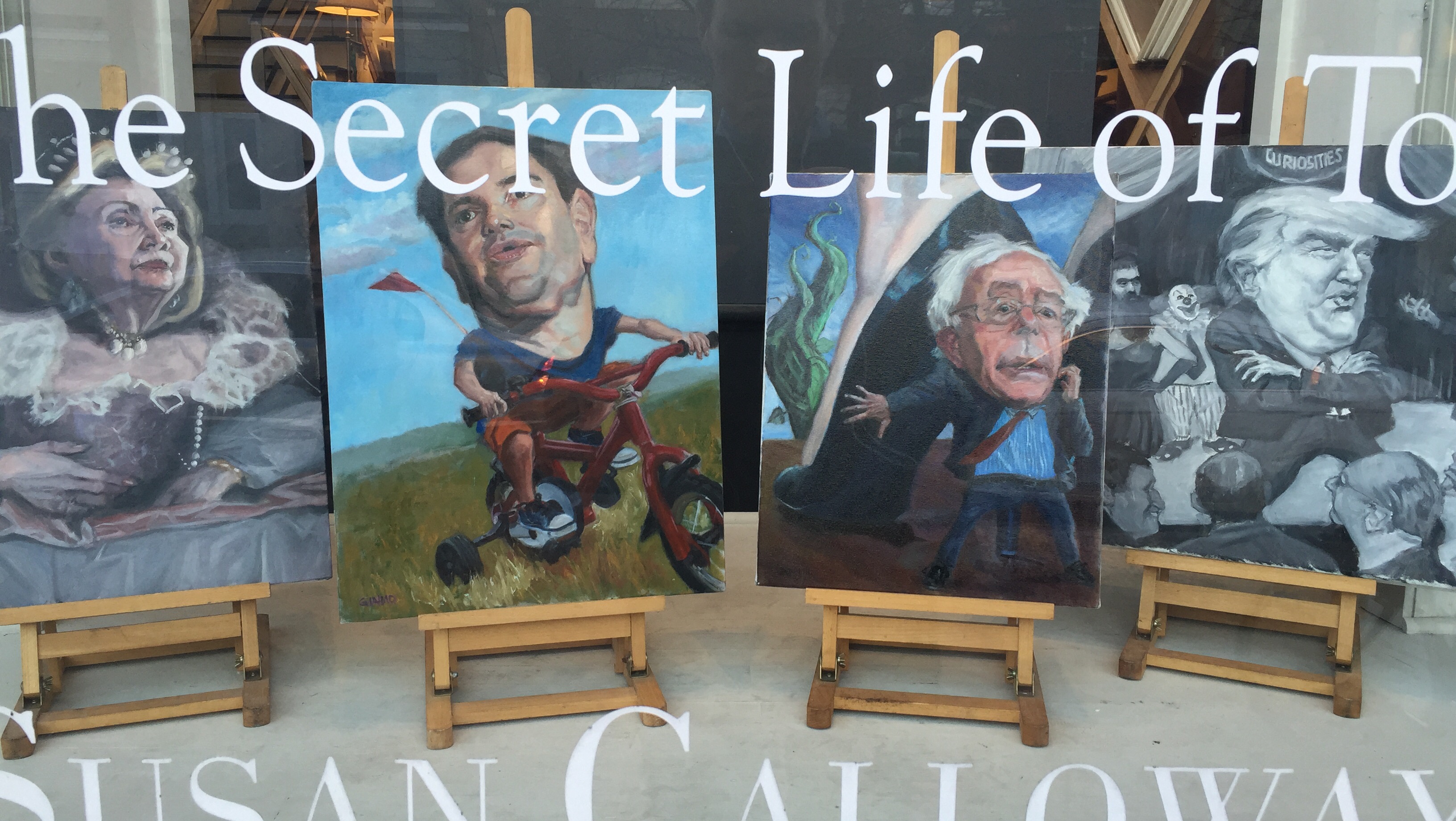
These politically themed paintings are on display at the Susan Calloway gallery on Book Hill. Looks like, what, a Hillary as Queen? Rubio as a toddler? Bernie as Jack to Hillary’s giant? Trump as a vaudeville act?
Do you have a blank wall looking to be filled?
Filed under Uncategorized
 Photo by Bob M.
Good morning Georgetown, here’s the latest:
Filed under Uncategorized
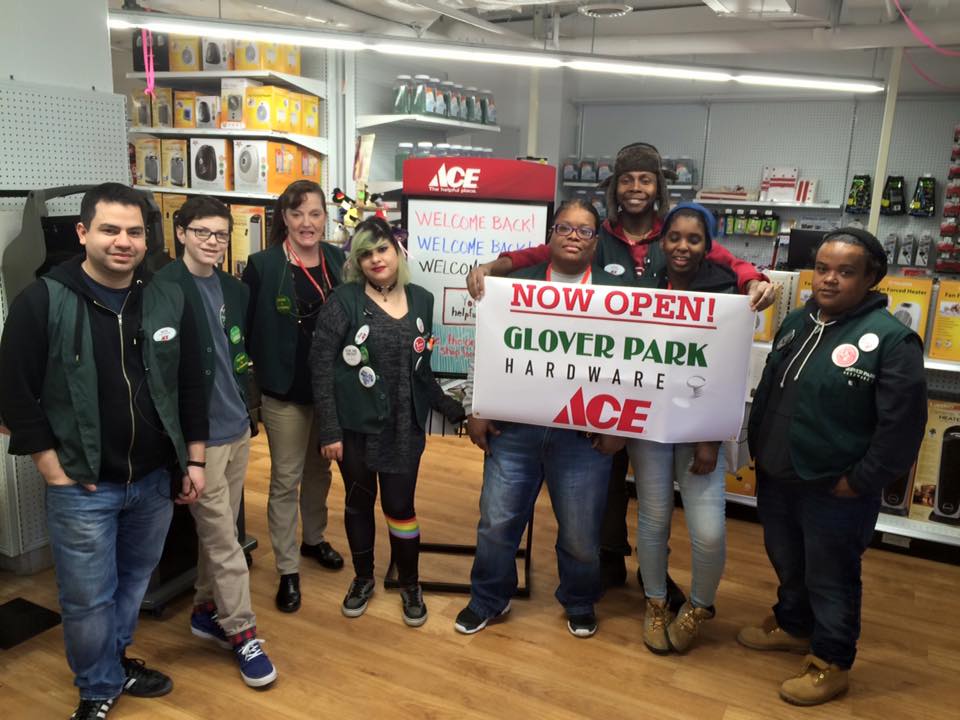
GM tries to limit his news to the strict confines of Georgetown proper. It makes his job slightly easier. But sometimes a story comes along that’s technically outside those boundaries but affects Georgetown residents. And the reopening of Glover Park Hardware is one of those stories.
You may recall that in 2014, the store was evicted so that a utterly redundant Rite Aid could move in across the street from a CVS. The hardware store identified a location nearby (apparently after vetting a few Georgetown locations) at 2233 Wisconsin Ave. (down the steps next to Breadsoda). But interminable construction delays pushed the initially optimistic opening date back significantly. They were originally hoping to open early last year, and only finally opened this week. Continue reading
Filed under Uncategorized
 Photo by angela n.
Good morning Georgetown, here’s the latest:
Filed under Uncategorized

The ANC agenda for tonight was issued last week. And GM likes to peruse the agenda because it is often the first indication that a new store is coming to the neighborhood (since they need sign approvals). And this month’s agenda has that, but it may come at the expense of a longtime institution.
According to the agenda, the Philly-based high end sneaker store called UBIQ is seeking approval for a sign at 3124 M St. Sadly, that address is Bistro Francais’ address. Continue reading
Filed under Uncategorized
 Photo by Elvert Barnes.
Good morning Georgetown, here’s the latest:
Filed under Uncategorized








 The Georgetown Metropolitan
You must be logged in to post a comment.