
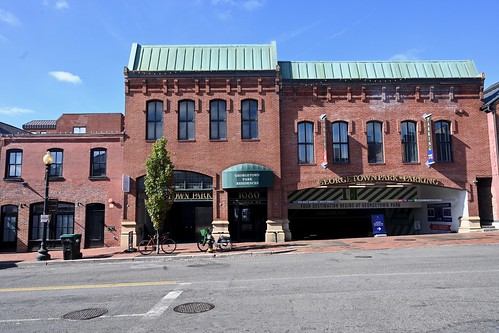
Good morning Georgetown, here’s the latest:
- Cafe Milano turns 30.
- More on what Eastbanc has planned for their development at Wisconsin and Prospect.
Good morning Georgetown, here’s the latest:
Filed under Uncategorized

The Board of Elections released the last big batch of votes last night, reflecting the mail-in and drop-off ballots it received on election day. And it has grown my lead to 200 to 117. So I feel comfortable now calling it a victory. THANK YOU SO MUCH!
When I was going door-to-door, I emphasized how my number one priority is constituent services. And I will be dedicated to living up to that promise. So come January, I want to be one of the first people you think to call when something goes wrong around the neighborhood. Let me deal with it so that you can go back to living your life.
Also part of that service is my plan to establish a monthly newsletter that will keep you informed on what’s going on in our SMD and around Georgetown generally. I am currently looking into the best way to deliver that newsletter so that it’s ready to go when I start next year. Stay tuned!
Filed under Uncategorized

Good morning Georgetown, here’s the latest:
Filed under Uncategorized
Today’s the day! Don’t forget to vote if you haven’t yet. I’ll be manning the polls handing out my priorities and chatting with whoever I can stop. Say hi!
And here’s the latest:
Filed under Uncategorized
Filed under Uncategorized
With Election Day tomorrow, GM wanted to re-print an article he published two years ago telling the story of the first black voters in DC, who were all Georgetowners:
Georgetown was founded by act of the Province of Maryland on May 15, 1751. It was carved out of Frederick County (which itself had only been carved out of Prince Georges County three years earlier). It should come as no surprise that the Corporation of George Town, as it was known, did not extend any voting rights to non-white men (or any women). This continued after 1801, when the city was incorporated into the newly formed District of Columbia.
Throughout the first half of the 19th century, there was little hope of this injustice coming to an end. However, with the rise of radical Republicanism following the Union’s victory in the Civil War, talk of extending the franchise to Black men reached the highest levels. Leaders such as Massachusetts senator Charles Sumner pushed for universal male suffrage as a condition for the Southern state’s readmission to the Union. This effort, sadly, was thwarted by the assassination of Abraham Lincoln at the hands of a man enraged at that possibility. Lincoln’s successor, Andrew Johnson, left the question to the vote of the Southern states themselves, and you will not be surprised how that turned out.
Once the possibility of achieving universal male suffrage across the South was stopped, Sumner and others turned to the District. This was due to the unique amount of power Congress had (and still has) over DC. Congress has ultimate authority over DC’s laws and could extend the vote to Black men by legislation without regard to the will of the white male voting population here.
White leaders in DC were not too keen on that idea. GM will spare you some of the statements they made in reaction to the proposal, but suffice to say they were disgustingly racist. And in order to have a say in the matter, the cities of Washington and Georgetown held a referendum on December 21, 1865 on the question. The referendum’s result would not be binding, since Congress could simply ignore it. But it was thought by the White anti-Black suffrage leaders that the results would dissuade Congress from acting.
Continue readingFiled under Uncategorized
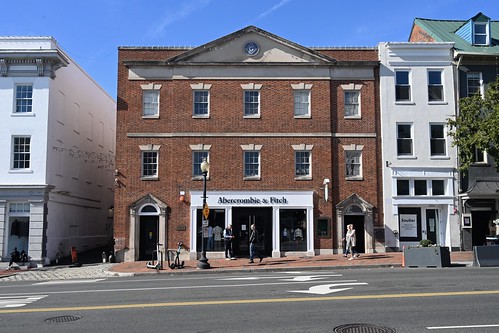
Good morning Georgetown, here’s the latest:
Filed under Uncategorized
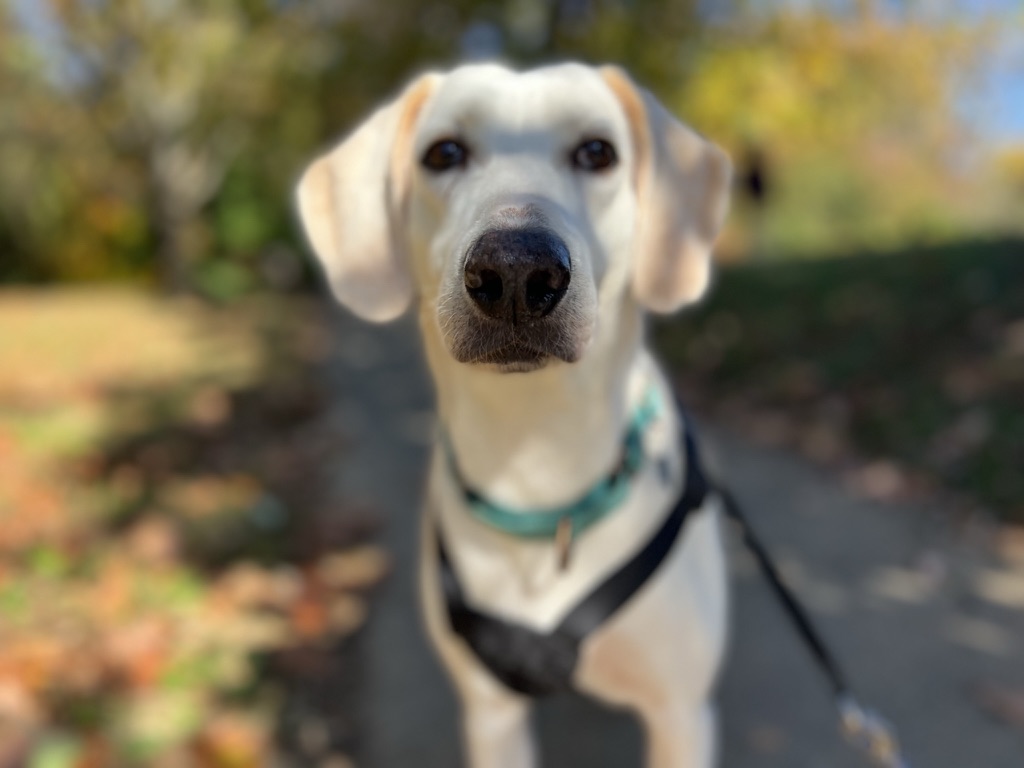
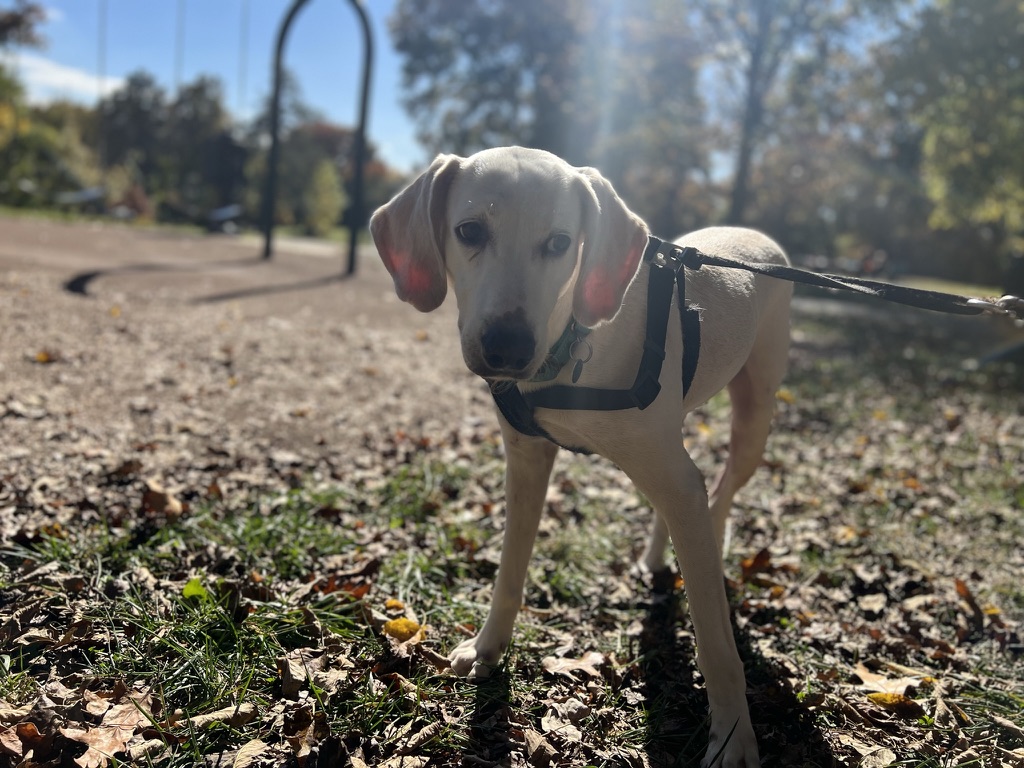
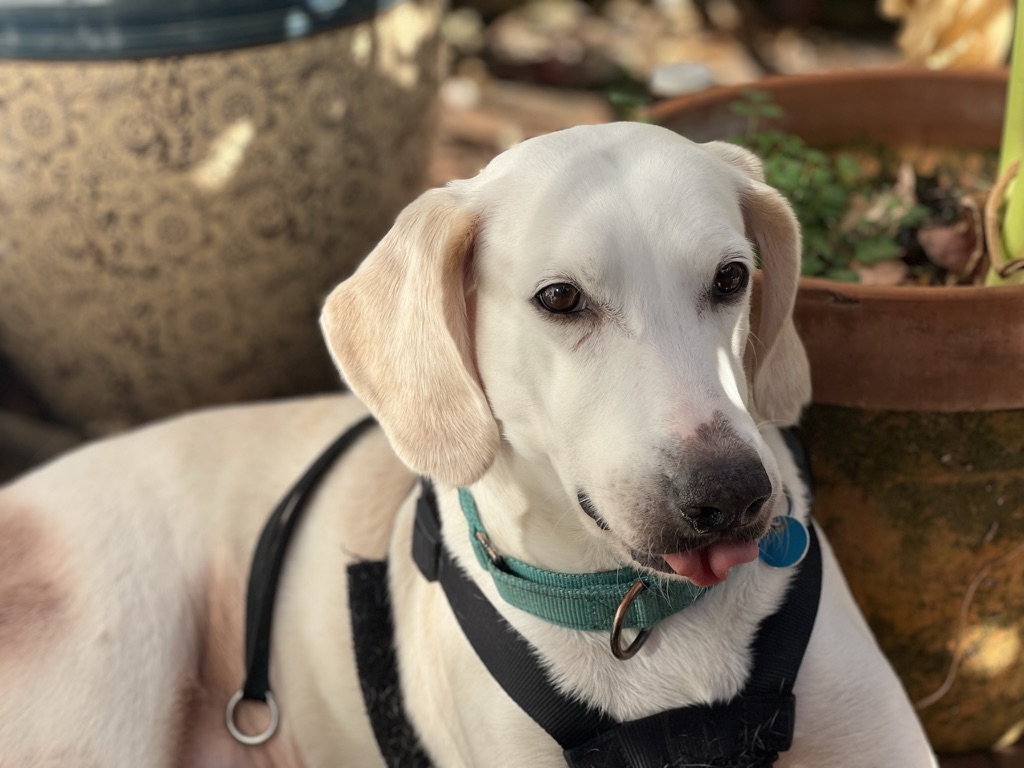
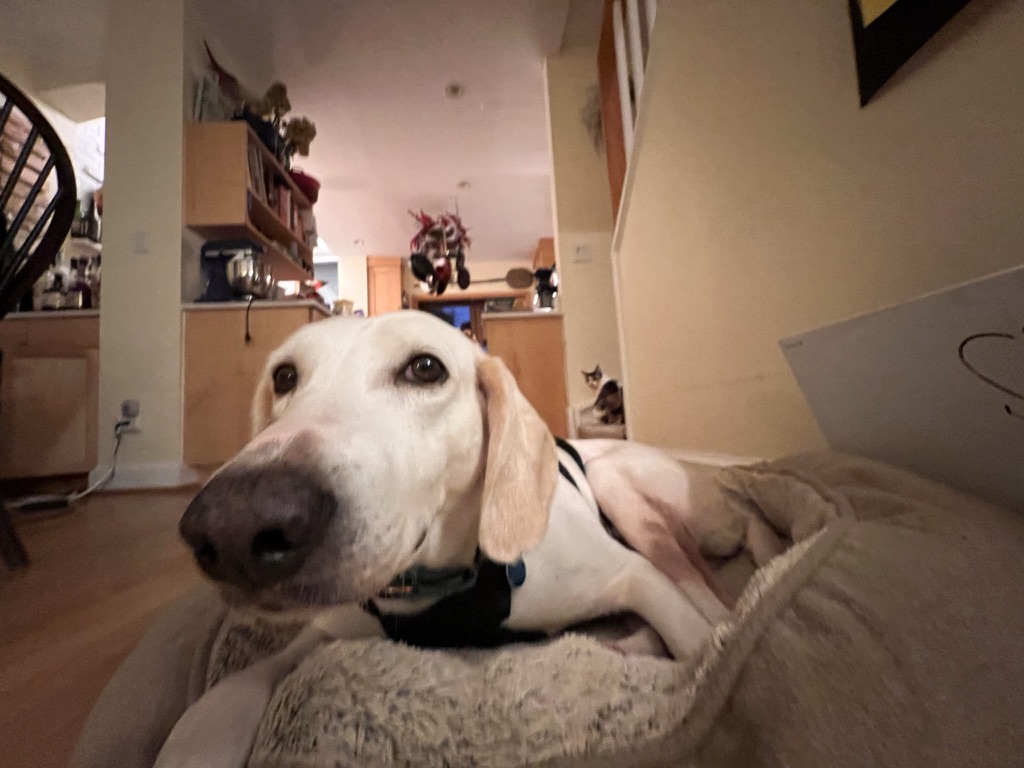
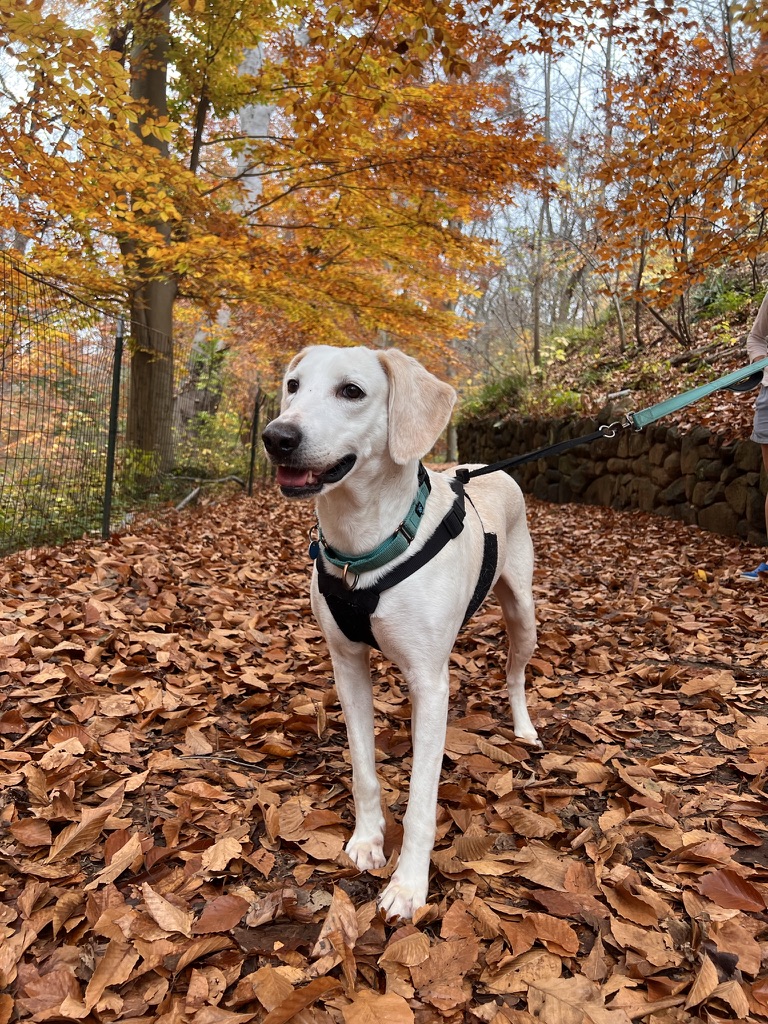
Meet Mel! She is GM’s newest foster pup. She is five years old and an absolutely lovely lab/hound mix.
She arrived to DC from a shelter in North Carolina a couple weeks ago. Like most foster pets who go through a rough transfer like that, she took a little time to come out of her shell a bit. But with every day she is more and more eager to get out there and meet new faces on the sidewalk.
When she’s not out on her walks, Mel is a snoozy miss! No hyperactive dog bouncing off the walls here. She’ll be a nice furry heartbeat at your feet all day. She’s fully housebroken and is even good with cats!
So if you’re looking to adopt an low maintenance sweetheart: she’s your gal! Just click here and submit an application!
Filed under Uncategorized

Good morning Georgetown, here’s the latest:
Filed under Uncategorized









 The Georgetown Metropolitan
You must be logged in to post a comment.