
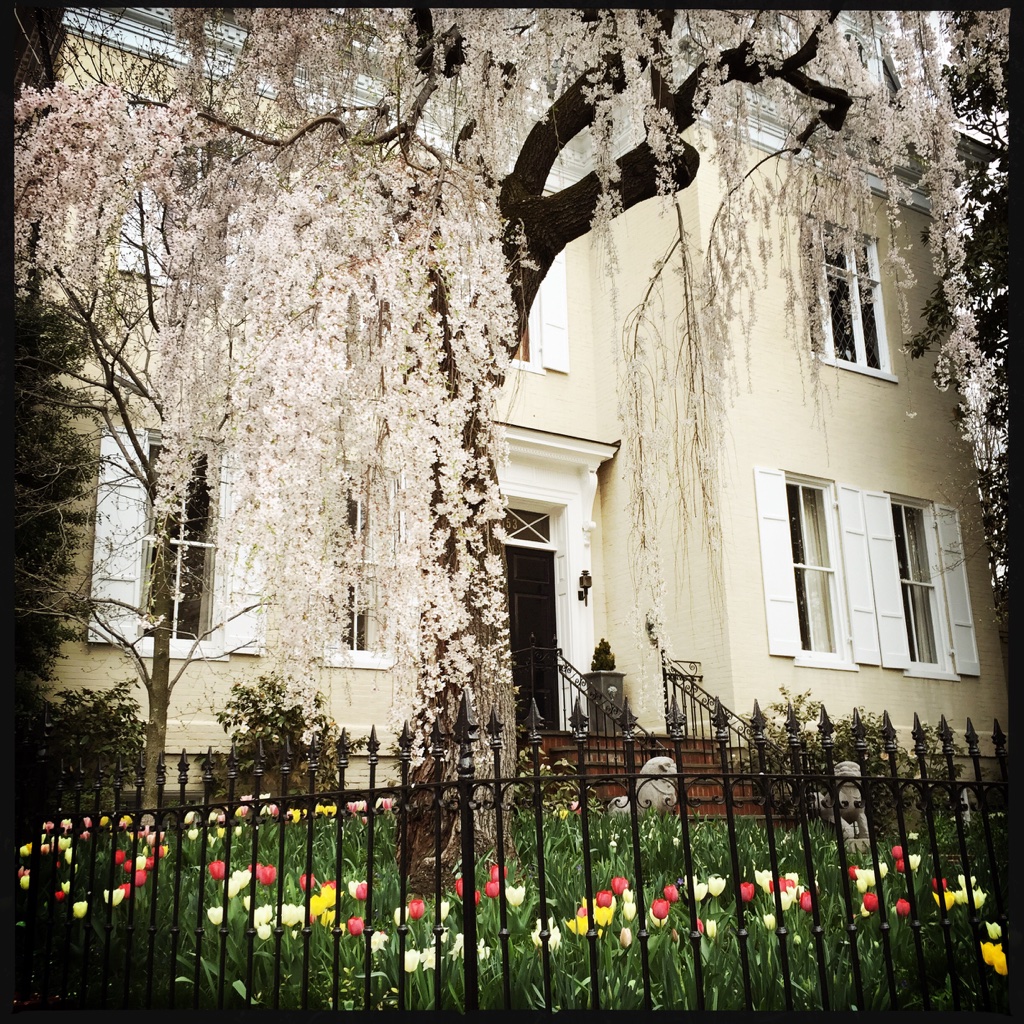
The cherry trees will hit peak bloom over the weekend. And there’s nothing quite like being surprised by a beautifully, fully blooming cherry on a walk or ride through the neighborhood. But some cherries are worth seeking out just to make sure you don’t miss them for the year! In my humble opinion, here are some of them. Add more in the comments!
31st and P:
The first cherry is seen above. It’s a huge weeping cherry (which tends to bloom slightly ahead of the rest). Set against the stately corner home, it’s a don’t miss!
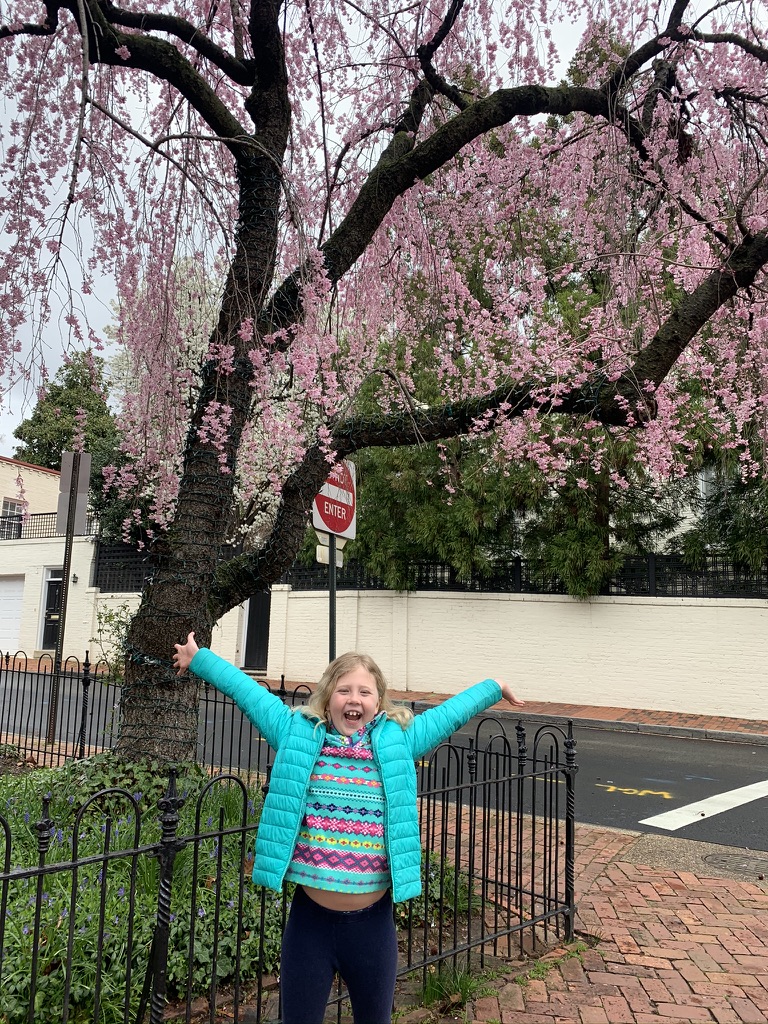
32nd and P:
Just down the block is another beautiful weeping cherry. It’s not quite as large but is just as stunning.
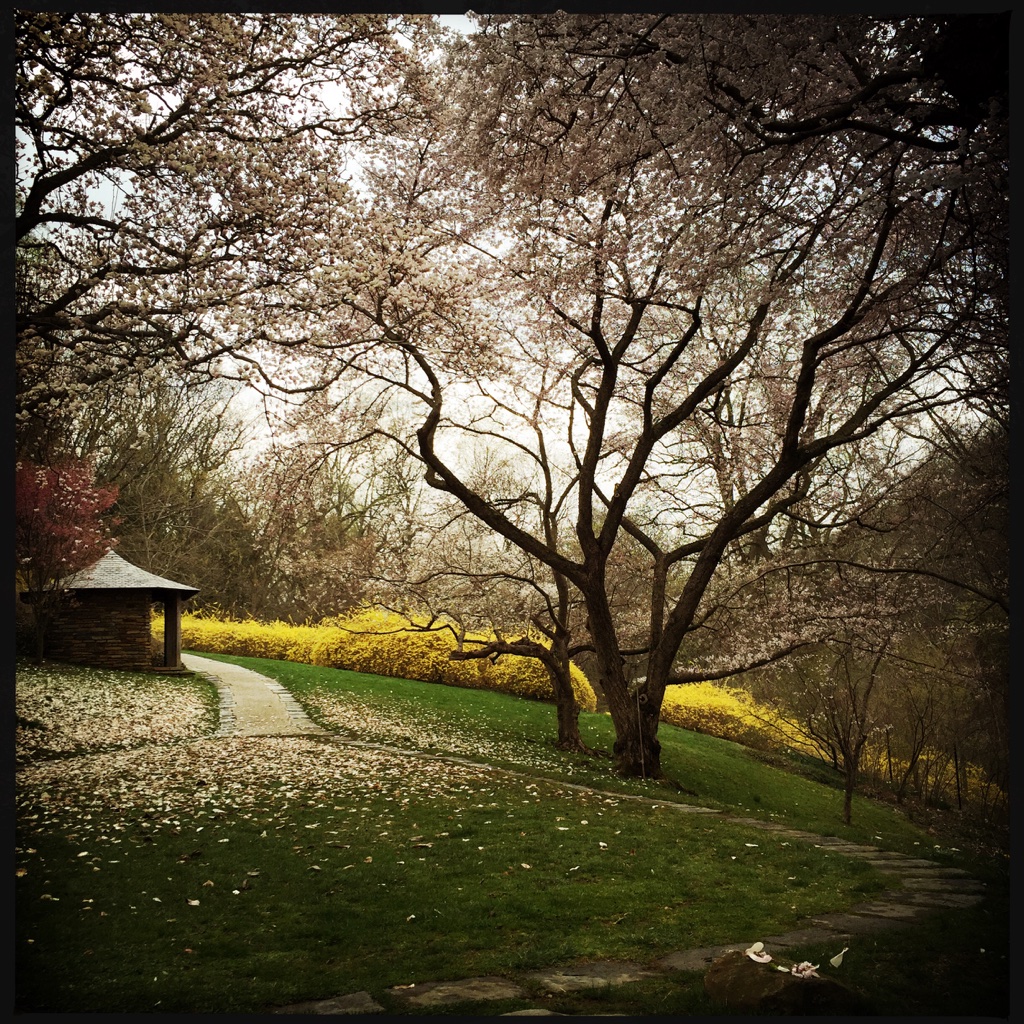
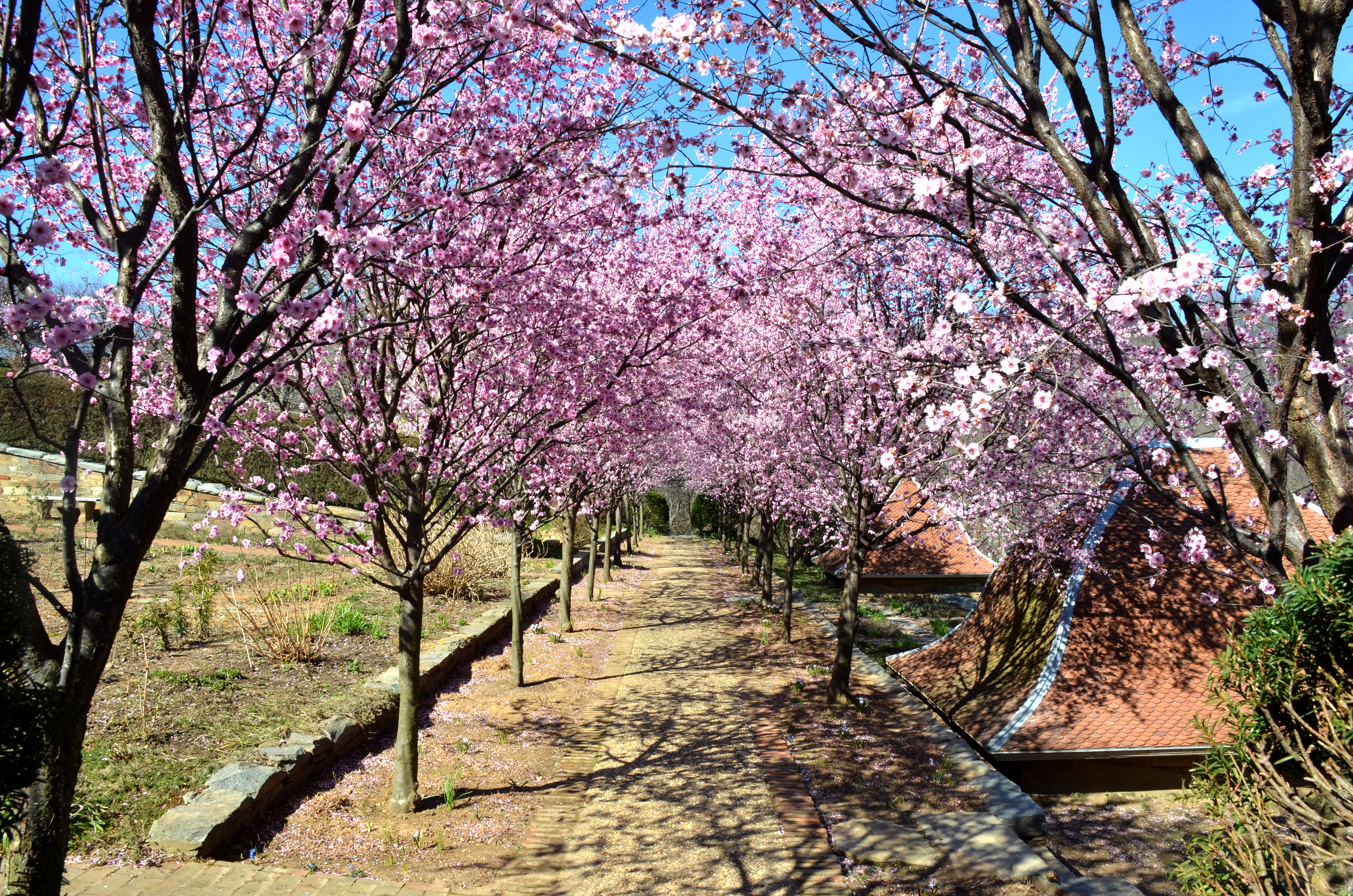
Dumbarton Oaks
No conversation about cherries can forget Dumbarton Oaks; although few would need reminding. The grove on the north end of the property is perhaps the best in the region (again, in my humble opinion).
Montrose Park
I don’t have a photo of it, but there is lovely weeping cherry on the west side of Montrose Park. With so few flowering trees in the park, it really stands out.
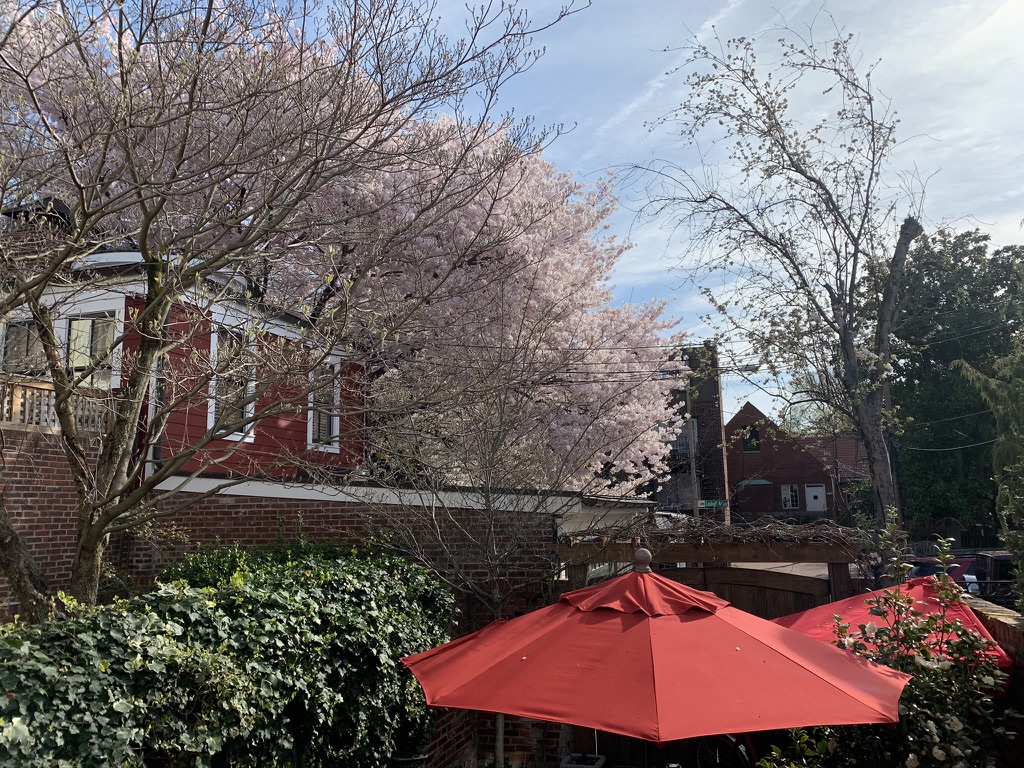
Cashell Alley
I’m a bit biased on this one, but there is a gigantic cherry tree along Cashell Alley behind my house. It’s worth checking out, particularly as the petals fall and create a snowfall of flowers.
Where are some cherries that you will go out of your way to take in?











 The Georgetown Metropolitan
You must be logged in to post a comment.