
Good morning Georgetown, here’s the latest:
- Two students running for ANC this fall.
- Speaking of GU, the campus goes to mask-optional today.
Good morning Georgetown, here’s the latest:
Filed under Uncategorized
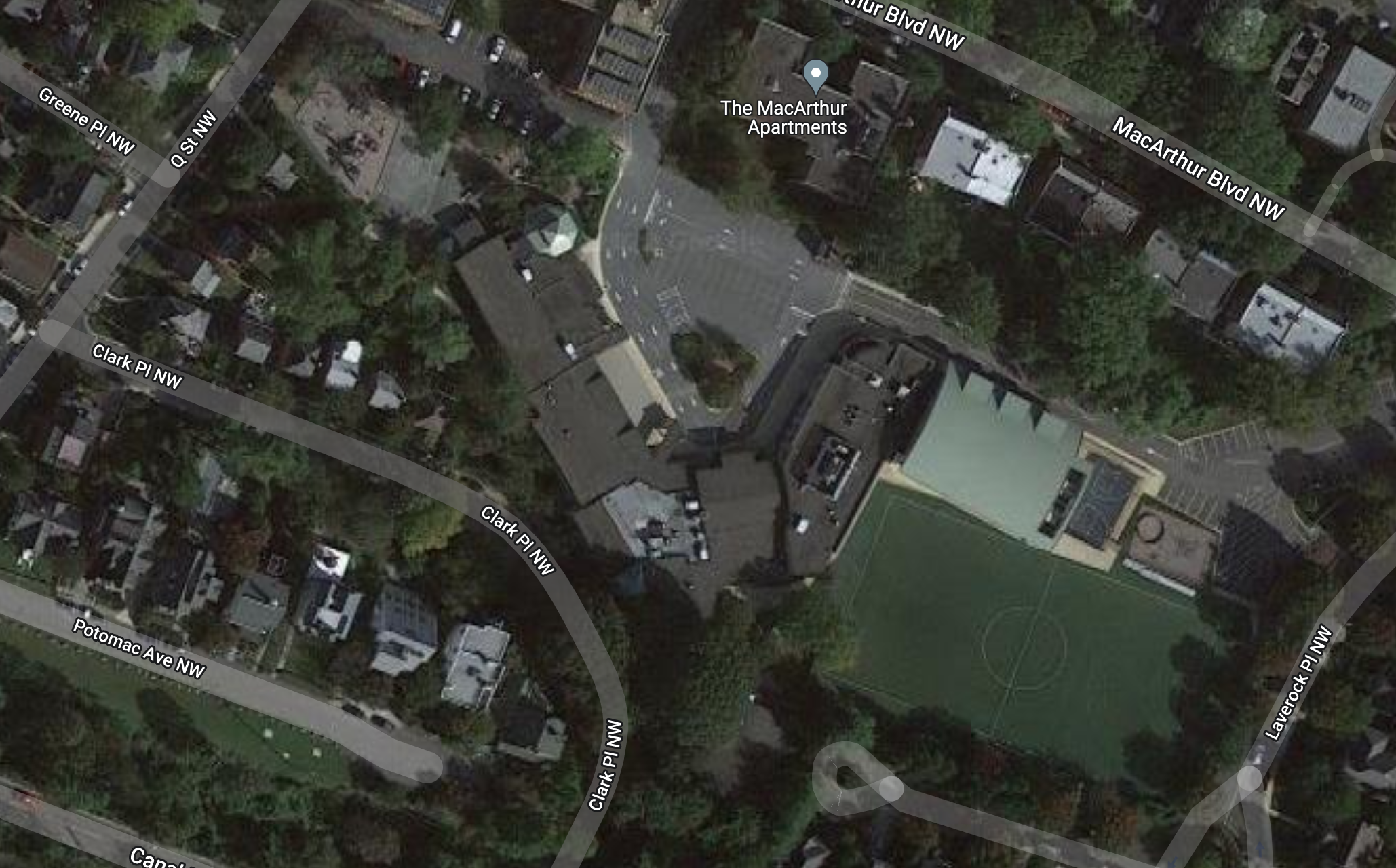
Yesterday, Mayor Muriel Bowser submitted her draft budget for 2023. In it was funding to move ahead with the proposal to build a new high school in Ward Three. If the project comes to fruition, it will be the in boundary high school for Georgetown students.
The location for the proposal is the former Georgetown Day School lower school on MacArthur Blvd, just west of Foxhall Rd. The private school consolidated its campuses together on Wisconsin Ave. in Tenleytown, so it put the MacArthur Blvd. property on the market. In 2020 the city stepped forward to buy it. Since then various proposals have floated for how to actually use the property. Last year, for instance, the idea of using it as a middle school while converting Hardy to a new high school was discussed.
Continue readingFiled under Uncategorized

Good morning Georgetown, here’s the latest:
Filed under Uncategorized

Stephen Starr’s planned Italian restaurant/market for the Georgetown Market building has been delayed as the restauranteur and the developer seek approval to take over the historic building. This is according to multiple sources familiar with the process. Despite the delay, however, the project does seem likely to proceed eventually.
The issue at the heart of the delay is one that GM has discussed many times before. As GM wrote in 2019 when he first reported the project:
The plans for the space were shown and described. As you can see from the floor plan above, the idea is that there would be a market/bakery/gelato/espresso area in the front of the building. And then the rest of the space would be taken up with space for the kitchen and seating areas for the restaurant. It would appear then that the market element of the plan would be rather small, one might say token. That’s notable since federal law actually requires the space to be used as a market.
In other words, in order to be approved as a tenant, the concept needs to satisfy the requirement that it actually be a market. The initial proposal apparently did not fully satisfy that. (GM reached out to Starr Restaurant Group and Jamestown Properties, which manages the property, but did not hear back.)
The DC government is required to sign off on the project, which it has not done yet. Additionally, the Citizens Association of Georgetown also needs to sign off on it. This is because CAG originally sued DC in the 1980’s to compel the city to actually enforce the market requirement (which itself is a product of a 1966 federal law). CAG’s suit came in response to the state of the market as it was run by Herb Miller’s Western Development since 1979. It alleged that Miller wasn’t operating the market as a true food market in the vein of Eastern Market but was instead hosting vendors selling snacks.
Continue readingFiled under Uncategorized

Good morning Georgetown, here’s the latest:
Filed under Uncategorized
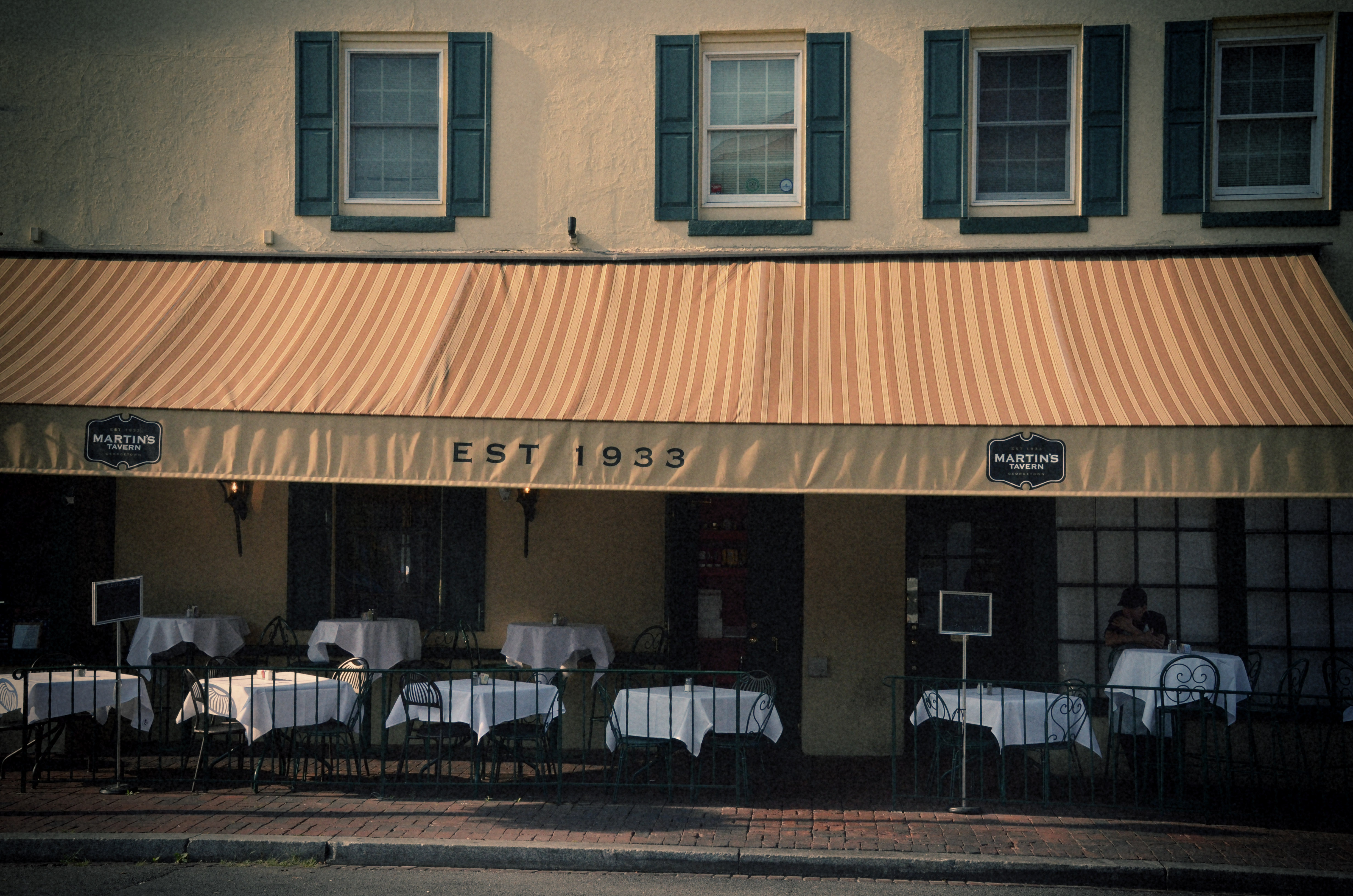
Two years ago, GM posted some advice how to celebrate St. Pat’s in the early days of the pandemic. Last year, his advice eased closer to his normal advice. And this year, GM can revert back fully to it. So without further ado, here is GM’s annual St. Pat’s article giving you a guide to enjoy the day around Georgetown:
As you may know, during the early 20th century, parts of Georgetown were heavily Irish. The center of it was on the west side, close to the Catholic landmarks of GU, Trinity and Visitation.
Continue readingFiled under Uncategorized

Good morning Georgetown, here’s the latest:
Filed under Uncategorized

ANC Commissioner Jenny Mitchell announced over the weekend that she will not seek reelection to her seat this fall. She wrote:
I would also like to let you know that due to work and family commitments I have made the decision to not run again for the ANC. It has been a great honor and privilege to serve on the ANC. We live in a wonderful community with many dedicated volunteers and professionals. I encourage everyone to consider running for ANC 2E02 or 2E03. If you need additional information about the ANC please contact me.
Continue readingFiled under Uncategorized









You must be logged in to post a comment.