
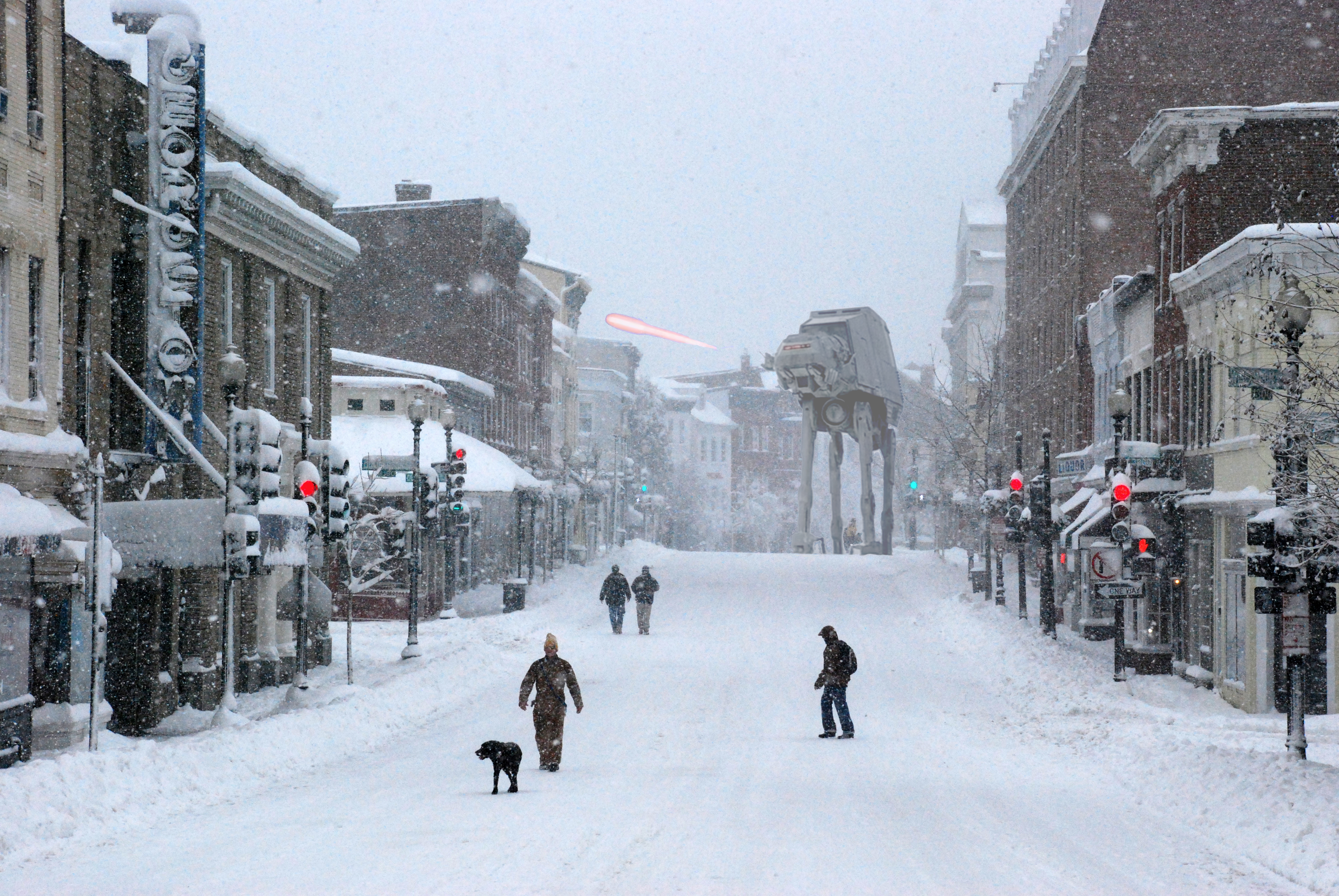
 Photo by Payton Chung.
Good morning Georgetown, here’s the latest:
- The Post finally reviews the Sovereign.
- Where to party for Cinco de Mayo.
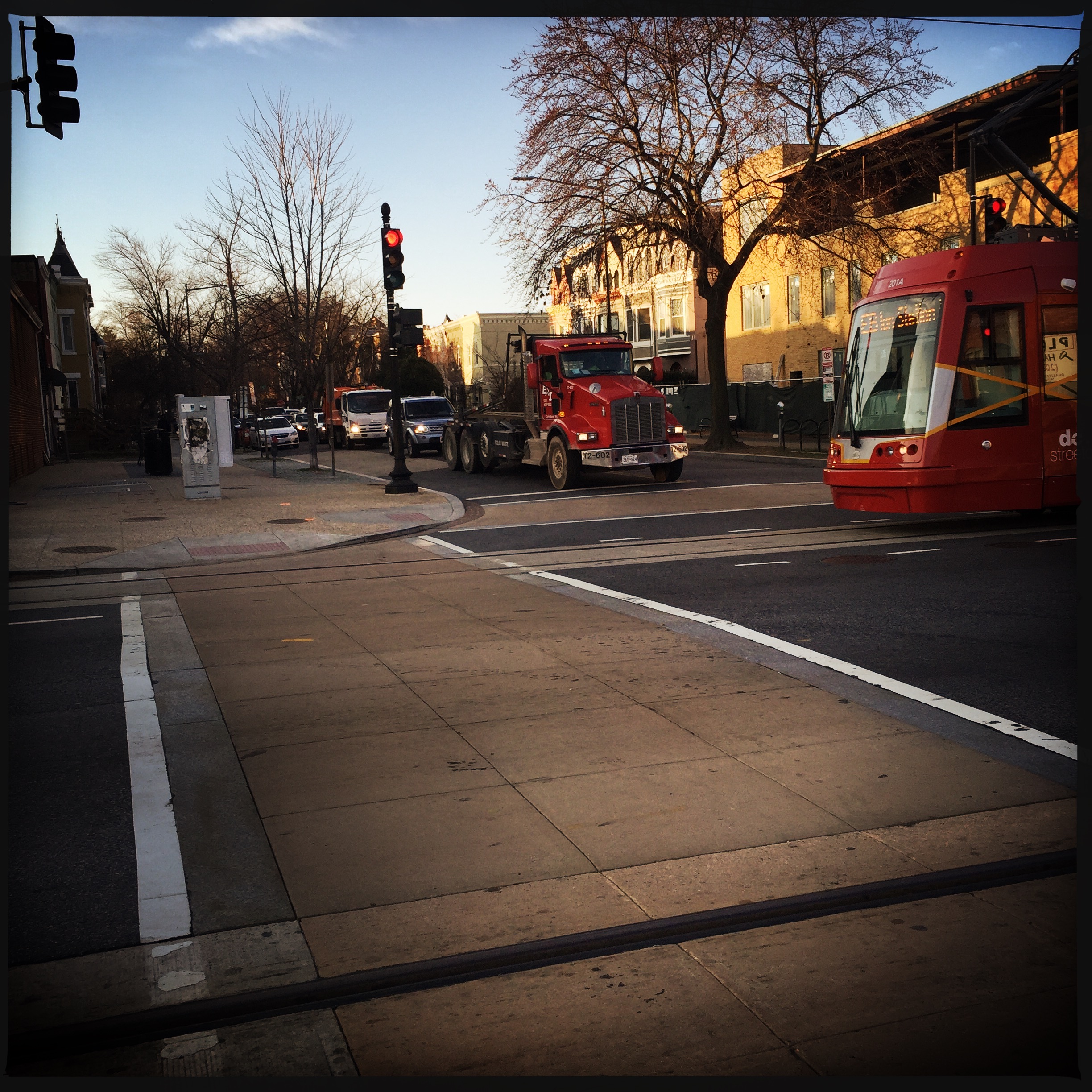
Photo by Payton Chung.
Good morning Georgetown, here’s the latest:
Filed under Uncategorized
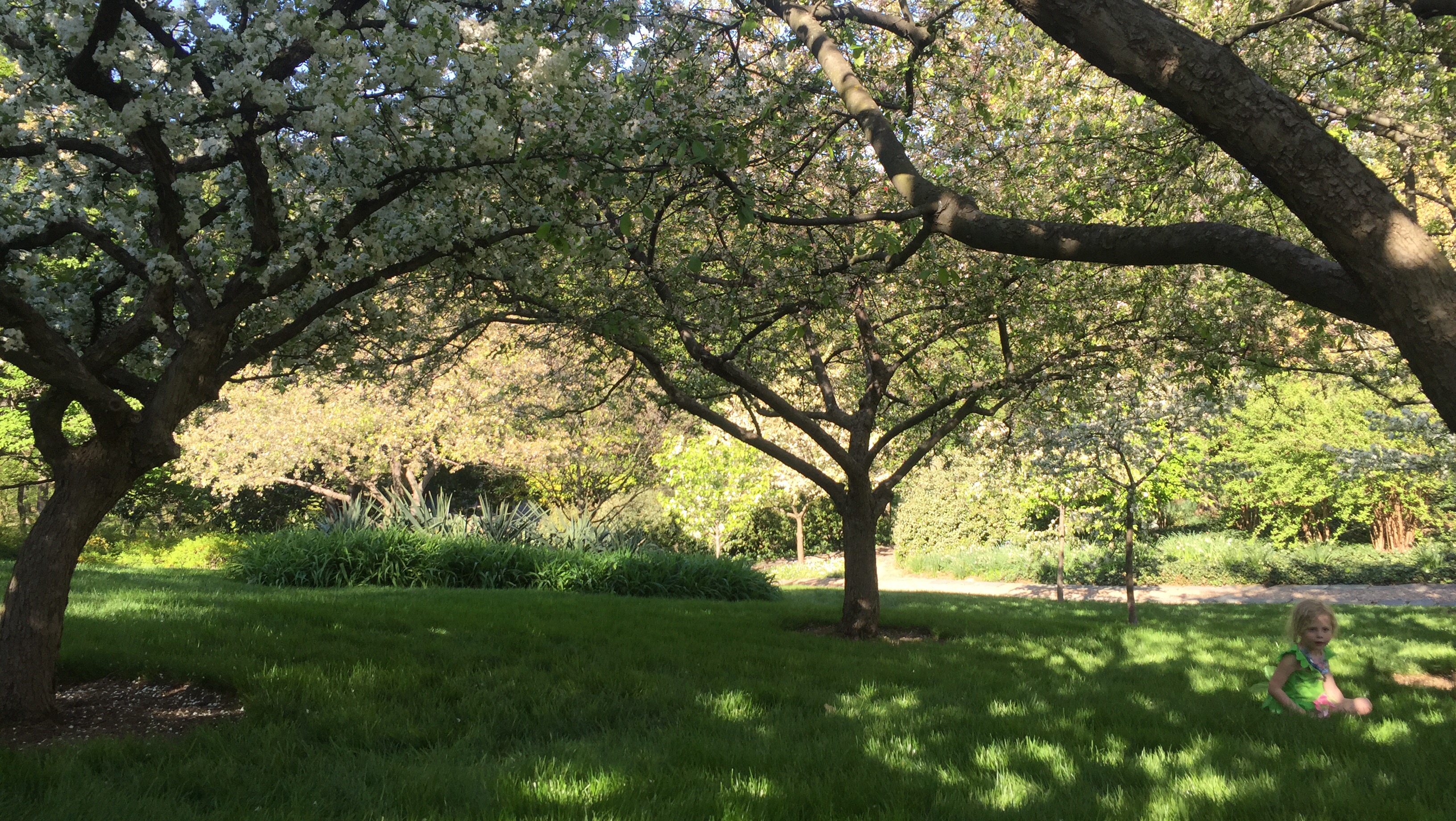
 Photo by Jgregor
It’s that time again, and GM will today provide (and slightly update) his annual Intern’s Guide to Georgetown:
As year-round Washingtonians know, it’s that time of year again. Eager young interns have arrived in earnest droves to fill those couple inches on their resumes between their GPAs and their “other interests”. Many of these interns will be drawn to live and/or play in Georgetown. GM publishes the below crash course for interns each year:
To Live:
There’s a movement to pay interns more, in order to allow a wider swath of the population to participate in career enhancing experiences. But that said, if you’re an intern you’re still probably living on little to no pay. Can you afford to live in Georgetown? Maybe. But you’ll have to look hard. You’re young, so you probably can’t even remember a time before Craigslist, so no need mention that. But there are other places to look too. The City Paper still has decent listings, but for the short term rentals that you’re probably looking for you may try off campus housing listings like you’ll find here. Good luck.
To Eat:
The Safeway should be on your weekly checklist. You can load up on groceries without going totally broke. For some variety, go to the Whole Foods up in Glover Park sometimes, or the Trader Joe’s in the West End. Or you could sign up for Car2Go and head out to Costco at Pentagon City to really make your dollar go far.
Or you could eat Chipotle every night. It’s up to you. (Although, really, GM wouldn’t recommend it.)
Restaurants in Georgetown get a bad wrap. But there are plenty of relatively cheap options for a weekly night out. Here are some of GM’s old reliable options:
When your parents come to visit and are paying the bill, make a reservation at Chez Billy Sud or, if you’re a traditionalist, 1789 (although that will be closed for a long stretch in July and August).
Continue reading
Filed under Uncategorized
Good morning Georgetown, here’s the latest:
Filed under Uncategorized
The ANC met last night for its May session. GM unfortunately had to leave before the real meat of the meeting, but here are the items he caught:
Crime:
An officer presented the monthly update on crime. The most noteworthy piece of news he presented was that several suspects have been arrested in the alarming robbery of the Georgetown Visitation students from several weeks ago. They are minors, aged 16 to 17, but the US Attorney is now considering whether to charge them as adults.
New Face Old Faces
The Commission gave out two ceremonial commendations to Leslie Maysak and Kendyl Clausen. Leslie is stepping down from her position as the executive director of the ANC. Kendyl, a graduating GU student, is moving to New Haven to attend Yale Law School.
The new face is Peter Sacco, who is taking over Leslie’s position as executive director. Apparently Peter is an ANC member himself and serves as an executive director for several other ANCs. Guy loves ANCs! Continue reading
Filed under Uncategorized
 Photo by Alan Kotok.
Good morning Georgetown, here’s the latest:
Filed under Uncategorized
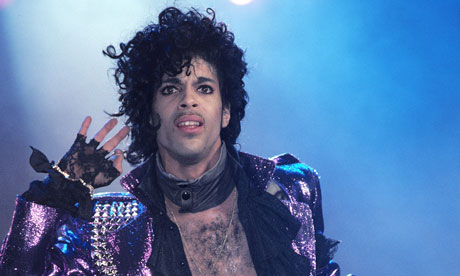
In the reminisces shared after the passing of Prince, GM happened to notice this funny story about the time Prince caused a shut down of Georgetown, just so he could get a haircut. It’s told by Alan Leeds, Prince’s tour manager during the 80s:
I think the third city we played was D.C., and coincidentally we were staying in the Watergate Hotel of all places. He decided that he needed to get his hair done. And what he would do is have his personal hair stylist find a salon in whatever city we were in and rent out the salon. And when I say “rent out,” I mean basically close it down. Nobody else was in there. We’d ask the proprietors and the other stylists to leave the building, secure it and even put up newspapers on the windows if you had to and then privately do Prince’s hair in this facility. And we’d pay them whatever it took to make them willing to do this. Sometimes it was just an autograph and a couple free tickets because the guys would love to say Prince was there. So I guess his stylist found a hair salon in Georgetown; I didn’t go with him. I was just in the hotel minding my own business doing whatever. And the next thing I knew there’s breaking news on the local TV channel that there was everything short of a street riot in Georgetown: They had closed down Wisconsin Avenue because somebody had spotted Prince getting out of a car and going into this building that housed the salon and basically had shut down Wisconsin Avenue. People had come out of the stores, fans had heard about it on radio and got in their cars and drove there or walked there or whatever. That was the point where I said, “OK, this is out of hand.”
Filed under Uncategorized
 Photo by Alan Kotok.
Good morning Georgetown, here’s the latest:
Filed under Uncategorized









 The Georgetown Metropolitan
You must be logged in to post a comment.