
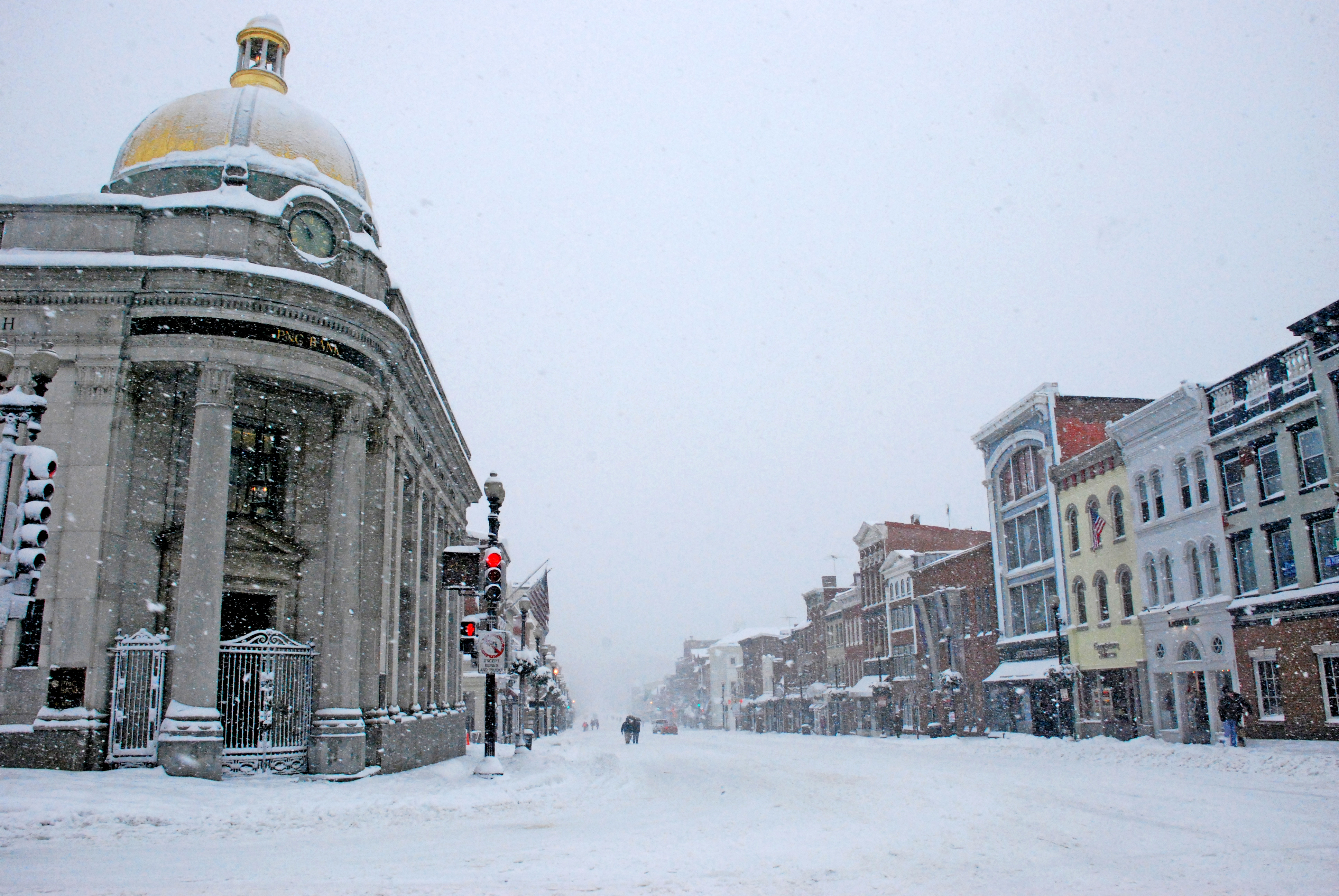
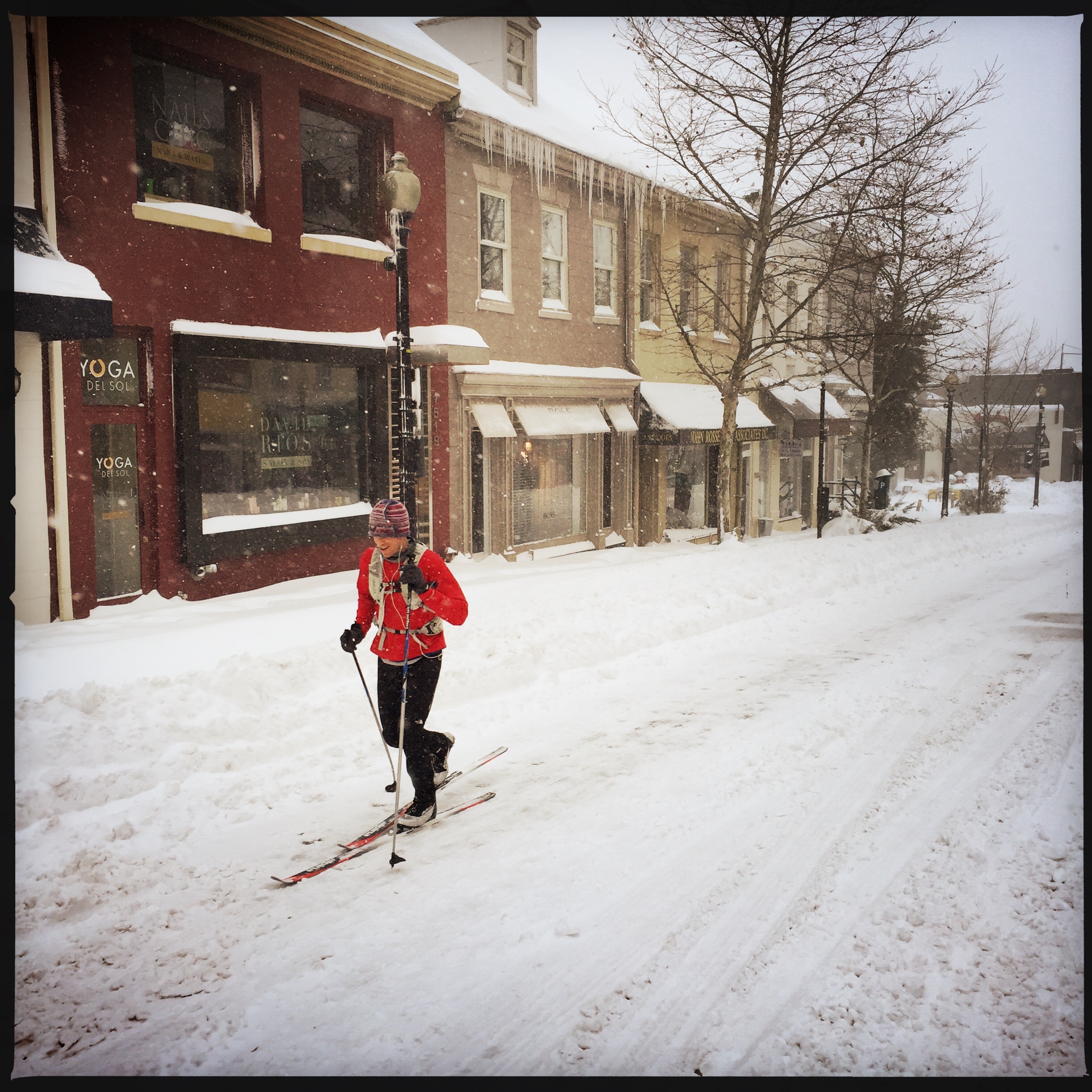
3200 block of M St.

A small working group formed by DC Public Schools to address overcrowding at Wilson High School is considering among its options to convert Hardy Middle School into a new high school.
This process, described to the community over the weekend by ANC commissioner Kishan Putta, is still very early and could result in a very different final product. But here are some of the ideas on the table:
The city is contemplating purchasing Georgetown Day School’s lower campus on MacArthur Blvd, which the private school no longer needs. If that deal happens, then one option would be for this campus to be converted into a new high school middle school [ed: there is some talk about adding a high school here, but the DCPS materials only discuss adding a middle school]. This is needed because Wilson High School is overcrowded. A new high school could take all the kids from Hardy, who currently feed up to Wilson.
Under that scenario, Hardy would remain as is. Continue reading
Filed under Uncategorized
 Photo by Vincent.
Good morning Georgetown, here’s the latest:
Filed under Uncategorized
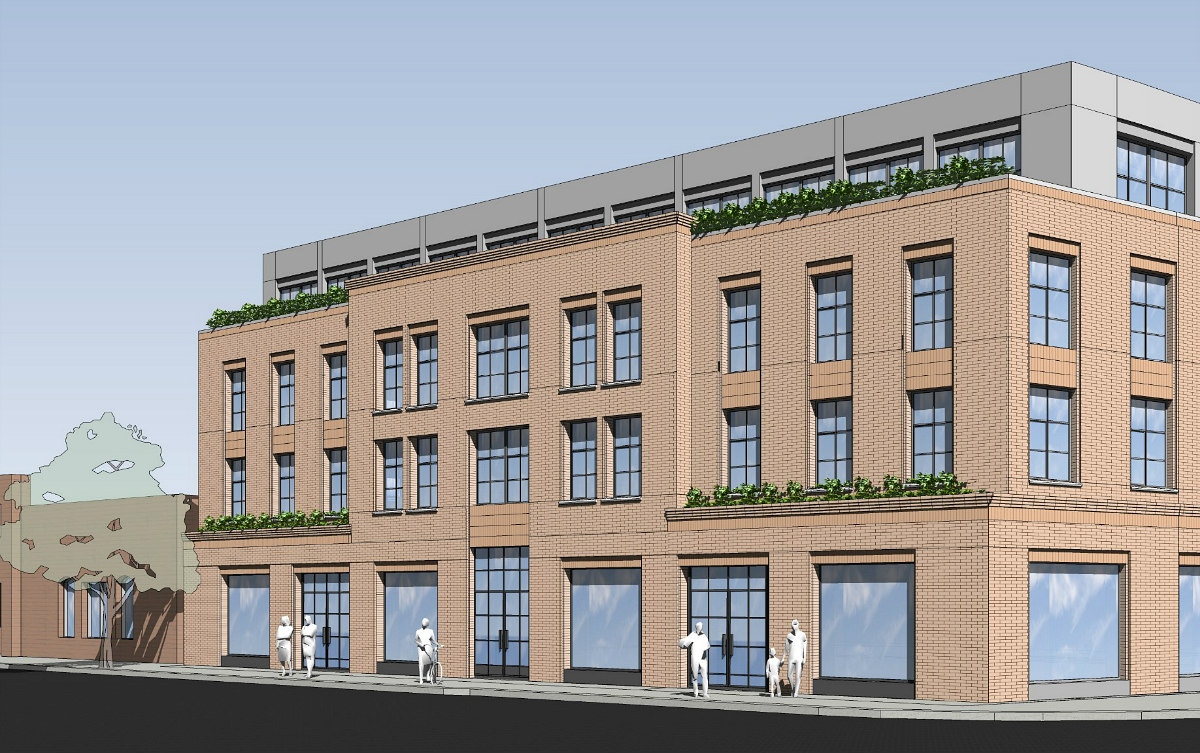
DC Urban Turf reported this week that a new apartment building is being proposed for the corner of 1805 Wisconsin Ave., just north of S St. The new building would occupy the lot currently occupied by the Sherwin Williams paint shop, the vacant space next door, and the adjacent parking lot.
DC Urban Turf reported that the proposed building would have 35,000 square feet of residential space (no word on how many apartments that would consist of). It would also have 10,000 square feet of retail space on the first floor.
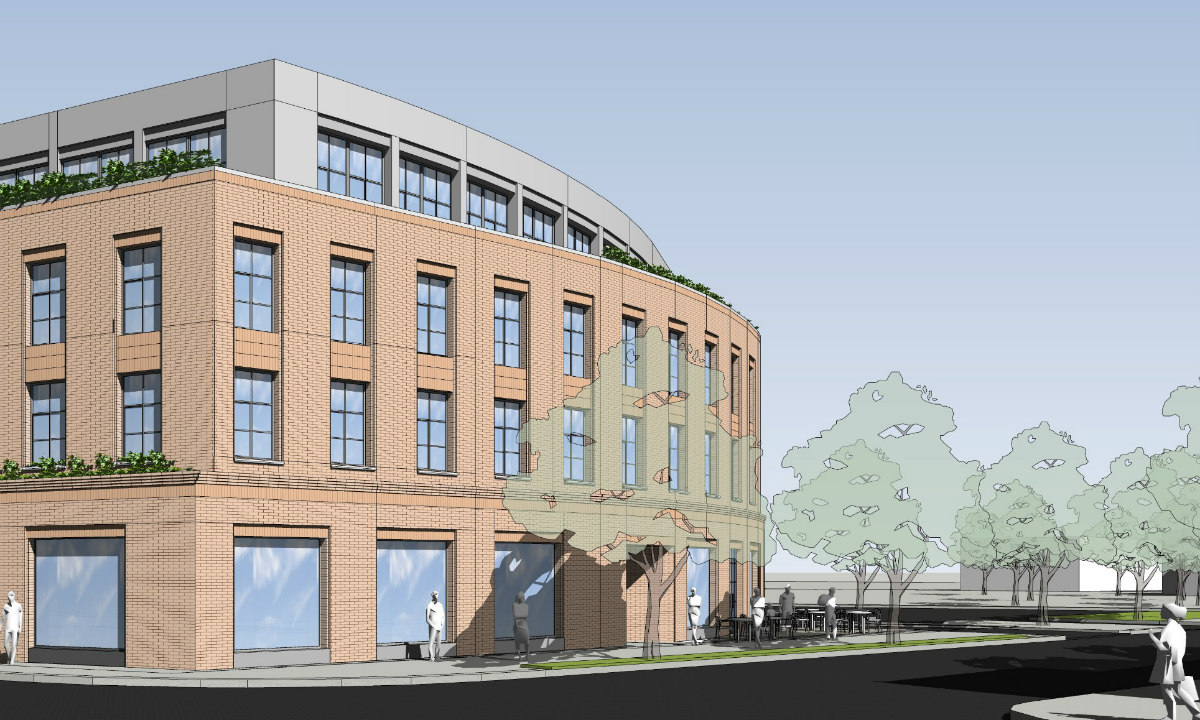
As GM has written about previously, this stretch of Wisconsin Ave. trails most other parts of Wisconsin in terms of economic activity, with storefronts remaining vacant for years. Adding more residents will inject much needed demand, which will hopefully encourage more stores and restaurants to take over those vacant spaces. Moreover, there is a housing crisis in DC. It’s easy to scoff at the idea that adding (likely) expensive housing in Georgetown will help address that, but that’s misguided. Every unit added in Georgetown relieves pressure on the housing markets in other neighborhoods, which relieves pressure on yet another set of neighborhoods, and onward from there. Continue reading
Filed under Uncategorized
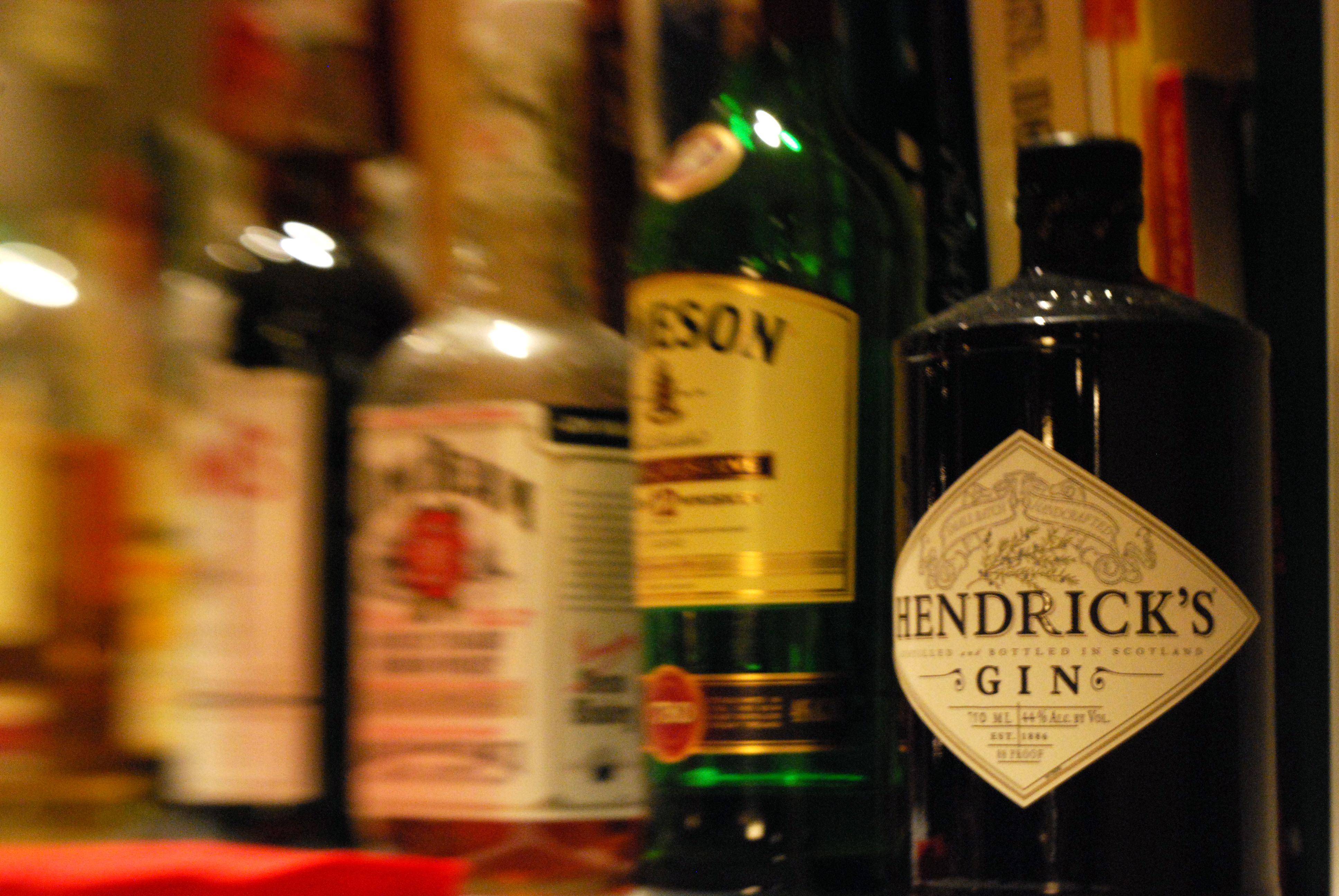
Mayor Muriel Bowser has issued a wide ranging proposal to revamp the city’s liquor laws, including the removal of a long standing cap on tavern licenses in Georgetown.
The proposal, sent to the Council in January, covers a broad array of topics. Most notably it would allow for open containers in certain newly licensed “lifestyle centers”, which would likely include the Wharf and Washington Harbour. But for Georgetown, the biggest impact would be the removal of the tavern cap.
A tavern license and a restaurant license are similar in many ways, but different in one significant feature. That feature is the requirement to sell food. Restaurant liquor licenses in DC require an establishment to receive at least 45 percent of its revenues from the sale of food. This requirement exists to ensure that restaurants really are what they say they are. So you can’t get a restaurant license and then turn around and just run a bar. This obviously limits what a licensee can do with it, and it also adds a burden of record-keeping and compliance.
Taverns, on the other hand, have no food requirements. So you can just have a bar when you have a tavern license. This can obviously lead to a very different type of operation! And it was a proliferation back in the 1980’s of these types of bars in Georgetown, and the rowdy behavior associated with them, that led the city to adopt a cap on tavern (and nightclub) licenses in 1994. No more such licenses could be issued or transferred into Georgetown until the total for the whole neighborhood dropped below six. At the time, there were more than six, but the number steadily decreased over the years as licenses were cancelled. (This created a huge demand for those existing licenses, which could be held on to even after a bar was closed.) Continue reading
Filed under Uncategorized
 Photo by Vincent.
Good morning Georgetown, here’s the latest:
Filed under Uncategorized
 Photo by noware.
There are few cities in America that are quite as different as Santa Fe is from Georgetown. The New Mexico city is full of adobe structures in the style of those built by the Pueblo people for centuries, and Georgetown is full of brick homes mostly built in various Victorian styles. But there is a common thread woven in both communities, and it’s one that has had unforeseen consequences in each: historical preservation. GM was alerted to this connection by a fascinating recent podcast by 99% Invisible: Stuccoed in Time.
GM has discussed the history of preservation in Georgetown often, but in short: the neighborhood experienced an economic decline in the late 19th century into the 20th, which left the neighborhood somewhat frozen in time, architecturally speaking. With the rise of interest in early colonial design and architecture in the 1930s (particularly with the restoration of Williamsburg, Virginia) coupled with the arrival of a great number of New Dealers attracted to Georgetown’s old homes and convenience to downtown, a movement to preserve Georgetown began. This movement culminated in 1951 with the adoption of the Old Georgetown Act, which has governed how the neighborhood has developed ever since. Continue reading
Filed under Uncategorized









 The Georgetown Metropolitan
You must be logged in to post a comment.