Former ANC Commissioner Wages Fight Against Bus Shelters

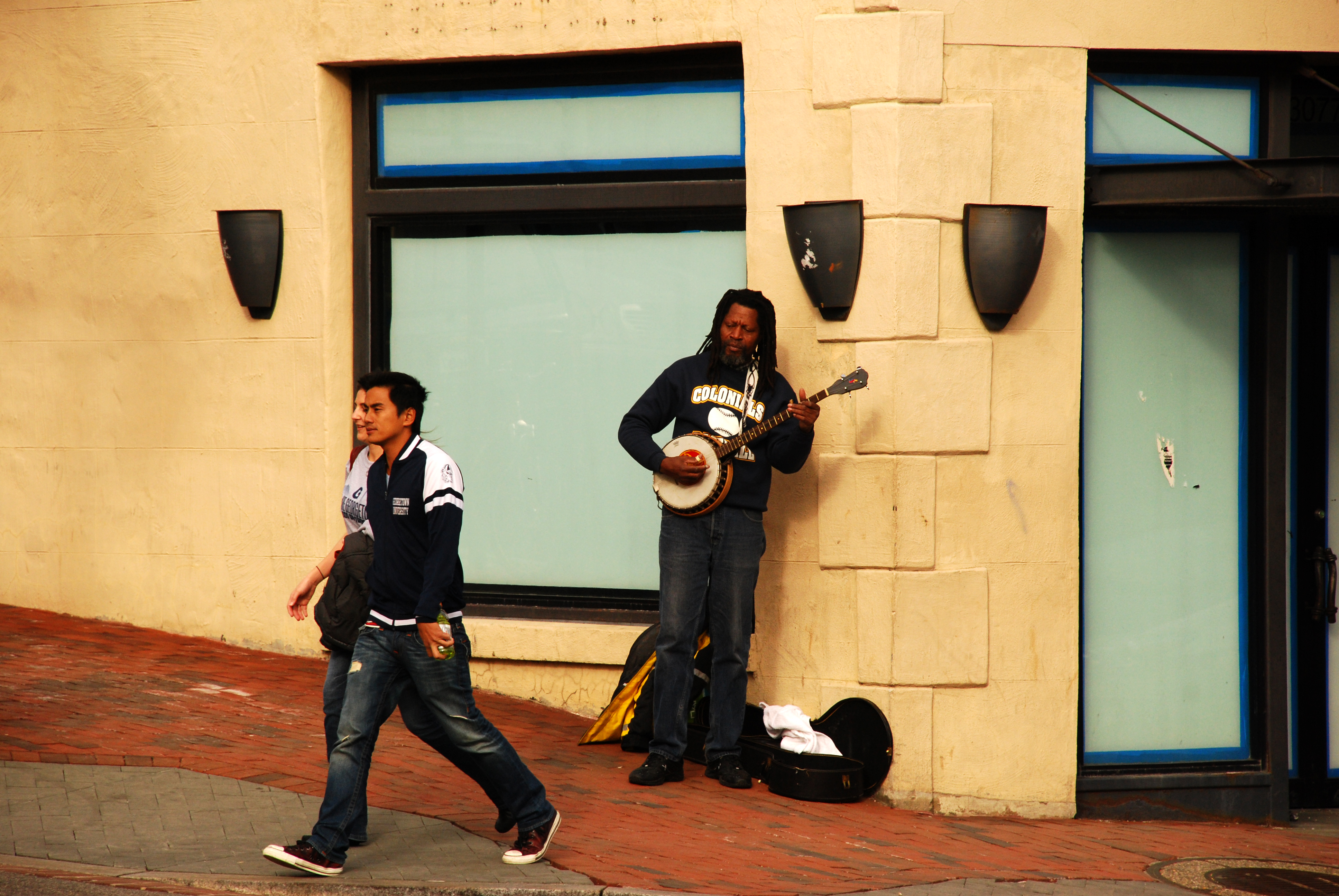
Photo by M.V. Jantzen.

A former ANC commissioner is attempting to wage a war against the installation of a bus shelter in Georgetown. Grace Bateman, who served as Chair of the commission in the early 90s, is attempting to thwart the installation of a new bus shelter on 35th St., across from Dent Place. The stop–a popular stop for the students at the overwhelmingly African-American Duke Ellington High School a block away–serves three bus lines, including the D1, D2, and the D6. (Bateman has argued that the bus shelter at 35th St. and Reservoir should be enough, but that ignores the fact that the D6 doesn’t stop there). This is an wrongheaded campaign which sadly demonstrates the perverse arguments people too often make through the prism of historic preservation.

First alerted to the construction of the stop in February, Bateman wrote the ANC to object, claiming that when she was on the commission she obtained a promise from the city not to construct any bus shelters in Georgetown. This, she claimed, was because they “cause visual blight and impair accessibility on our already narrow sidewalks.” She warned darkly that allowing Metro one bus shelter could lead to many others throughout Georgetown. Continue reading
9 Comments

Filed under Uncategorized

The Georgetown Metropolis

1800 block of Wisconsin Ave.

1 Comment

Filed under Uncategorized

The Morning Metropolitan

Photo by Mike Maguire.

Good morning Georgetown, here’s the latest:

Leave a comment

Filed under Uncategorized

The Georgetown Metropolis

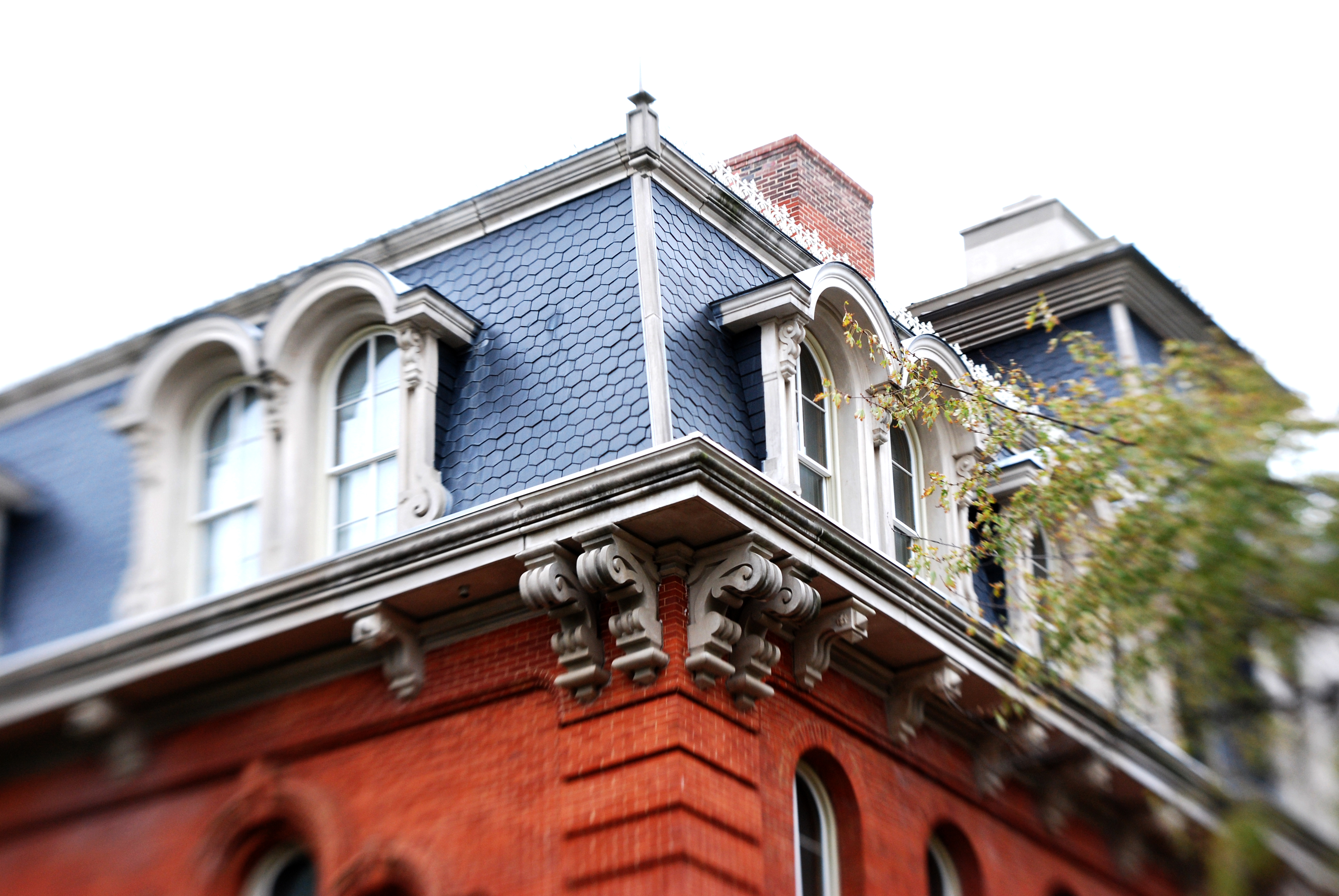
1200 block of 31st St.

Leave a comment

Filed under Uncategorized

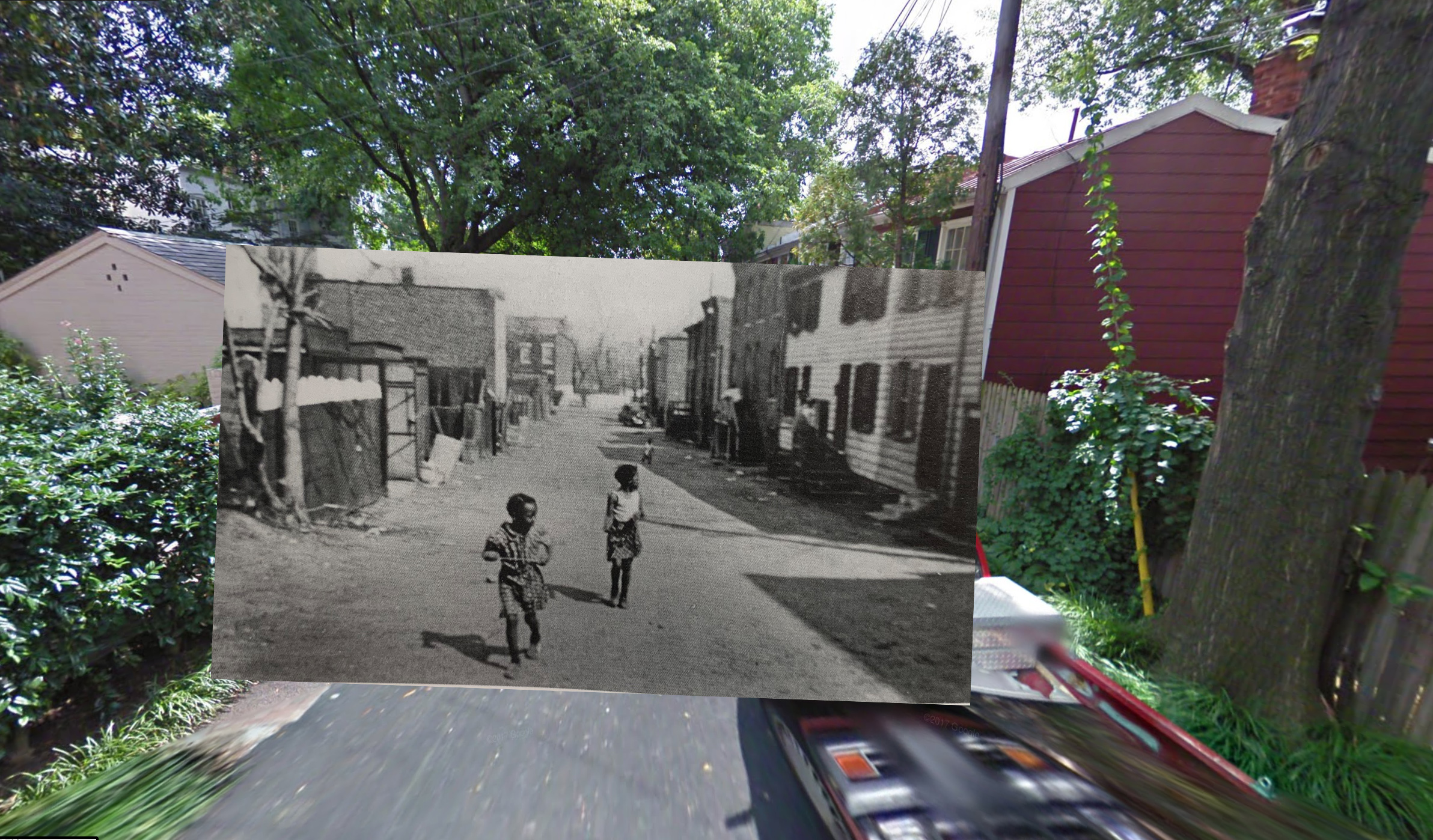
Now and a Long Time Ago: Poplar Alley

GM’s bringing back an old series this week. It’s Now and a Long Time Ago. And he’s visiting what is now called Poplar St. It’s a tiny, one block street that was once called Poplar Alley, and it was at the center of Georgetown’s historic African American population.

The old photo, courtesy of the DC Public Library, is from the 1920s. At this time, Poplar Alley was one of many alleys lined with small houses around Georgetown (and most of them are still around).

Alleys and alley dwellings were hardly idyllic, and were often filled with scenes of poverty. But they were home to many. Around the time of the photo, Poplar Alley housed thirty-two Black Georgetown residents in eleven homes.

The poverty of alley dwellings inspired the Alley Dwelling Act, a New Deal effort that targeted alley housing across the District. This ostensibly well-meaning act created the Alley Dwelling Authority, which scoured the city’s alleys to identify unsuitable housing. If a house was determined to be unlivable, it would be condemned and the residents ordered to leave. The building owner would be mandated to improve and modernize the home, and provided funding to do so. Once the homes were improved, the former tenants theoretically could move back in, but they often encountered much higher rents to do so.

It was, in effect, one of the first manifestations of gentrification in DC. And it had predictable impacts on the resident population. African Americans continued to live in large numbers in Georgetown for decades after this action, but the numbers began to decrease. And this decrease picked up speed as the gentrification moved from the alleys to the streets.

Now Poplar Alley is Poplar Street. And while the homes are just as small as they were back then, they sell for as high as a million dollars. What a world.

Leave a comment

Filed under Uncategorized

The Morning Metropolitan

Photo by Mike Maguire.

Good morning Georgetown, here’s the latest:

Leave a comment

Filed under Uncategorized

The Georgetown Metropolis

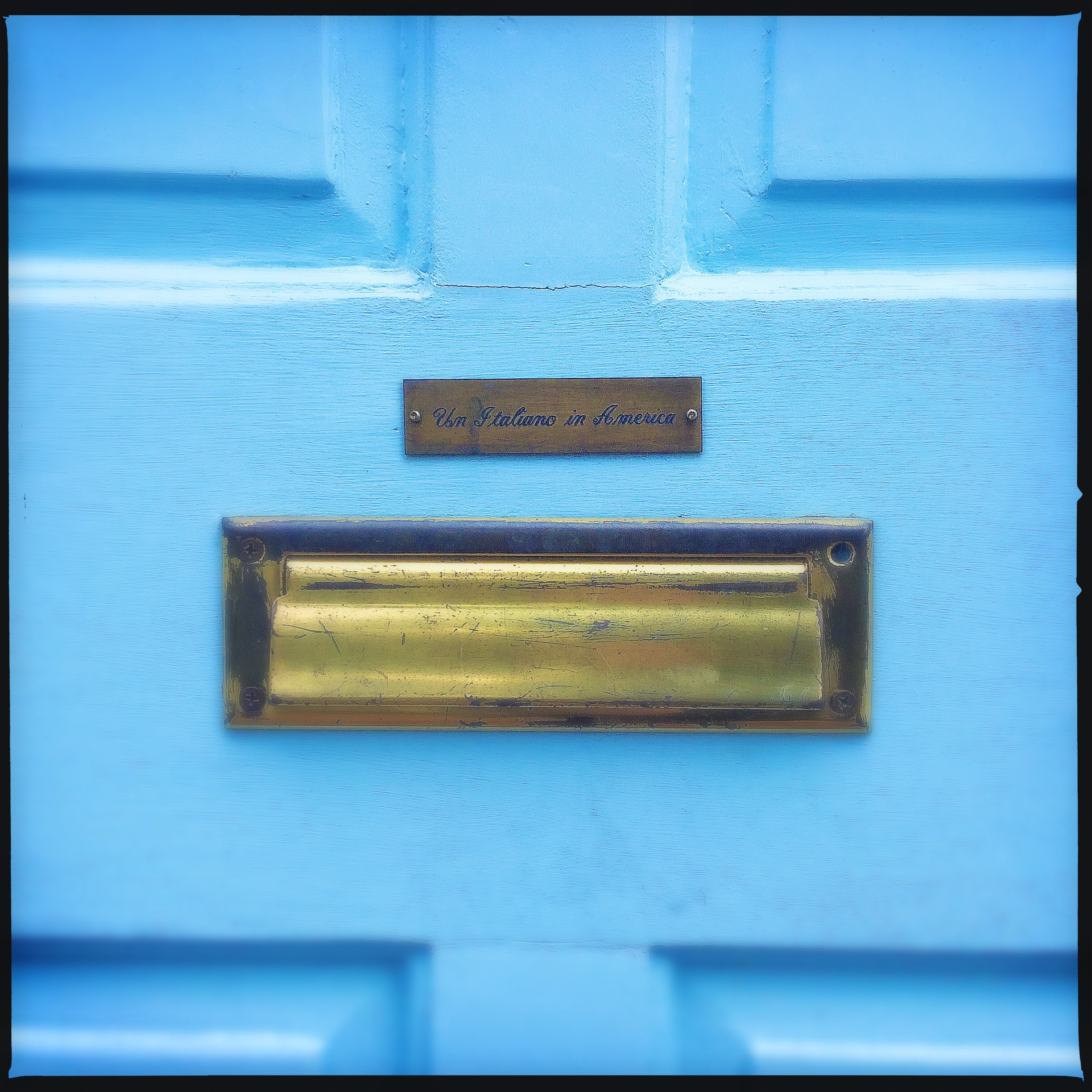
(Honestly GM can’t remember where this photo is from. He vaguely remembers it being northwest of Volta Park, but that’s it. Anyone recognize the door?)

4 Comments

Filed under Uncategorized

Georgetown Visitation Wrestles with its Own History of Owning Enslaved People

As well documented, Georgetown University is wrestling with its history of owning enslaved people, and the sad choice it made in 1838 to sell 272 of them to stave off financial ruin. But less prominent is the similar process taking place next door to the university at Georgetown Visitation, which has its own history of owning enslaved people.

Formed in 1799, it was not unusual for Georgetown Visitation to own enslaved people. Slavery was common in Georgetown. But like Georgetown College next door, Visitation made several strategic sales of the humans they owned. For instance, in 1821 Visitation was given four enslaved people, including a pregnant woman and two children. Viewing the gift as more of a financial burden than a boon, the sisters in charge of the school sold the enslaved people (which included the newly born infant of the pregnant woman).

This sale was transacted in the wake of the construction of the school’s Chapel of the Sacred Heart. And the financial burden of the construction certainly contributed to the decision. Continue reading

Leave a comment

Filed under Uncategorized

The Morning Metropolitan

Photo by Bill Starrels.

Good morning Georgetown, here’s the latest:

Leave a comment

Filed under Uncategorized

The Georgetown Metropolis

Montrose Park

Leave a comment

Filed under Uncategorized